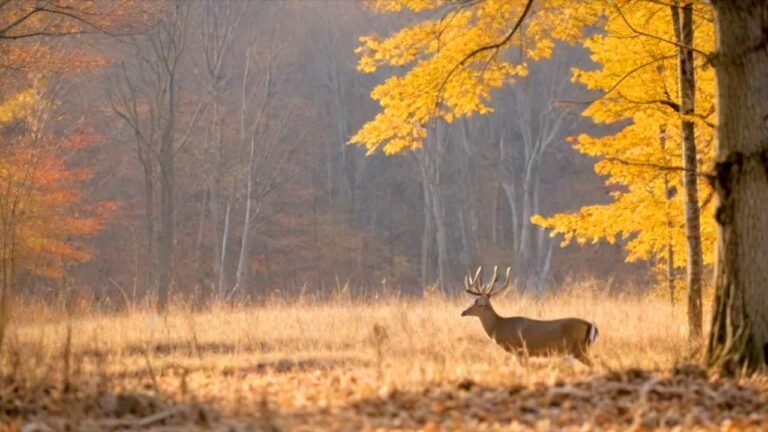

Rhode Island 2026-2027 Hunting Essentials – Regulations & Key Dates
If you want one page that makes the Ocean State’s 2026–2027 game calendar easier to digest, this is it. Below, you’ll find the key dates, major species, tag details, youth opportunities, waterfowl splits, and public-access basics, plus a breakdown of how the four deer management zones work. We’ve also added one handy internal resource for broader trip planning: hunting seasons by state.
Rhode Island may be small on the map, but its rules can get surprisingly detailed once you factor in mainland zones, island-only deer dates, stocked bird opportunities, and separate coastal duck and goose windows. The good news? The 2026–2027 guide is clearer than past editions, and a few updates stand out right away: Zones 1 and 2 now share the same archery deer dates, muzzleloader runs longer, shotgun dates on the mainland have been extended, the old private-land antlerless-only add-on during firearms dates is gone, fox dates were shortened, and there’s now an Active Military and Veterans waterfowl opportunity in November. In other words, if you learned the state’s calendar a couple of years ago and assumed nothing changed, well… this is the year to re-check your notes.
Ocean State hunt overview for 2026–2027
For most folks, deer remains the headline draw, especially with long archery windows and the unique island structure. Turkey is still a favorite spring tradition, upland fans get a long pheasant and quail run, and coastal marsh hunters have a solid mix of ducks, geese, brant, and youth waterfowl days. One of the most beginner-friendly things about this state is that a lot of the action is date-driven rather than huge-unit-driven, but that also means you need to pay close attention to whether you’re on Zones 1 and 2, Patience/Prudence, or Block Island.
Quick-look: key species, dates, and methods
| Species | Open dates | Main methods | Quick note |
|---|---|---|---|
| Deer, Zones 1 & 2 Archery | Sept. 15, 2026 – Jan. 31, 2027 | Bow, crossbow | Youth-only opener Sept. 12–13 |
| Deer, Zones 1 & 2 Muzzleloader | Nov. 7 – Dec. 4, 2026 | Muzzleloader | Youth-only Oct. 31–Nov. 1 |
| Deer, Zones 1 & 2 Shotgun | Dec. 5 – Dec. 31, 2026 | Shotgun | Mainland firearms dates now aligned |
| Deer, Zone 3 | Oct. 19, 2026 – Jan. 31, 2027 | Archery | Youth Oct. 17–18; disabled Oct. 13–16 |
| Deer, Zone 4 | Oct. 15–30 select days; Nov.–Feb. select days | Archery, muzzleloader, shotgun | Block Island uses scattered date blocks |
| Spring Turkey | Apr. 29 – May 23, 2027 | Shotgun, archery, crossbow | 2 bearded birds overall |
| Fall Turkey | Oct. 1 – Oct. 31, 2026 | Archery, crossbow | 1 bird, either sex |
| Pheasant | Oct. 17, 2026 – Feb. 28, 2027 | Shotgun, legal small-game arms | Youth pheasant Oct. 10–12 |
| Bobwhite Quail | Oct. 17, 2026 – Feb. 28, 2027 | Shotgun, legal small-game arms | Often paired with pheasant planning |
| Cottontail Rabbit | Oct. 1, 2026 – Feb. 28, 2027 | Shotgun, rimfire where legal, air rifle | Good late-fall option |
| Gray/Red Squirrel | Sept. 12, 2026 – Feb. 28, 2027 | Shotgun, rimfire, air rifle | Early starter for new hunters |
| Mourning Dove | Sept. 1–30 and Oct. 17–Dec. 15, 2026 | Shotgun | HIP needed |
| Woodcock | Oct. 17 – Nov. 30, 2026 | Shotgun | Great crossover bird |
| Ducks/Mergansers/Coots | Oct. 9–12, Nov. 25–29, 2026; Dec. 5, 2026 – Jan. 24, 2027 | Shotgun | Coastal split dates matter |
| Canada Goose | Sept. 1–30, 2026; Nov. 21–29, 2026; Dec. 5, 2026 – Jan. 24, 2027; Jan. 30–Feb. 13, 2027 | Shotgun | Separate early, regular, and late windows |
All big game: archery & firearms
Here’s the straightforward version: Rhode Island’s big-game story is really about deer. There are no general open dates listed for bear, moose, or elk, and there is no standard statewide rifle deer opener like you’d see farther west. Firearms dates here revolve around shotgun and muzzleloader, with special island structures layered on top.
| Area / method | 2026–2027 dates | Permit / tag notes | What beginners should know |
|---|---|---|---|
| Zones 1 & 2 Archery | Sept. 15, 2026 – Jan. 31, 2027 | Deer permit required; each harvested deer needs its own permit | Both mainland zones now share the same archery run |
| Zones 1 & 2 Youth Archery | Sept. 12–13, 2026 | Youth rules apply | Great low-pressure opener |
| Zones 1 & 2 Muzzleloader | Nov. 7 – Dec. 4, 2026 | Deer permit required | Longer than in prior years |
| Zones 1 & 2 Youth Muzzleloader | Oct. 31 – Nov. 1, 2026 | Youth rules apply | Nice bridge before main firearms dates |
| Zones 1 & 2 Shotgun | Dec. 5 – Dec. 31, 2026 | Deer permit required | Same mainland closing date now |
| Zone 3 Archery | Oct. 19, 2026 – Jan. 31, 2027 | Deer permit required | Patience and Prudence Islands only |
| Zone 3 Youth Archery | Oct. 17–18, 2026 | Youth rules apply | Separate island youth window |
| Zone 3 Disabled Hunt | Oct. 13–16, 2026 | Special eligibility rules apply | Island-specific special opportunity |
| Zone 4 Archery | Oct. 15, 16, 19–23, 26–30, 2026 | Deer permit required | Block Island runs on select dates only |
| Zone 4 All Methods | Nov. 2–6, 9, 10, 12, 13, 16, 17, 19, 20, 23, 24, 30; Dec. 1, 3, 4, 7–11, 14, 15, 17, 18, 21, 22, 2026; Jan. 4–8, 11–15, 19–22, 25–29, 2027; Feb. 1–5, 8–12, 2027 | Usually tightly controlled and highly date-specific | Not a “show up whenever” island trip |
Tag basics
- Every harvested deer requires an individual deer permit.
- Written landowner permission is important for private-land deer pursuits.
- Archery proficiency rules apply for certain island opportunities.
- Fluorescent orange matters: 200 square inches is the common small-game standard on state lands, while 500 square inches is required during shotgun deer dates.
A little real-world advice here: Block Island looks dreamy in theory, but its scattered schedule can trip up even experienced hunters. If you’re ferry-booking without checking the exact date block, you’re basically planning by vibes. Don’t do that.
Turkey dates: spring, fall, youth
Turkey rules are refreshingly simple once you split them into fall and spring.
- Fall archery: Oct. 1–31, 2026
- Youth turkey: Apr. 19–25, 2027
- Paraplegic turkey: Apr. 24–25, 2027
- Spring turkey: Apr. 29–May 23, 2027
- Spring limit: 2 bearded birds overall
- State-land cap: no more than 1 bird may be taken on state lands during spring
- Tag rule: each bird harvested requires its own permit
- Methods: crossbows are legal for turkey during both spring and fall dates
For a first-timer, spring gobbler days are probably the easiest entry point. The weather is better, the pressure feels more focused, and you’re usually dealing with one species, one permit plan, and one clean objective.
Furbearer dates
- Coyote on state land: Sept. 15, 2026 – Feb. 28, 2027, and again during the open spring turkey window
- Coyote on private land: no closed date range
- Red/gray fox: Nov. 7 – Dec. 31, 2026
- Raccoon: Oct. 1, 2026 – Feb. 28, 2027
- General trapping run for many furbearers: Nov. 1, 2026 – Jan. 31, 2027
- Coyote note: electronic calls are allowed, and on private land from Apr. 1 to Sept. 30, centerfire rifles up to .229 caliber may be used under the rule cited in the state guide
That fox cutback is one of the more noticeable changes this cycle. If fox was part of your late-winter routine, adjust now rather than finding out in January.
Upland birds dates
| Bird | Dates | Daily limit | Notes |
|---|---|---|---|
| Youth Pheasant | Oct. 10–12, 2026 | 2 | Good intro weekend/holiday stretch |
| Pheasant | Oct. 17, 2026 – Feb. 28, 2027 | 2 | Game Bird Permit needed |
| Bobwhite Quail | Oct. 17, 2026 – Feb. 28, 2027 | 3 | Often paired with pheasant outings |
| Woodcock | Oct. 17 – Nov. 30, 2026 | Check migratory-bird rules | HIP applies |
| Ruffed Grouse | Closed | — | No open dates listed |
Upland animals dates
| Species | Dates | Daily limit | Notes |
|---|---|---|---|
| Cottontail Rabbit | Oct. 1, 2026 – Feb. 28, 2027 | 3 | Classic late-fall and snow-season option |
| Gray/Red Squirrel | Sept. 12, 2026 – Feb. 28, 2027 | 5 total, singly or in aggregate | One of the earliest small-game openers |
| Woodchuck on state land | Oct. 17, 2026 – Feb. 28, 2027 | Check guide | Tied to upland opener dates |
| Woodchuck on private land | No closed date range | Check local rules | Useful off-season practice option |
Other small game dates
| Species | Dates | Permit note | Good to know |
|---|---|---|---|
| Mourning Dove | Sept. 1–30 and Oct. 17–Dec. 15, 2026 | HIP required | Nice early-autumn action |
| Crow | Aug. 14–Oct. 4, 2026 (Fri–Sun only); Oct. 17–Dec. 7, 2026; Dec. 18, 2026 – Apr. 3, 2027 (Fri–Sun only) | No HIP required for crow | This one is easy to misread |
| Snipe | Sept. 1–Nov. 9, 2026 | HIP required | Often overlooked |
| King/Clapper Rail and Sora/Virginia Rail | Sept. 1–Nov. 9, 2026 | HIP required | Marsh-focused opportunity |
| Quail | Oct. 17, 2026 – Feb. 28, 2027 | Game Bird Permit | Same opener as pheasant |
Migratory birds
Migratory-bird planning in this state is less about giant flyway travel and more about remembering the paperwork. If you’re going after dove, woodcock, rails, snipe, ducks, or geese, you’ll need a HIP permit. Crow is the main exception in this group, since crow hunters are not required to carry HIP certification.
The dove split starts early, which makes it one of the first genuine bird opportunities of the fall. Woodcock, meanwhile, lines up nicely with pheasant and rabbit plans if you like mixed-bag-style weekends. Rails and snipe are quieter niche options, but they’re legit and worth knowing if you enjoy marsh country.
Ducks, scaup, mergansers & geese
| Waterfowl category | Dates | Daily bag highlight | Notes |
|---|---|---|---|
| Youth Waterfowl | Oct. 24–25, 2026 | Same as regular framework | Ages 12–17 with licensed adult |
| Active Military & Veterans Waterfowl | Nov. 10–11, 2026 | State framework applies | Newer special opportunity |
| Ducks | Oct. 9–12, Nov. 25–29, 2026; Dec. 5, 2026 – Jan. 24, 2027 | 6 | Species sub-limits apply |
| Scaup | Same splits as ducks | 1 through Jan. 5, then 2 Jan. 6–24 | Part of duck total |
| Sea Ducks | Same as ducks | 4 | Species caps inside that total |
| Mergansers | Same as ducks | 5 | Coastal classic |
| Coots | Same as ducks | 15 | Runs with duck dates |
| Canada Goose Early | Sept. 1–30, 2026 | 15 | Longer hours in Sept. |
| Canada Goose Regular | Nov. 21–29, 2026; Dec. 5, 2026 – Jan. 24, 2027 | 2 | South Shore permits/reservations may apply |
| Canada Goose Late | Jan. 30 – Feb. 13, 2027 | 5 | Limited geographic area |
| Brant | Dec. 26, 2026 – Jan. 24, 2027 | 1 | Coastal specialty |
| Snow Goose | Oct. 14, 2026 – Jan. 24, 2027 | 25 | No possession limit |
Other waterfowl notes
- Harlequin duck: closed
- Swans: no open dates listed
- South Shore Management Area goose fields: special permits and field reservations may be required
- State duck credential: a state waterfowl stamp is part of the planning checklist, along with the federal duck stamp for eligible hunters
More game dates worth noting
- Crow has three separate blocks, and only two of them are weekend-only; that’s a classic place where people accidentally remember half the rule.
- Coyote is effectively a year-round conversation if you have private access, but state land follows a defined fall/winter window plus the open spring turkey period.
- Trapping remains a separate lane with its own species-level rules, generally starting Nov. 1 and running through Jan. 31 for many furbearers.
- No bear, moose, or elk opener is listed in the state guide, so don’t waste time searching for a non-existent tag draw.
Game units & public access
Rhode Island uses four deer management zones:
- Zone 1: mainland
- Zone 2: mainland
- Zone 3: Patience and Prudence Islands
- Zone 4: Block Island
For boots-on-the-ground planning, the smartest move is to use the official Hunting/Management Area Atlas before you ever leave the driveway. It’s especially useful for checking management areas, island-specific access, and whether your backup spot is actually a backup spot or just a place you vaguely remember from a buddy’s story in 2019.
A regular hunting license generally covers access to many state management areas, but deer, turkey, and waterfowl on state land can come with extra permit requirements. That’s a big deal in a compact state where public parcels are valuable and pressure can stack up fast.
License details for 2026–2027
| License / permit | Fee |
|---|---|
| Resident Hunting License | $24.00 |
| Resident Combination License | $43.00 |
| Resident Junior Hunting License (12–14) | $16.00 |
| Permanent Resident Combination License (65+ or disabled) | No fee |
| Resident Trapping License | $20.00 |
| Non-Resident Hunting License | $68.00 |
| Non-Resident Tourist Hunting License (3-day) | $23.00 |
| Non-Resident Junior Hunting License (12–14) | $40.00 |
| Non-Resident Trapping License | $75.00 |
| Active Military Personnel Hunting License | $20.00 |
| Resident Deer Permit | $14.50 |
| Non-Resident Deer Permit | $28.50 |
| Resident Turkey Permit | $9.50 |
| Non-Resident Turkey Permit | $24.00 |
| RI Game Bird Permit | $19.00 |
| State Waterfowl Stamp | $9.50 |
| Resident All Outdoors Deer Package Permit | $84.00 |
License year: March 1 through the last day of February.
Short FAQ
Do I need a separate tag for every deer or turkey?
Yes. Each harvested deer and each harvested turkey requires an individual permit.
Can I just buy a basic license and head onto public ground?
Often, yes for many management areas, but deer, turkey, and waterfowl on state lands can require additional permits. Always check before the trip.
Does Rhode Island have a general rifle deer opener?
No general statewide rifle deer opener is listed. Deer firearms dates here are built around shotgun and muzzleloader.
Is fluorescent orange required?
Yes. A 200-square-inch minimum is common on state lands during small-game dates, and 500 square inches is required during shotgun deer dates.
Do I need HIP for dove and ducks?
Yes. HIP is required for migratory birds such as dove, woodcock, rails, snipe, ducks, and geese. Crow is the notable exception.
Final take
The biggest edge in this state usually comes from getting the little details right. If you’re chasing deer, match your plan to the correct zone first, not the species first. If you’re eyeing Block Island, build around the exact open-date clusters instead of assuming a continuous run. If geese are on your list, remember South Shore field reservations can matter just as much as weather. And if you’re splitting time between upland cover and coastal marshes, keep your permits straight—Game Bird for stocked birds, HIP for migratory species, deer/turkey tags one animal at a time. That kind of detail work may not be glamorous, but in a small state with tight access and very specific rules, it’s the difference between a smooth opener and a long drive home with nothing but coffee and excuses.