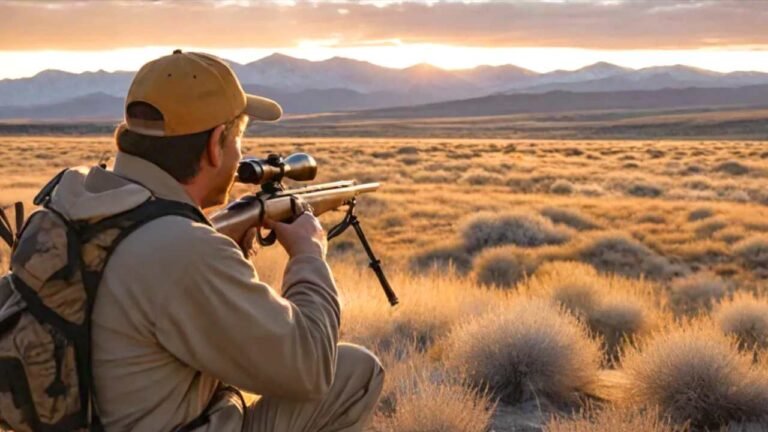
🏹 Alaska’s 2026-2027 Hunting Calendar: Big Game Seasons, Units & Regulations
If you’re planning a trip into the Last Frontier this year, this guide pulls together the stuff that actually matters: verified 2026–2027 dates, top species, permit notes, waterfowl zones, license costs, and where to find the right Game Management Unit map before you ever lace up your boots. We’ve kept it beginner-friendly, because let’s be honest, Alaska’s rulebook can feel like a graduate course the first time you open it.
Alaska Hunting Season Overview 2026-2027
The big headline for this regulatory year is simple: dates are highly GMU-specific, not one-size-fits-all. The official rulebook is effective July 1, 2026, through June 30, 2027, and the state publishes migratory bird rules in a separate annual booklet. That means deer, moose, sheep, bears, upland birds, and ducks may all run on different calendars depending on where you are standing. Also important: emergency orders can override printed dates, so never rely on a screenshot from last year or a buddy’s memory from camp. For the official source, start with the ADF&G 2026–2027 hunting regulations.
A quick reality check for newcomers: most fall openers begin in August or September, waterfowl moves fast once cold weather bites, and many big-game opportunities depend on harvest tickets, registration permits, or drawing permits rather than a simple over-the-counter setup. It’s exciting, yes—but it also rewards people who read the fine print.
Quick Summary: Key Species, Dates & Methods
Note: For big game, these are the main recurring official date windows that appear in the regulations. Final legality depends on your exact GMU, subunit, method, and permit type.
| Species | Verified 2026–2027 open window(s) | Common method / access |
|---|---|---|
| Sitka black-tailed deer | Aug. 1–Dec. 31 in Units 1, 2, 4, 6; Aug. 1–Dec. 15 in Unit 3; Kodiak windows include Aug. 1–Oct. 31, Nov. 1–14 weapon-restricted, Nov. 16–Dec. 31 youth | Harvest ticket; rifle, bow, crossbow, muzzleloader depending on unit |
| Moose | Often Sept. 1–Sept. 25 in many interior/southcentral units; Sept. 15–Oct. 15 in parts of Southeast; some late winter permit windows | Harvest ticket, registration, drawing |
| Caribou | Commonly Aug. 10–Sept. 20 in interior/western areas; some northern resident windows extend to Apr. 30 or even no closed period | Harvest ticket, registration, drawing |
| Black bear | From Sept. 1–June 30 in some coastal units; no closed season in several other units | Harvest ticket in many units; rifle/bow |
| Brown/grizzly bear | Split runs such as Sept. 15–Dec. 31 and Mar. 15–May 31 in Southeast; Kodiak often Oct. 25–Nov. 30 and Apr. 1–May 15 | Registration/drawing; sealing required |
| Dall sheep | Early youth windows around Aug. 1–5; main runs commonly Aug. 10–Sept. 20 | Harvest ticket or permit; orientation often required |
| Mountain goat | Usually Aug. 1–Dec. 31; some late permit windows reach Mar. 31 | Registration or drawing |
| Elk | Mostly Sept.–Oct. with some permit windows to Dec. 31 | Drawing or registration |
| Bison | Varies widely: Aug. 10–June 30, Oct. 1–Mar. 31, or Mar. 1–31 by area | Drawing-heavy |
| Muskox | Often Aug. 1–Sept. 30 or winter runs to Mar. 15/31 | Drawing or registration |
| Grouse | Aug. 1–May 15 or Aug. 10–Mar. 31/Apr. 30 depending on unit | Shotgun, bow, small-game methods |
| Ptarmigan | Aug. 1 or Aug. 10–May 15 in many units; Aug. 10–June 15 in Units 23 & 26 | Small-game methods |
| Ducks / geese | By migratory zone: Sept. 1–Dec. 16, Sept. 1–Nov. 30 + Dec. 16–31, or Oct. 8–Jan. 22 | License, HIP, duck stamps, zone rules |
All Big Game: Archery & Rifle
Here’s the part that trips up a lot of first-timers: there is no single statewide archery opener. In most places, a bow, crossbow, or muzzleloader can be used during an open period unless the GMU says otherwise. Some areas are marked “bow only” or “certified bowhunters only,” while many others simply allow archery gear during the same dates as rifle users.
🦌 Deer
Sitka black-tailed deer is one of the more approachable options for many visiting hunters. Southeast units commonly run Aug. 1 through Dec. 31, with Unit 3 typically ending Dec. 15. Kodiak is different: one block runs Aug. 1–Oct. 31, then a Nov. 1–14 restricted-weapon stretch, followed by a Nov. 16–Dec. 31 youth window. Harvest tickets are standard.
🫎 Moose
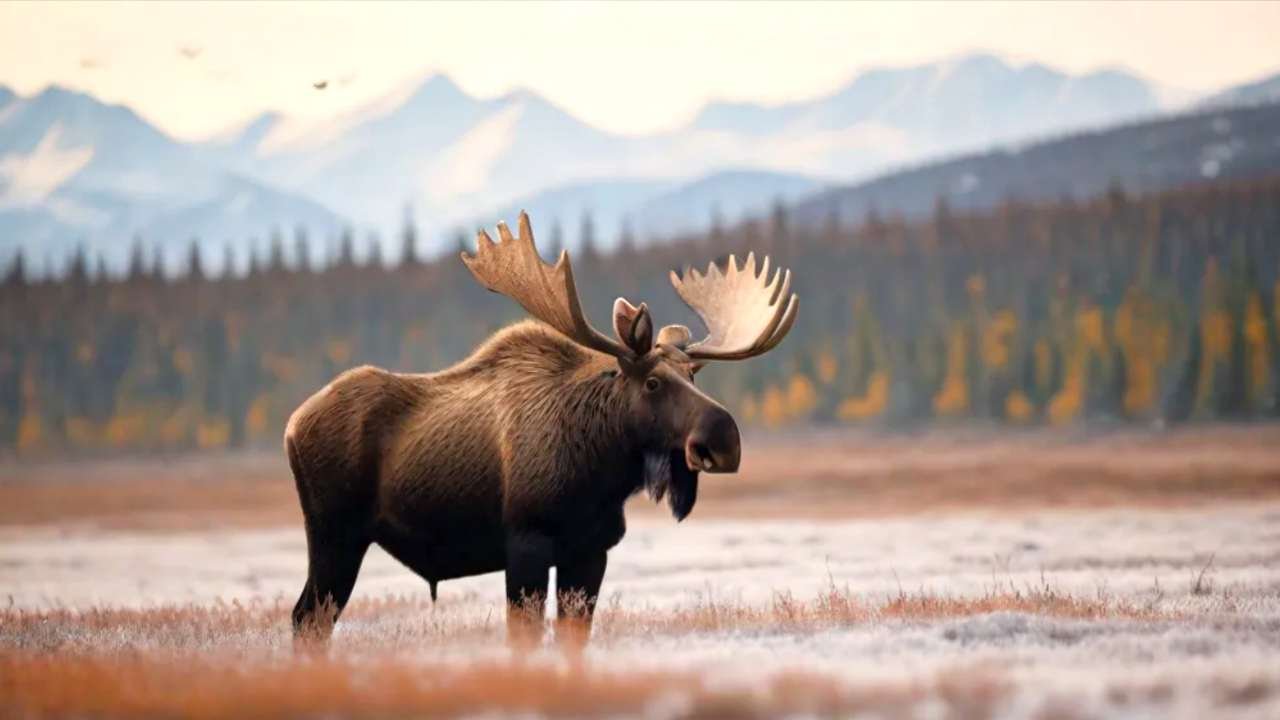
This is classic Alaska country, and the dates reflect how regional it all is. A very common window is Sept. 1–Sept. 25, especially across parts of southcentral and the Interior. In portions of Southeast, expect Sept. 15–Oct. 15 instead. Some areas also add winter permit opportunities in December, January, February, or March. Antler rules can be the real headache here, so don’t just read the dates—read the legal bull requirements too.
🦌 Caribou
Many popular caribou opportunities show up in the official regs as Aug. 10–Sept. 20. Unit 22 commonly shows Aug. 1–Sept. 30, while some northern resident opportunities stretch far longer, including July 1–Apr. 30 or no closed period in specific places. That sounds simple until migration shifts on you. One week can feel loaded, the next week eerily empty.
🐻 Black bear
Black bear is one of the most flexible options on the board. In some coastal country the window is Sept. 1–June 30 or Aug. 20–June 30, while parts of Units 14A, 14B, 15, and 16 show no closed season. Sealing is required in several units, especially across much of Southeast, southcentral, and parts of the Interior.
🐻 Brown/grizzly bear
These dates are more structured and the legal requirements matter more. Southeast commonly uses split periods of Sept. 15–Dec. 31 and Mar. 15–May 31. Kodiak often shows Oct. 25–Nov. 30 and Apr. 1–May 15. Nonresidents must have the proper locking tag and must be accompanied by a guide or qualifying resident relative.
🐏 Dall sheep
The main recurring official window is Aug. 10–Sept. 20, with some early youth opportunities around Aug. 1–5. A sheep hunter orientation course is required before taking part in many general full-curl harvest-ticket opportunities. If you’ve never judged ram legality in the field, do not wing it.
🐐 Mountain goat
The most common official run is Aug. 1–Dec. 31, though some late registration opportunities continue into March. Most goat access is through registration or drawing rather than a simple general opener.
🫎 Elk, bison & muskox
These are much more permit-driven. Elk is concentrated mostly in Units 3 and 8, with verified windows in September and October, plus some late dates to Dec. 31. Bison appears under scattered windows such as Aug. 10–June 30, Oct. 1–Mar. 31, and Mar. 1–31 depending on the area. Muskox is almost entirely a permit game, with common periods like Aug. 1–Sept. 30 and winter runs into Mar. 15 or Mar. 31.
If you’re trying to sort out draw odds, timing, or Tier II planning, this Alaska draw deadlines and Tier 2 permits guide is a useful companion piece.
Turkey Season
Let’s keep this one refreshingly straightforward:
- Spring turkey: No established statewide wild turkey opener listed in the 2026–2027 ADF&G regulations
- Fall turkey: None listed
- Youth turkey: None listed
So if you came here expecting a gobbler calendar, wrong state, friend.
Furbearers Season
A few highlights from the official small-game/fur-animal rules:
- Beaver: Unit 16 is open Aug. 10–May 31; Units 9, 18, 22, and 23 have no closed season; many other units are closed
- Coyote: Units 1–5, 18, and 22 run Sept. 1–Apr. 30; many other units show no closed season
- Arctic fox: Unit 8 runs Sept. 1–Feb. 15; Units 9, 17–18, 22–23, and 26 run Sept. 1–Apr. 30
- Red fox: Closed in Units 1–7 and 15; Sept. 1–Feb. 15 in Units 8–10, 14, 16–17; Sept. 1–Mar. 15 in Units 11–13 and 18–26
- Lynx: Varies sharply by unit, with verified windows such as Nov. 1–Mar. 15, Nov. 10–Feb. 28, Nov. 10–Mar. 31, and Nov. 1–Apr. 15
- Wolf: Common official windows include Aug. 1–May 31 and Aug. 1 or Aug. 10–Apr. 30 depending on unit
- Wolverine: Frequently Sept. 1–Feb. 15, Sept. 1–Jan. 31, or Sept. 1–Mar. 31 depending on the region
- Marten, mink, muskrat, river otter, and weasel: Follow trapping regulations rather than the firearm dates listed in the general booklet
Upland Birds Season
| Species | Verified dates |
|---|---|
| Grouse | Units 1–6: Aug. 1–May 15 |
| Grouse | Units 7, 11–16, 20, 25: Aug. 10–Mar. 31 |
| Grouse | Units 9, 17–19, 21–24, 26: Aug. 10–Apr. 30 |
| Ptarmigan | Units 1–5, 6A, 6B, 6C, 18: generally Aug. 1 or Aug. 10–May 15 |
| Ptarmigan | Units 23 & 26: Aug. 10–June 15 |
For many residents, grouse and ptarmigan are the most forgiving gateway into the field. Less drama, less gear, and a whole lot less antler math.
Upland Animals Season
| Species | Verified dates / notes |
|---|---|
| Snowshoe hare | Many units have no closed season, including 6–8, 10–13, 14B, 15–16, 19–21, 24–26 |
| Snowshoe hare | Units 1–5 and 14C: Sept. 1–Apr. 30 |
| Snowshoe hare | Unit 14A: no closed season |
| Alaska hare | Units 18, 22, 23: Aug. 1–May 31 |
| Pika | Units 12 and 20E: no closed season |
| Porcupine | Units 1–26: no closed season |
Other Small Games Season
| Species | 2026–2027 status |
|---|---|
| Dove | No general statewide opener listed |
| Quail | No general statewide opener listed |
| Squirrel | No closed season statewide |
| Rabbit | No separate cottontail-style statewide listing; check hare regulations instead |
| Mouse / shrew | No closed season |
| Deleterious exotic wildlife | No closed season statewide |
Migratory Birds Season
Waterfowl and other migratory bird dates are divided into five official zones, which is exactly why copying a buddy’s calendar from Kodiak into Southeast is such a bad idea.
| Zone | Units | Verified open dates |
|---|---|---|
| Southeast | 1–4 | Sept. 1–Nov. 30 and Dec. 16–Dec. 31 |
| Gulf Coast | 5–7, 9, 10 (Unimak only), 14–16 | Sept. 1–Dec. 16 |
| Northern | 11–13, 17–26 | Sept. 1–Dec. 16 |
| Pribilof/Aleutian | 10 except Unimak | Oct. 8–Jan. 22 |
| Kodiak | 8 | Oct. 8–Jan. 22 |
Ducks, Scaup, Mergansers, Geese Season
For ducks, geese, scaup, and mergansers, the zone chart above is your main calendar. A few species-specific notes matter:
- Brant:
- Southeast: Sept. 1–Oct. 21
- Northern: Sept. 1–Oct. 21
- Gulf Coast: Oct. 1–Nov. 20
- Kodiak & Pribilof/Aleutian: Oct. 8–Nov. 27
- Canada geese in Units 5 & 6: Sept. 28–Dec. 16
- Middleton Island (Unit 6D): goose access is registration permit only
- Mergansers/scaup: handled inside the migratory bird framework and follow the zone-based date blocks above
Other Waterfowls Season
- Youth-only duck opener: Mendenhall Wetlands State Game Refuge offers a Sept. 1–2 youth-only opportunity for hunters age 17 and under
- Tundra swan: By registration permit in Units 17, 18, 22, and 23, open Sept. 1–Oct. 31
- Trumpeter swan: Closed statewide
- Cranes and snipe: Covered in the migratory bird booklet; use your zone calendar and species notes before heading out
More Games Season
A few leftovers that still matter:
- Mountain lion: Units 1–5 are open Aug. 1–June 15
- Adak caribou: some opportunities in Unit 10 show no closed season
- Black bear in select units: several areas remain open year-round or nearly year-round
- Late winter moose, goat, and muskox opportunities: often exist by permit, especially where population objectives or local access make winter hunts practical
Game Units & Public Access
This state uses 26 Game Management Units, and those unit lines aren’t just map art—they decide your dates, bag limits, legal methods, salvage rules, and whether a permit is required. Before any trip, pull the correct unit map and double-check local closures, refuge rules, and access quirks through the official GMU maps and restriction portal.
A small but important tip: in many places, the hardest part isn’t finding animals—it’s avoiding a boundary mistake.
License Details
Here’s the practical money section.
| License / tag | Price |
|---|---|
| Resident annual hunting license | $45 |
| Resident sport fishing + hunting combo | $60 |
| Resident low-income sport fishing + hunting + trapping | $5 |
| Nonresident annual hunting license | $160 |
| Nonresident annual small game only | $60 |
| Nonresident alien annual hunting license | $630 |
| Nonresident military annual hunting license | $45 |
| Resident state waterfowl stamp | $10 |
| Nonresident state waterfowl stamp | $10 |
| Nonresident deer locking tag | $300 |
| Nonresident black bear locking tag | $450 |
| Nonresident caribou locking tag | $650 |
| Nonresident moose locking tag | $800 |
| Nonresident sheep locking tag | $850 |
| Nonresident brown/grizzly locking tag | $1,000 |
| Nonresident goat locking tag | $600 |
| Nonresident elk locking tag | $600 |
| Nonresident bison locking tag | $900 |
| Nonresident muskox bull tag | $2,200 |
| Nonresident wolf locking tag | $60 |
| Nonresident wolverine locking tag | $350 |
Quick license notes
- Resident youth: residents under 18 generally do not need a license
- Older residents: age 60+ may qualify for a permanent ID that replaces standard sport fishing, hunting, and trapping licenses
- Short-term option: there isn’t a simple short-term stand-alone hunting license; short-duration offerings are mostly built into combo packages with sport fishing
- Waterfowl add-ons: license, HIP enrollment, state duck stamp, and in many cases a federal duck stamp are required unless you qualify for an exemption
- Big game add-ons: nonresidents usually need a locking tag for each qualifying animal
FAQ
Do I need a tag, harvest ticket, or permit?
Often, yes. General opportunities for deer, moose, caribou, and sheep frequently use harvest tickets, while goat, elk, bison, muskox, and many bear opportunities lean heavily on registration or drawing permits.
Are public lands easy to access?
“Easy” is not the word I’d use. There’s a lot of country, but access can involve boats, bush flights, tides, private Native land considerations, refuge rules, or long overland travel. Always check the exact unit and land status.
Can I use archery gear instead of a rifle?
Usually yes, during an open period, unless that unit or hunt is restricted. Some places are bow-only or require certified bowhunter status.
Can dates change after the booklet is published?
Absolutely. Emergency orders can close, shorten, or otherwise modify an opportunity in-season.
Is night hunting allowed?
Don’t assume that long summer daylight equals a free-for-all. Method-and-means rules, species restrictions, and local closures still control what’s legal in a given unit.
Prepare for Your Alaska Hunt
Here’s the most useful state-specific advice I can give you: in Alaska, success usually comes from planning around the unit, not just the animal. The hunter who studies tides in Southeast deer country, learns where registration permits can close early, checks whether a moose area has antler restrictions, and confirms whether a waterfowl refuge has extra permit rules is the one who avoids heartbreak—and tickets. This isn’t a place where “close enough” works very well. Read the unit page, verify access, carry the right paperwork, and keep an eye on emergency orders right up to departure. Do that, and your trip starts feeling a lot less like guesswork and a lot more like a smart backcountry investment.