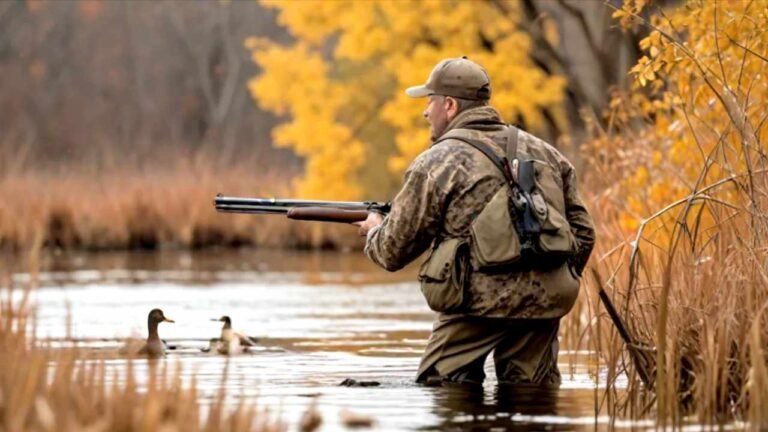
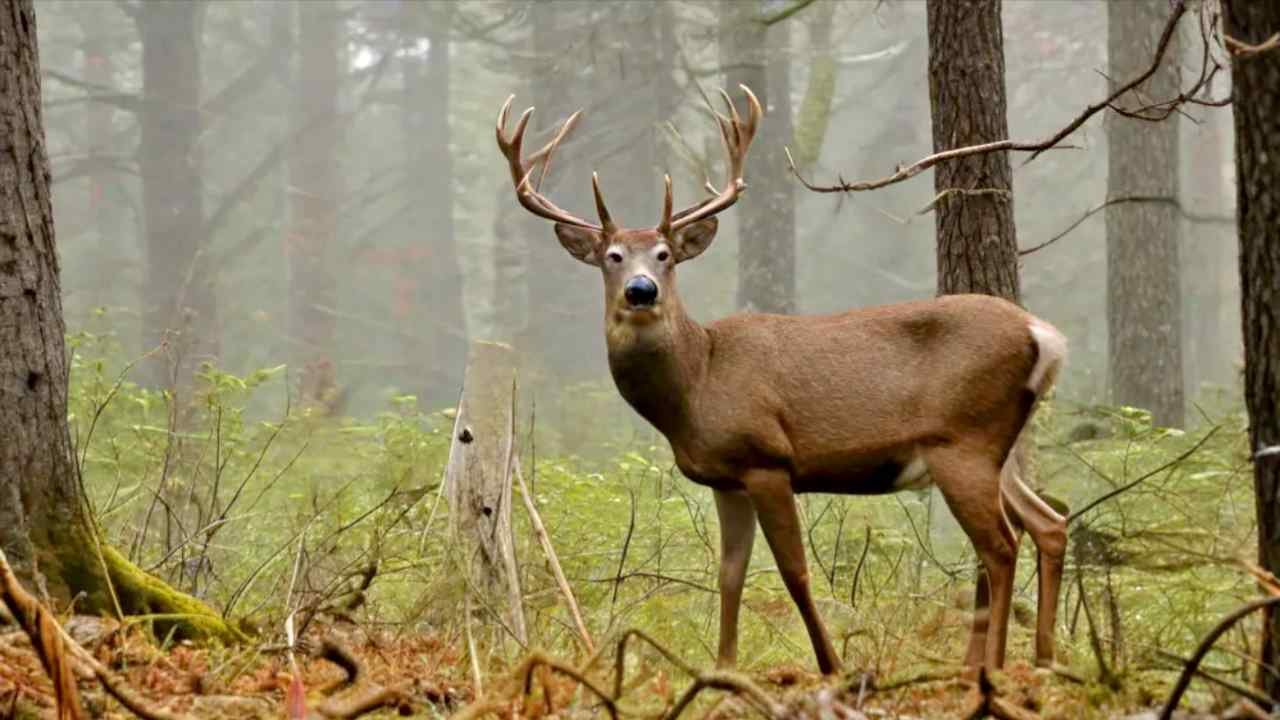
Washington Hunting Seasons 2026-2027 – Tags, Game Units & Legal Weapons
If you’re trying to sort out deer dates, turkey windows, waterfowl splits, license costs, and where to actually go, this guide pulls it all into one place. We reviewed the official WDFW regulations hub along with the WDFW Hunt Planner and GMU maps, then turned the rulebook into something a lot easier to read. If you also like comparing neighboring states or broader trends, the state hunting season guides category is a handy internal reference point.
Washington Hunting Season Overview 2026-2027
2026-27 is a very “read the fine print” year. Big-game frameworks are live, migratory bird tables include a few notable changes, and access details matter more than ever in certain units. A few standouts:
- The 2026 big-game pamphlet is in effect for April 1, 2026 through March 31, 2027.
- Special hunt applications for deer, elk, mountain goat, moose, bighorn sheep, and fall turkey opened in April.
- White-fronted goose bag rules changed in parts of the migratory framework.
- Cougar areas can close early when a cap is hit, so that one is absolutely not a “set it and forget it” deal.
- WDFW’s Hunt Planner also flags chronic wasting disease concerns around Spokane-area GMUs 117 and 124, which makes carcass transport rules worth checking before you load the truck.
If you’ve ever sat at the kitchen table with coffee, a half-highlighted pamphlet, and way too many tabs open, yeah, this guide is for that exact moment.
Summary: Key Species, Dates, and Methods
| Species / Group | 2026-27 Date Window | Method / Format | Notes |
|---|---|---|---|
| Deer | Sept. 1-Dec. 31 depending on unit/method | Archery, muzzleloader, modern firearm | Strong GMU variation |
| Elk | Aug. 1, 2026-Jan. 20, 2027 in select areas; main general windows Sept.-Dec. | Archery, muzzleloader, modern firearm | East/west splits matter |
| Black Bear | Aug. 1-Nov. 15 in most BBMUs; Aug. 15-Nov. 15 in select units | Any legal method | Dogs and bait prohibited |
| Cougar | Sept. 1, 2026-March 31, 2027 | General big-game method rules | Closes early when cap is reached |
| Turkey | Fall: Sept. 1-Dec. 31; Spring Youth: April 1-7, 2027; Spring General: April 15-May 31, 2027 | Shotgun, bow, crossbow, legal handguns | Transport tag required |
| Forest Grouse | Sept. 15-Jan. 15 | Upland bird | Statewide |
| Pheasant | Sept. 12-Jan. 18 depending on side of state and special days | Upland bird | Westside 8 a.m.-4 p.m. windows |
| Quail / Partridge / Chukar | Sept. 12-Jan. 31 depending on species | Upland bird | Mostly eastside-driven |
| Mourning Dove | Sept. 1-Oct. 30 | Migratory bird | Statewide |
| Band-tailed Pigeon | Sept. 15-23 | Migratory bird | Authorization reporting deadline Sept. 30 |
| Ducks | Oct. 17-25 & Oct. 28-Jan. 31 | Waterfowl | Scaup closed Oct. 17-Nov. 6 |
| Coot / Snipe | Oct. 17-25 & Oct. 28-Jan. 31 | Migratory bird | Statewide |
| Geese | Sept. 5, 2026-March 10, 2027 depending on GMA | Zone-based | Heavy east/west split |
| Bobcat / Fox / Raccoon | Sept. 1-March 15 | Small game / furbearer rules | Bobcat sealing required |
| Coyote | Year-round | Small game / big game license required | Dog use prohibited |
All Big Games: Archery, Muzzleloader & Rifle
🦌 Deer
Deer dates are a patchwork of weapon choices plus local unit differences, so don’t rely on one statewide opener and call it good.
Modern firearm
- High buck: Sept. 15-25
- Black-tailed deer: Oct. 17-Nov. 1
- White-tailed deer: Oct. 17-30 or Oct. 17-27 depending on unit
- Mule deer: Oct. 17-27
- Late black-tail: Nov. 19-22
- Late white-tail: Nov. 7-19
- Youth white-tail windows: Oct. 24-30 or Oct. 24-27
Archery
- Early archery: generally Sept. 1-25, with some units ending Sept. 20 or Sept. 22
- Late archery: GMU-dependent windows from Nov. 10-Dec. 31
Muzzleloader
- High buck: Sept. 15-25
- Early muzzleloader: Sept. 26-Oct. 4
- Late muzzleloader: varying windows from Nov. 20-Dec. 15
Important deer notes
- GMUs 372, 382, and 564 are largely private ground, so access research is a must.
- GMU 564 also has transplanted Columbian white-tailed deer, which are protected and cannot be taken.
- Some units require hunter orange or fluorescent pink.
🫎 Elk
Elk dates are split more clearly by east and west.
Modern firearm
- Eastern general windows:
- Sept. 12-27 in Elk Area 3722
- Oct. 31-Nov. 8
- Oct. 31-Nov. 15
- Select Master Hunter opportunities run from Aug. 1, 2026-Jan. 20, 2027
- Western general window:
- Nov. 7-18
Archery
- Eastern early: Sept. 12-24
- Western early: Sept. 12-24
- Eastern late: Oct. 31-Nov. 15, Nov. 20-Dec. 8, Nov. 25-Dec. 8, plus select longer Master Hunter dates
- Western late: Nov. 25-Dec. 15
Muzzleloader
- Eastern early: Oct. 3-9
- Western early: Oct. 3-9
- Eastern late: Oct. 31-Nov. 15, Nov. 25-Dec. 8
- Western late: Nov. 25-Dec. 15, Nov. 25-Dec. 8, Nov. 25-30, and one local Dec. 16-31 window
For elk, it’s smart to think in terms of “my unit, my weapon, my side of the Cascades” rather than “statewide.” That approach saves a lot of last-minute confusion.
🐻 Black Bear
Bear regulations are straightforward compared with deer and elk.
- Most Black Bear Management Units: Aug. 1-Nov. 15
- Okanogan BBMU 5: Aug. 15-Nov. 15
- Willapa Hills BBMU 14: Aug. 15-Nov. 15
Key rules
- Any legal method may be used.
- Dogs and bait are prohibited statewide for recreational bear pursuit.
- Bear ID matters, so first-timers should brush up before heading out.
🐆 Cougar
- General framework: Sept. 1, 2026-March 31, 2027
- But here’s the catch: a cougar area closes as soon as its mortality cap is reached
What that means in real life
- Don’t assume a unit stays open all winter.
- WDFW updates closures weekly on Thursdays before sunrise.
- Check status before every trip, especially later in the cycle.
🦃 Turkey Season: Spring, Fall & Youth
- Fall general:Sept. 1-Dec. 31
- GMUs 101-154 and 162-186: 2 beardless + 2 either-sex birds
- GMUs 382, 388, 568-578: 2 either-sex birds
- GMUs 203-290: 1 either-sex bird
- Spring youth: April 1-7, 2027
- Spring general: April 15-May 31, 2027
Turkey basics
- You need a small game license and a valid turkey transport tag
- Spring birds must be male or visibly bearded
- Separate reporting applies to spring and fall tag activity
- Klickitat, Spokane, Kittitas, Yakima, and broader east/west area limits create extra bag-limit nuance
🦫 Furbearers Season
- Bobcat:Sept. 1-March 15
- No bag limit
- Lower jaw submission required
- Pelt sealing required by April 20, 2027
- No dogs
- Fox:Sept. 1-March 15
- Closed inside the boundaries of several national forests, including Mt. Baker-Snoqualmie, Okanogan, Wenatchee, and Gifford Pinchot
- Raccoon:Sept. 1-March 15
- Dogs allowed, except not during overlapping October-November modern firearm deer/elk dates
- Beaver, badger, weasels, marten, mink, muskrat, river otter: trapping only, Nov. 1-March 31
🐦 Upland Birds Season
| Species | Area | Dates |
|---|---|---|
| Forest Grouse | Statewide | Sept. 15-Jan. 15 |
| Pheasant | Westside youth | Sept. 12-13 |
| Pheasant | Westside senior / disability | Sept. 14-18 |
| Pheasant | Westside regular | Sept. 19-Nov. 30 |
| Pheasant | Westside extended select sites | Dec. 1-15 |
| Pheasant | Eastside youth | Sept. 12-13 |
| Pheasant | Eastside senior / disability | Sept. 14-18 |
| Pheasant | Eastside regular | Oct. 17-Jan. 18 |
| California Quail / Bobwhite | Westside | Sept. 19-Nov. 30 |
| California Quail / Bobwhite | Eastside youth | Sept. 12-13 |
| California Quail / Bobwhite | Eastside regular | Oct. 3-Jan. 18 |
| Mountain Quail | Westside | Sept. 19-Nov. 30 |
| Gray Partridge | Eastside youth | Sept. 12-13 |
| Gray Partridge | Eastside regular | Oct. 3-Jan. 18 |
| Chukar | Eastside youth | Sept. 12-13 |
| Chukar | Eastside regular | Oct. 3-Jan. 31 |
| Crow | Statewide | Sept. 1-Dec. 31 |
Closed statewide
- Sage grouse
- Sharp-tailed grouse
- Ptarmigan
🐇 Upland Animals Season
This category is pretty simple in the current framework:
- Cottontail & Snowshoe Hare: Sept. 1-March 15
- Daily bag: 5
- Possession: 15
If you’re mostly after a fun, beginner-friendly outing, rabbit trips are still one of the better entry points in the state.
Other Small Games Season
| Species | Dates | Notes |
|---|---|---|
| Bobcat | Sept. 1-Mar. 15 | Sealing + jaw submission required |
| Fox | Sept. 1-Mar. 15 | Forest closures apply |
| Raccoon | Sept. 1-Mar. 15 | Dog-use restriction during overlapping deer/elk firearm dates |
| Coyote | Year-round | Small-game or big-game license required |
| Cottontail & Snowshoe Hare | Sept. 1-Mar. 15 | 5 daily / 15 possession |
| Jackrabbit | Closed | No open framework listed |
| Pygmy Rabbit | Closed | Closed statewide |
| Lynx | Closed | Closed statewide |
| Fisher | Closed | Closed statewide |
Night-use note: coyote may be taken at night with lights year-round, except during October-November modern firearm deer/elk general dates. Bobcat night pursuit is also prohibited in certain listed GMUs.
Migratory Birds Season
- Mourning Dove: Sept. 1-Oct. 30
- Band-tailed Pigeon: Sept. 15-23
- Snipe: Oct. 17-25 & Oct. 28-Jan. 31
- Coot: Oct. 17-25 & Oct. 28-Jan. 31
This is also the corner of the regulations where reporting deadlines matter a lot more than folks expect. Band-tailed pigeon reporting is due by September 30.
Ducks, Scaup, Mergansers & Geese
Ducks & Scaup
- West youth: Sept. 26, 2026
- East youth: Oct. 3, 2026
- Youth / veterans / active military statewide: Feb. 6, 2027
- Regular statewide duck framework: Oct. 17-25 & Oct. 28-Jan. 31
- Scaup closed Oct. 17-Nov. 6
Geese by Major Zone
Western GMAs
- GMA 1:Oct. 17-Nov. 29 and Dec. 12-Jan. 31
- White goose late opportunity: Feb. 13-21
- GMA 2 Coast: Saturdays, Sundays, and Wednesdays only, Oct. 17-Nov. 29 and Dec. 12-Jan. 10
- GMA 2 Inland: Saturdays, Sundays, and Wednesdays only, Oct. 17-Nov. 1, Nov. 25-Jan. 10, and Feb. 7-15
- GMA 3: Oct. 17-25 and Nov. 7-Jan. 31
Eastern GMAs
- Canada goose September opener, GMAs 4 & 5: Sept. 5-6
- GMA 4:
- Oct. 17-Nov. 29, Dec. 23-Jan. 24, every day Jan. 25-31
- Additional hunt days: Nov. 26-27; Dec. 24-25, 28-29, 31; Jan. 1 and 18
- White goose late: Feb. 20-March 10
- White goose closure period: Nov. 30-Dec. 22
- GMA 5: Oct. 17-Nov. 2 and Nov. 7-Jan. 31
Mergansers
The migratory extract I reviewed did not display a separate merganser date line, so I’m not going to pretend it did. Use the same migratory booklet for species-limit confirmation before you head out, especially if you’re mixing diver targets with regular duck days.
Other Waterfowls Season
- Brant, Clallam & Whatcom: Jan. 23, 27, and 30
- Brant, Pacific County: Jan. 16, 17, 19, 21, 23, 24, 26, 28, 30, and 31
- Brant youth / veterans / active military: Feb. 6
- Skagit brant: starts closed; extra dates depend on aerial survey results
- Harlequin duck: closed statewide except for permit holders
- Sea duck species in western portions: require special authorizations and harvest recording
More Game Dates Worth Knowing
- Moose, mountain goat, and bighorn sheep: limited-entry draw opportunities rather than broad general dates
- Swans: closed statewide
- Sage grouse, sharp-tailed grouse, ptarmigan: closed statewide
- Second deer and second elk tags: special-permit territory only
- Multi-season tags: available as paid add-ons for deer and elk
Game Units & Public Access
For zone planning, don’t just look at a county map (WDFW Hunt Planner and GMU maps) and hope for the best. Use the official GMU tools to sort out boundaries, closures, and nearby public land access. That matters even more in places like GMUs 372, 382, and 564, where private ground can shape your whole plan.
A good beginner workflow is:
- Pick the species
- Match the weapon date
- Check the GMU
- Verify whether it’s mostly private, refuge-based, or standard public access
- Then build your land-access and outdoor-gear checklist around that unit
License Details: Resident, Youth, Nonresident, Short-Term & Add-Ons
Big-game sample fees
- Deer + Elk + Bear + Cougar package:
- Resident: $95.50
- Nonresident: $860.00
- Youth: $46.00
- Deer tag only:
- Resident: $44.90
- Nonresident: $434.30
- Elk tag only:
- Resident: $50.40
- Nonresident: $497.00
- Bear license:
- Resident: $24.00
- Nonresident: $222.00
- Cougar license:
- Resident: $24.00
- Nonresident: $222.00
Add-ons and permit-style costs
- Multiple Season Deer Tag: $139.10
- Multiple Season Elk Tag: $182.00
- Special Hunt Permit Application: $7.10 resident / $110.50 nonresident
- Quality Special Hunt Application: $13.70 resident / $110.50 nonresident
Small-game and bird-related fees
- Small Game:
- Resident: $40.50
- Nonresident: $183.50
- Youth: $18.50
- 3-Day Small Game:
- Nonresident: $68.00
- Turkey Tag #1:
- Resident: $15.90
- Nonresident: $44.50
- Youth: Free
- Additional Turkey Tags:
- Resident: $15.90
- Nonresident: $66.50
- Migratory Bird Permit:
- $17.00 for resident/nonresident/senior, free for youth
- Migratory Bird Authorization:
- $13.20
- Western WA Pheasant Permit:
- Resident: $84.50
- Nonresident: $167.00
License requirement reminders
- Anyone born after Jan. 1, 1972 needs hunter education proof unless using the one-time deferral option.
- Everyone must carry the proper license plus any needed tags, permits, or stamps.
- Hunters age 15 and older must provide a Social Security number when buying a license.
FAQ
Do I need a transport tag for turkey?
Yes. A small game license alone isn’t enough; turkey rules also require a valid transport tag.
Where do I find public-land and GMU boundaries?
Use the official Hunt Planner/GMU mapping tools. They’re much better than guessing off a general county map.
Can I hunt cougar all winter?
Only if your cougar hunt area remains open. Closures happen once the area cap is reached.
Is night hunting allowed?
For some small-game situations, yes, but there are important restrictions. Coyote night use is limited during overlapping October-November modern firearm deer/elk dates, and bobcat night rules are tighter in listed GMUs.
Are there beginner-friendly bird options?
Definitely. Mourning dove, forest grouse, rabbits, and some westside pheasant opportunities are among the more approachable entries for newer folks.
Prepare for Your Washington Hunt
If you’re getting serious about a trip in this state, the smartest move is to plan around details that are easy to miss: GMU access, private-land concentration, goose-area restrictions, reporting deadlines, and species-specific paperwork. For example, GMA 2 goose hunters have extra ID-test and record-card requirements, bobcat hunters need jaw submission and sealing by April 20, and turkey hunters need to track spring and fall reporting separately. Add in the CWD watch around Spokane-area units and the protected Columbian white-tailed deer issue in GMU 564, and it’s clear this isn’t a “grab a tag and wing it” kind of place. The payoff, though, is big: when you match the right unit, the right dates, and the right access strategy, this state offers everything from westside pheasants and late goose days to classic mule deer and elk country.