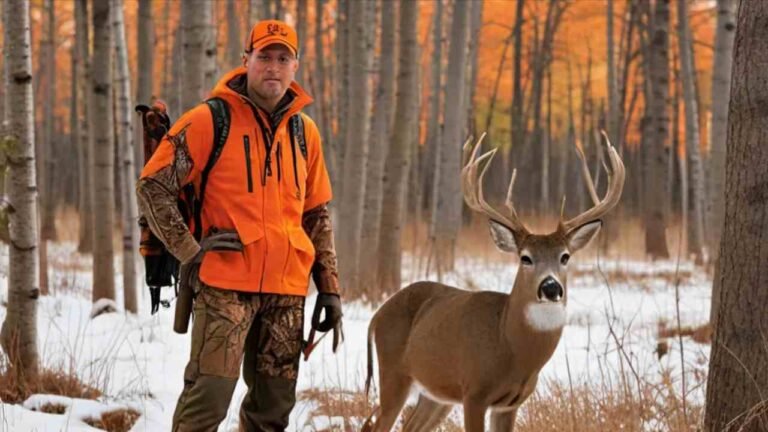
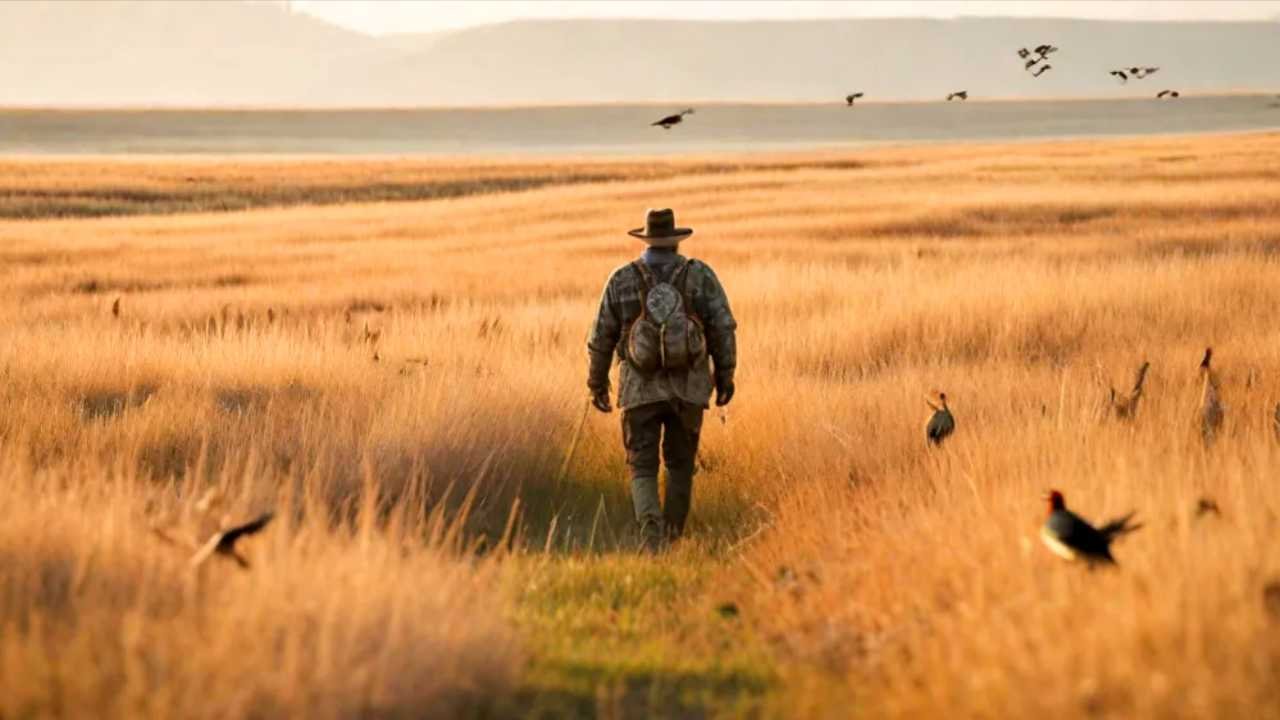
South Dakota 2026-2027 Hunting Access & Season Overview
If you’re planning field time in South Dakota this year, this guide pulls the big stuff into one place: verified 2026–2027 dates, key species, access maps, licensing basics, and the zone splits that trip up a lot of first-timers. We’ve kept it practical, readable, and beginner-friendly—because honestly, the state’s calendar makes a lot more sense once you separate East River, West River, the Black Hills, and the waterfowl zones in your head. If you like comparing regulations across the country, you can also browse more state season guides.
South Dakota’s 2026 lineup is now taking shape on the official GFP calendar, and the big updates worth watching are the usual high-impact items: draw deadlines, nonresident waterfowl lottery windows, Black Hills quota-style big-game management, and access planning through public-land atlas tools. One especially useful reminder for beginners: not every pursuit here is handled the same way. Deer and antelope are heavy on units and tag types, waterfowl depends on zones and lottery rules, and elk remains residents-only with dates tied to the application materials rather than a simple one-line calendar.
South Dakota Hunting Season Overview 2026–2027
This state gives you a little bit of everything—prairie birds, river-bottom whitetails, western pronghorn country, Black Hills elk, and some seriously good duck and goose timing if migration lines up. The easiest way to think about it? Deer is split by region and weapon type, turkey has separate prairie and Black Hills frameworks, upland birds roll from September into late January, and waterfowl is layered by duck zones plus goose units. I’ve always thought South Dakota gets much less intimidating once you treat it like three landscapes instead of one giant map: eastern ag country, western rangeland, and the Hills.
Quick-Glance Table: Key Species, Dates & Methods
| Species | 2026–2027 Dates | Method / Notes |
|---|---|---|
| Deer – Archery | Sept. 1, 2026 – Jan. 1, 2027 | Archery; resident and nonresident options |
| Deer – West River | Nov. 14 – Nov. 29, 2026 | Firearm; regional unit framework |
| Deer – East River | Nov. 21 – Dec. 6, 2026 | Firearm; regional unit framework |
| Deer – Black Hills | Nov. 1 – Nov. 30, 2026 | Firearm; Black Hills units |
| Antelope – Archery | Aug. 15 – Oct. 31, 2026 | Archery; western-focused |
| Antelope – Firearms | Oct. 3 – Oct. 18, 2026 | Firearm |
| Turkey – Spring Prairie | Apr. 11 – May 31, 2026 | Shotgun / archery by license type |
| Turkey – Spring Black Hills | Apr. 25 – May 31, 2026 | Separate Black Hills framework |
| Turkey – Fall Prairie | Nov. 1, 2026 – Jan. 31, 2027 | Fall units |
| Pheasant – Youth | Sept. 26 – Oct. 4, 2026 | Youth-only opener |
| Pheasant – Traditional | Oct. 17, 2026 – Jan. 31, 2027 | Classic opener |
| Prairie Grouse | Sept. 19, 2026 – Jan. 31, 2027 | Upland bird |
| Partridge | Sept. 19, 2026 – Jan. 31, 2027 | Upland bird |
| Quail | Oct. 17, 2026 – Jan. 31, 2027 | Southeastern pockets |
| Ducks – High Plains | Oct. 10, 2026 – Jan. 14, 2027 | Zone-based |
| Ducks – Low Plains North/Middle | Sept. 26 – Dec. 8, 2026 | Zone-based |
| Ducks – Low Plains South | Oct. 24, 2026 – Jan. 5, 2027 | Zone-based |
| Canada Goose – Unit 1 | Oct. 1 – Dec. 16, 2026 | Goose unit |
| Canada Goose – Unit 2 | Nov. 2, 2026 – Feb. 14, 2027 | Goose unit |
All Big Games: Archery & Rifle
Here’s the part most people look for first.
Deer 🦌
| Hunt Type | Dates | Beginner Notes |
|---|---|---|
| Archery | Sept. 1, 2026 – Jan. 1, 2027 | Long window; great for planning around weather |
| Nonresident Archery Public/Private | Sept. 1, 2026 – Jan. 1, 2027 | Separate nonresident structure |
| Municipal Archery | Sept. 1, 2026 – Jan. 1, 2027 | City-specific participation rules apply |
| Apprentice & Mentored Deer | Sept. 12, 2026 – Jan. 1, 2027 | Good entry path for newer participants |
| Black Hills | Nov. 1 – Nov. 30, 2026 | Distinct unit map and terrain style |
| West River | Nov. 14 – Nov. 29, 2026 | Western rangeland focus |
| West River Special Buck | Nov. 14 – Nov. 29, 2026 | Specialty buck structure |
| East River | Nov. 21 – Dec. 6, 2026 | Agricultural and river-bottom country |
| East River Special Buck | Nov. 21 – Dec. 6, 2026 | Special buck framework |
| Muzzleloader | Dec. 1, 2026 – Jan. 1, 2027 | Late-year option |
| Custer State Park | Nov. 1 – Dec. 15, 2026 | Separate park rules and permits |
Antelope
| Hunt Type | Dates | Notes |
|---|---|---|
| Archery | Aug. 15 – Oct. 31, 2026 | Starts early; useful for warm-weather planning |
| Nonresident Archery Public/Private | Aug. 15 – Oct. 31, 2026 | Separate nonresident option |
| Firearms | Oct. 3 – Oct. 18, 2026 | Main gun window |
| Special | Oct. 3 – Oct. 18, 2026 | Check unit-specific details |
| Custer State Park | Oct. 3 – Oct. 18, 2026 | Park-specific structure |
Elk
- Elk remains one of the most controlled big-game opportunities in the state.
- Only residents are eligible to apply for and receive an elk license.
- The 2026 application period listed by GFP runs Apr. 22 – May 19, 2026.
- GFP directs applicants to the elk application materials for exact field dates rather than listing one simple statewide opener.
Mountain Lion
- Black Hills Fire Protection District: Dec. 26, 2025 – Apr. 30, 2026, with early closure if the harvest threshold is met.
- Statewide framework: open through Dec. 25, 2026 outside the quota-managed Black Hills setup.
- Harvested lions must be reported and presented for inspection quickly, so this is not a “figure it out later” tag.
Bighorn Sheep
- Black Hills: Sept. 1 – Dec. 31, 2026
- Custer State Park: Sept. 1 – Dec. 31, 2026
No bear dates are listed on the current 2026 GFP calendar, so bear is not part of this year’s standard South Dakota big-game lineup.
Turkey Season
- Spring Prairie: Apr. 11 – May 31, 2026
- Spring Prairie Archery: Apr. 11 – May 31, 2026
- Spring Mentored: Apr. 11 – May 31, 2026
- Spring Black Hills: Apr. 25 – May 31, 2026
- Spring Black Hills Archery: Apr. 25 – May 31, 2026
- Nonresident Spring Black Hills: Apr. 25 – May 31, 2026
- Spring Custer State Park: Apr. 25 – May 23, 2026
- Fall Prairie: Nov. 1, 2026 – Jan. 31, 2027
- Fall Mentored: Nov. 1, 2026 – Jan. 31, 2027
One extra nugget beginners often miss: GFP also notes special archery access-permit requirements for places like Adams Nature Area and Good Earth State Park. So if you’re dreaming up a spring gobbler trip in one of those spots, don’t stop at the date line—check permit language too.
Furbearers Season
- Mink & Weasel: Nov. 1, 2026 – Jan. 31, 2027
- Mink & Weasel (Nonresident): Dec. 1, 2026 – Jan. 31, 2027
- Bobcat: quota-managed structure; East River is limited to 1 bobcat per hunter or trapper, Black Hills is 1 bobcat per hunter or trapper, and West River is listed as unrestricted on the species page.
- Coyote, raccoon, beaver, muskrat, red fox, and other furbearers/predators: available through South Dakota’s trapping and predator/varmint framework, but always double-check the current species-specific page or handbook before heading out—this category has more fine print than most folks expect.
Upland Birds Season
| Bird | Dates | Notes |
|---|---|---|
| Pheasant – Youth Only | Sept. 26 – Oct. 4, 2026 | Great warm-up before the main opener |
| Pheasant – Traditional | Oct. 17, 2026 – Jan. 31, 2027 | The classic opener everyone talks about |
| Prairie Grouse | Sept. 19, 2026 – Jan. 31, 2027 | Central and western grassland country |
| Partridge | Sept. 19, 2026 – Jan. 31, 2027 | Often overlaps good pheasant country |
| Quail | Oct. 17, 2026 – Jan. 31, 2027 | Mostly southeast |
If you’re brand new, pheasant gets the headlines, but partridge and prairie grouse can be a smart way to avoid the shoulder-to-shoulder feel of opening weekend.
Upland Animals Season
| Species | Dates | Notes |
|---|---|---|
| Cottontail Rabbit | Sept. 1, 2026 – Mar. 31, 2027 | Long, forgiving calendar |
| Tree Squirrel | Sept. 1, 2026 – Mar. 31, 2027 | Good beginner option near river timber and shelterbelts |
These two are underrated starter pursuits. They offer lots of calendar flexibility, less pressure than a marquee opener, and a nice way to learn access rules before chasing a premium tag.
Other Small Games Season
| Species | Dates | Best Use |
|---|---|---|
| Mourning Dove | Sept. 1 – Nov. 9, 2026 | Early-fall action |
| Crow – Spring | Mar. 1 – Apr. 30, 2026 | Spring setup work |
| Crow – Fall | Sept. 1 – Oct. 31, 2026 | Early-fall opportunity |
| Snipe | Sept. 1 – Oct. 31, 2026 | Fast-paced migratory bird option |
| Quail | Oct. 17, 2026 – Jan. 31, 2027 | Southeast focus |
| Cottontail Rabbit | Sept. 1, 2026 – Mar. 31, 2027 | Family-friendly timing |
| Tree Squirrel | Sept. 1, 2026 – Mar. 31, 2027 | Accessible for beginners |
Migratory Birds Season
South Dakota really shines once the sky starts moving. The migratory-bird calendar is broad enough that you can start with dove in early September, shift into snipe and cranes, then roll into ducks, geese, and swan if you’ve handled the licensing and unit details. The trick is not assuming one stamp or one permit covers everything—it doesn’t.
| Species | Dates |
|---|---|
| Mourning Dove | Sept. 1 – Nov. 9, 2026 |
| Snipe | Sept. 1 – Oct. 31, 2026 |
| Sandhill Crane | Sept. 26 – Nov. 22, 2026 |
| Tundra Swan | Oct. 3, 2026 – Jan. 8, 2027 |
| Youth Waterfowl | Sept. 12 – Sept. 13, 2026 |
Ducks, Scaup, Mergansers & Geese Season
For ducks, South Dakota uses zone timing rather than one simple statewide opener. If you’re targeting scaup or mergansers too, plan your trip around the duck zone you’ll be in first, then layer species rules on top.
Duck Zones 🦆
| Zone | Dates |
|---|---|
| Low Plains North | Sept. 26 – Dec. 8, 2026 |
| Low Plains Middle | Sept. 26 – Dec. 8, 2026 |
| Low Plains South | Oct. 24, 2026 – Jan. 5, 2027 |
| High Plains | Oct. 10, 2026 – Jan. 14, 2027 |
Goose Calendar 🪿
| Goose Opportunity | Dates |
|---|---|
| Canada Goose – Early | Sept. 1 – Sept. 30, 2026 |
| Canada Goose – Unit 1 | Oct. 1 – Dec. 16, 2026 |
| Canada Goose – Unit 2 | Nov. 2, 2026 – Feb. 14, 2027 |
| White-fronted Goose | Sept. 26 – Dec. 8, 2026 |
| Light Goose | Sept. 26, 2026 – Jan. 8, 2027 |
| Light Goose Conservation Order | Feb. 16 – May 15, 2026 |
| August Goose Management Take | Aug. 15 – Aug. 31, 2026 |
Other Waterfowls Season
- Youth Waterfowl: Sept. 12–13, 2026
- Tundra Swan: Oct. 3, 2026 – Jan. 8, 2027
- Sandhill Crane: Sept. 26 – Nov. 22, 2026
- Nonresident waterfowl: fall access is limited by lottery drawing, so out-of-state travelers really shouldn’t wait until the last minute.
More Games Season
A few extra dates don’t fit neatly into the main buckets, but they matter:
- Custer State Park Non-Trophy Buffalo: Oct. 5 – Nov. 13, 2026
- Custer State Park Trophy Buffalo: Nov. 16, 2026 – Jan. 15, 2027
- Bighorn Sheep – Black Hills: Sept. 1 – Dec. 31, 2026
- Bighorn Sheep – Custer State Park: Sept. 1 – Dec. 31, 2026
- Paddlefish – Gavins Point Dam Snagging: Oct. 1 – Oct. 31, 2026
- Paddlefish – Gavins Point Dam Archery: June 1 – June 30, 2026
- Paddlefish – Lake Francis Case Snagging: May 1 – May 31, 2026
Game Units & Public Access
This is the part that saves gas, confusion, and awkward fence-line conversations. GFP says the state has more than 5 million acres of opportunity across public land plus private acres leased for public access. The atlas is where you’ll sort out Walk-In Areas, Game Production Areas, Waterfowl Production Areas, school/public lands, national grasslands, and other open ground. Because roughly 80% of the state is privately owned, access planning is not optional here—it’s half the battle. Use the South Dakota Public Hunting Atlas before you lock in a motel, fuel route, or backup spot.
License Details 🎟️
Here’s the simple version:
- Residents
- Resident Small Game: $36
- Resident Youth Small Game (ages 12–17): $5
- Resident 1-Day Small Game: $12
- Big-game tags vary by species and draw type.
- Nonresidents
- Nonresident Small Game (10 days, split into two 5-day periods): $121
- Nonresident waterfowl access is limited in fall and handled through a lottery.
- Some nonresident opportunities use separate public/private or unit-based licensing.
- Youth / Mentored / Apprentice
- Mentored programs are available to residents and nonresidents.
- Hunter education is required for ages 12–15 in youth participation.
- For mentored participation, the adult mentor must have completed hunter education.
- Short-term options
- One-day resident small-game permits are available.
- Nonresident upland participation often centers on the two 5-day-period setup.
- Add-ons
- Habitat Stamp: $10 resident / $25 nonresident
- State migratory-bird paperwork is required for migratory-bird participation, and waterfowl also brings federal requirements into play.
My honest advice? Before you buy anything, decide whether your trip is mainly upland, big game, or waterfowl. In this state, that choice changes almost everything—from fees to access to the fine print.
FAQ
Do I need a separate tag for each big-game species?
Usually yes. Deer, antelope, elk, turkey, lion, and sheep all use species-specific licensing structures, and many are unit-based or draw-based.
Can nonresidents just show up for ducks?
Not safely, planning-wise. Fall nonresident waterfowl access is limited and uses a lottery process, so it’s smarter to treat that trip as an application-first trip.
Is public land easy to find?
It’s easier than people assume, but not automatic. The atlas is excellent, and you should use it. Still, private ownership dominates the state, so always have a backup parcel or two.
Are there youth-friendly options?
Absolutely. Youth pheasant, youth waterfowl, mentored deer, mentored turkey, and beginner-friendly rabbit/squirrel windows make this a solid state for families.
Is night hunting allowed?
Rules vary a lot by species and time of year. Don’t assume predator rules apply to everything. For example, bobcat rules are tighter, and big-game restrictions are a different animal entirely—read the current species page before any after-dark setup.
Prepare for Your South Dakota Hunt
If you want the smartest possible plan for South Dakota, build it around region first, species second. East River and West River deer are not interchangeable trips. Black Hills hunts come with their own terrain, access style, and quota language. Waterfowl travelers need to think in duck zones and goose units, not just “north vs. south.” Upland folks should remember that youth pheasant opens well before the traditional opener, and nonresident bird travelers are wise to line up access before they line up lodging. And maybe most important of all: because private ownership dominates so much of the state, the people who have the smoothest fall are usually the ones who spent extra time with the atlas, permission calls, and backup spots—not the ones who only memorized the opener.