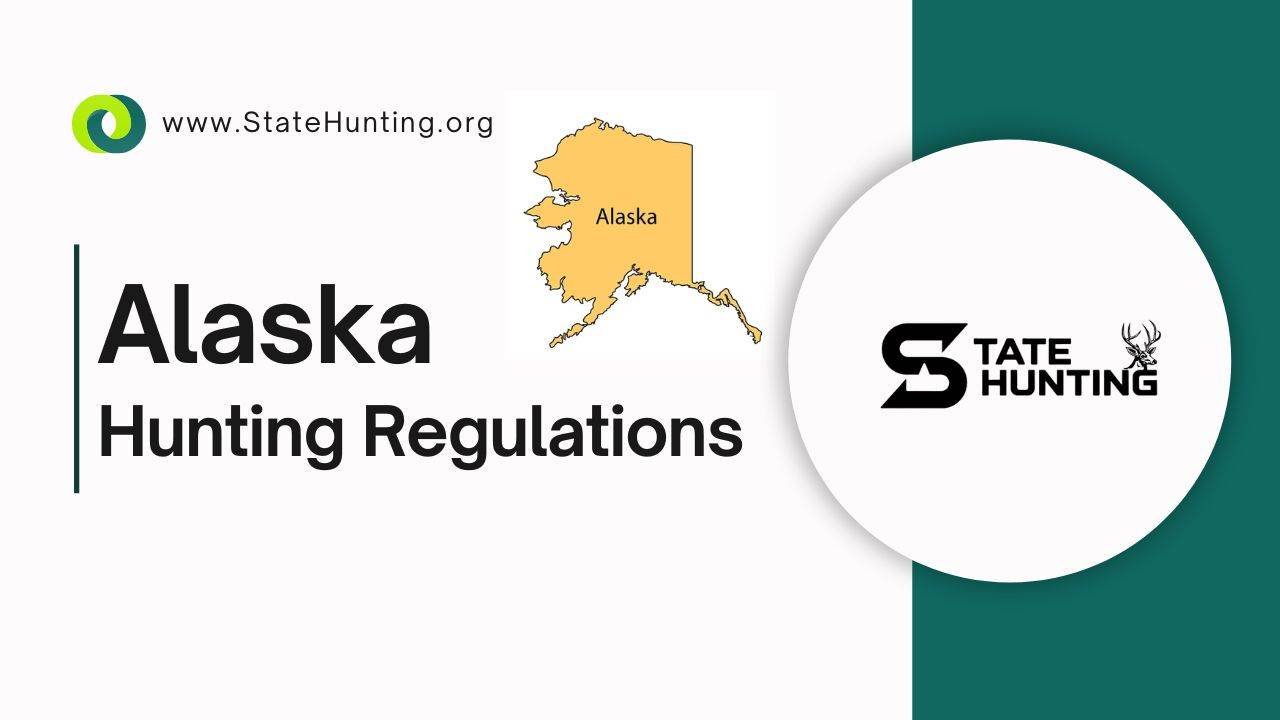
Hunting Regulations in Alaska (2026-2027) – Tags, Weapons, Zones & Rules
Planning your first hunting adventure in the Last Frontier? You’ve come to the right place! Alaska offers some of the world’s most incredible hunting opportunities, from massive moose to pristine caribou herds. But before you pack your gear and head north, understanding Alaska’s game laws is absolutely crucial for a successful and legal hunt.
This comprehensive guide breaks down everything you need to know about Alaska’s 2026-2027 hunting regulations, including licenses, legal weapons, game management units, and timing. Whether you’re a resident or visiting from out of state, these essential rules will help you navigate the process with confidence.
Alaska Hunting Key updates 2026-2027
| Update | What changed |
|---|---|
| 2026–2027 regulations are now available | The official Alaska hunting regulations booklet is effective July 1, 2026 through June 30, 2027. |
| New requirement for general season sheep hunters | A new requirement was announced for general season sheep hunters on July 1, 2026. |
| Resident RC800 caribou hunts modified | Portions of Unit 22B and 22D were changed to “may be announced” seasons. |
| Cow caribou season closed in multiple areas | Cow caribou hunting was closed in Unit 22, Unit 23, and Unit 26(A) Southwest. |
| Unit 26B caribou bag limit changed | The remaining Unit 26B caribou bag limit became bulls only for 2026. |
| Unit 20E sheep season closed | The 2026 sheep season was closed in the Glacier Mountain Controlled Use Area (Unit 20E). |
| Mountain goat and moose admin reminders | Mountain goat hunters need the identification quiz, and nonresident moose hunters must complete orientation. |
Notable statewide reminders
- The Alaska Department of Fish and Game says the 2026–2027 hunting regulations booklet is the main reference, but hunters should check the hunt.alaska.gov site for the most current changes.
- The agency also highlights undersubscribed draw permits in Unit 22.
- Emergency orders and news releases are active, so some seasons and bag limits can change after the booklet is published.
🎟️ License & Tag Requirements in Alaska
Who Needs a Hunting License?
Alaska Residents:
- Ages 17 and under: No license required
- Ages 18 and older: Valid hunting license required ($45)
- Ages 60+: May apply for a free permanent identification card (PID) instead of annual licenses
- Disabled veterans: May qualify for free hunting, fishing, and trapping licenses
Non-Residents:
- All ages must have appropriate licenses and big game locking-tags
- Small game hunting license: $60
- All game hunting license: $160
- Alien hunting license (non-U.S. citizens): $630
Special Locking-Tag Requirements
Alaska uses a unique “locking-tag” system for big game hunting. These numbered metal tags must be purchased before your hunt and locked onto harvested animals immediately.
Resident Tag Fees:
- Brown/grizzly bear: $25 (required in certain locations only)
- Muskox (non-subsistence hunts): $500 drawing or $25 registration
Non-Resident Tag Fees:
- Black bear: $450
- Brown/grizzly bear: $1,000
- Caribou: $650
- Dall sheep: $850
- Deer: $300
- Moose: $800
- Mountain goat: $600
- Muskox: $2,200
- Wolf: $60
- Wolverine: $350
Where to Purchase
Getting your license and tags is straightforward:
- Online: hunt.alaska.gov (recommended)
- Retail locations: Most sporting goods and hardware stores
- ADF&G offices: Contact your local office
Remember, licenses and tags are valid only for the calendar year printed on them!
🔫 Legal Weapons & Season Methods
Alaska’s weapon regulations vary significantly by location and species, so understanding these rules is essential for compliance.
Firearms
- Legal: Rifles, shotguns (10 gauge or smaller), and pistols using center-fire cartridges
- Muzzleloaders: Must be .45 caliber or larger, shoulder-mounted, single-projectile only
- Prohibited: Machine guns, set guns, rimfire cartridges (except swimming caribou in Units 23 and 26)
Archery Equipment
Bow Requirements:
- Minimum 40 lbs draw weight for black bear, sheep, caribou, deer, wolf, wolverine
- Minimum 50 lbs draw weight for moose, elk, brown bear, mountain goat, muskox, bison
- Arrows: 20+ inches long, 300+ grains total weight, broadhead-tipped
- Prohibited: Scopes, electronic devices (except lighted nocks), mechanical draw aids
Crossbows
- Minimum 100 lbs peak draw weight
- Shoulder-mounted design required
- Bolts: 16+ inches, 300+ grains, broadhead-tipped
- Certification required if born after January 1, 1986, or participating in crossbow-only hunts
Safety Requirements
While Alaska doesn’t require hunter orange statewide, it’s mandatory in specific youth management areas and highly recommended everywhere for visibility. Hunter education certification is required in certain units and for specific weapon types.
Method Restrictions
Some areas limit hunting to specific weapons:
- Dalton Highway Corridor: Bow and arrow only (firearms prohibited by statute)
- Urban management areas: Often restricted to muzzleloader, shotgun with slugs, crossbow, or archery
- Archery-only seasons: Common for moose and other species in high-use areas
📍 Hunting Zones & Units in Alaska
Alaska’s hunting management system divides the state into 26 numbered Game Management Units (GMUs), each with distinct boundaries and specific regulations.
How the System Works
- Units 1-5: Southeast Alaska (islands and coastal areas)
- Units 6-8: Prince William Sound and Kodiak Island
- Units 9-16: Southcentral Alaska (including Anchorage area)
- Units 17-26: Interior and Northern Alaska
Each unit contains detailed subunits (like 13A, 13B) that allow for precise management of wildlife populations and hunter opportunities.
Zone-Specific Variations
Rules change dramatically between units. For example:
- Unit 15 (Kenai Peninsula): Popular moose hunting with bow-only seasons and antler restrictions
- Unit 20 (Interior): Multiple caribou herds with generous bag limits
- Unit 8 (Kodiak): Famous brown bear hunting with strict permit requirements
Finding Your Zone Map
Each unit includes a detailed map showing boundaries, restricted areas, and access points. These maps are available in the official regulations booklet and online at the Alaska Department of Fish and Game website.
📅 AK Season Timing & Bag Limits (Brief Overview)
Alaska’s hunting seasons follow the regulatory year from July 1 to June 30, with most opportunities concentrated in fall months.
Popular Species Overview:
Moose:
- Seasons: Typically September 1-25 (varies by unit)
- Bag Limit: One bull per year with antler restrictions
- Peak Time: Early to mid-September
Caribou:
- Seasons: August 1 through March (unit-dependent)
- Bag Limit: 1-15 caribou depending on location
- Peak Time: August through October
Black Bear:
- Seasons: Most units have no closed season
- Bag Limit: Usually 2-3 bears per year
- Peak Time: Spring (April-June) and fall (August-October)
Sitka Black-tailed Deer:
- Seasons: August 1 – December 31
- Bag Limit: 1-6 deer depending on unit
- Peak Time: August through November
Dall Sheep:
- Seasons: August 10 – September 20
- Bag Limit: One full-curl ram (some units every 4 years)
- Peak Time: Late August through early September
🙋 Frequently Asked Questions
Q: Do I need a guide as a non-resident hunter?
A: It depends on what you’re hunting. Non-residents must use an Alaska-licensed guide or qualified Alaska resident relative (within second-degree of kindred, age 19+) when hunting brown/grizzly bear, Dall sheep, or mountain goat. Non-resident aliens need a guide for all big game hunting.
Q: Can I hunt the same day I fly into Alaska?
A: No! Alaska’s “same day airborne” law prohibits hunting big game until 3:00 AM the day after flying (except on regularly scheduled commercial flights). This rule prevents spotting game from aircraft.
Q: What’s the difference between a harvest ticket and a locking-tag?
A: Locking-tags are metal tags purchased before hunting and attached to harvested big game immediately. Harvest tickets are additional permits required for certain species and must be validated at the kill site.
Q: How do I know if I need a permit for my hunt?
A: Check the specific unit pages in the regulations. Some hunts are “general season” (first-come, first-served), while others require drawing permits, registration permits, or harvest tickets.
🔗 Helpful Resources & Official Links
Stay connected with these essential resources:
- Alaska Department of Fish & Game: www.adfg.alaska.gov
- License Purchase Portal: hunt.alaska.gov
- Complete 2026-2027 Regulations: Download PDF
- Game Management Unit Maps: GMU Information
- Emergency Orders: Current Updates
For specific questions about regulations or wildlife management, contact your local Alaska Department of Fish and Game office.
👋 Conclusion
Alaska’s hunting opportunities are truly world-class, but success starts with understanding the rules. From proper licensing and weapon selection to choosing the right unit and timing your hunt, these regulations exist to ensure sustainable wildlife populations and safe hunting experiences for everyone.
Remember that rules can change due to emergency orders or population concerns, so always check the official ADF&G website before your hunt. The investment in proper preparation pays off with unforgettable experiences in some of North America’s last wilderness areas.
Whether you’re planning your first Alaskan adventure or returning for another incredible hunt, take time to review the complete regulations for your specific unit and species. The Last Frontier is waiting – hunt responsibly and make memories that will last a lifetime!
Note: This guide provides general information based on 2026-2027 regulations. Always consult the official Alaska Department of Fish and Game regulations for the most current and detailed requirements for your specific hunt.