Connecticut Fishing Rules 2026 Breakdown: Legal Waters, Limits & Updates
Connecticut’s managed fisheries system isn’t static paperwork — it’s a living response to what’s actually happening beneath the water. The CT Department of Energy and Environmental Protection (DEEP) designs its harvest framework around population biology, seasonal migration windows, and ecological pressure on native species. That approach drives every rule on the books in 2026.
The most significant shift this year targets brook trout, Connecticut’s only native trout species. Population surveys revealed a 37% decline in some monitored areas, prompting new statewide possession standards that apply to all trout varieties — brook, brown, rainbow, tiger, and lake — effective January 1, 2026. No trout under 9 inches may be harvested anywhere in the state under the new default baseline. That single change ripples across every lake, pond, river, and stream in the inland district. Beyond trout, regulations for bass, walleye, pike, and coastal species like striped bass continue operating under structured slot and cap models tied to sustainability goals rather than angler convenience.
Unlike states with seasonal shutdowns and opening-day fanfare, Connecticut operates largely on a year-round open framework — but with layered access provisions that vary sharply by water type, species, and designated management zone.
📍 Where the Rules Shift: A Water-Type Breakdown
Connecticut’s angling calendar doesn’t follow one universal rulebook. Regulations flex significantly based on where you’re casting.
| Water Category | General Open Period | Harvest Style | Key Differences |
|---|---|---|---|
| Lakes & Ponds | Year-round for most species | Daily caps + size minimums | Bass 12″ min, 6/day; Pickerel 15″ min, 6/day |
| Rivers & Streams | Year-round; trout C&R March 1–2nd Sat. April | Slot, cap, or catch-and-release | Rivers have no bass size minimum; extra TMA/WTMA overlays |
| Reservoir Systems | Year-round | Special management zones apply | Some bass management lakes carry unique seasonal rules |
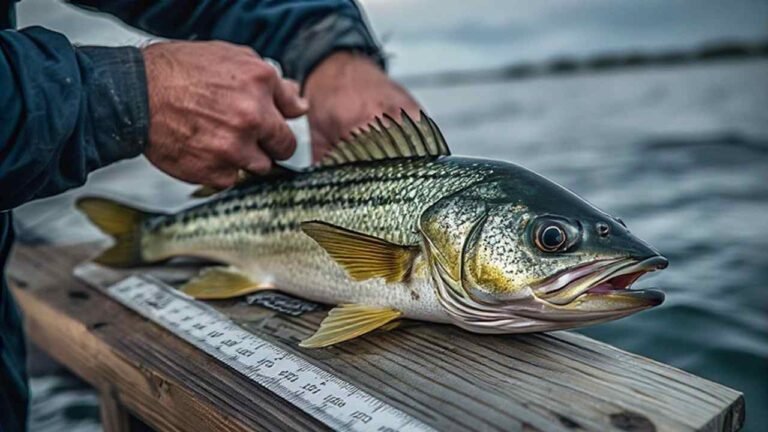
| Tidal & Coastal Waters | Year-round | Slot limits and gear requirements | Striped bass: 28″–31″ slot, 1/day; circle hooks required with bait |
| Connecticut River & Coves | Year-round | Trophy carp zones; shad allowances | Striped bass slot applies; shad harvest in CT River system only |
🐟 Housatonic River Note: From the Massachusetts border downstream to the Bleachery Dam in New Milford, all largemouth and smallmouth bass are catch-and-release only at all times. A 3-mile fly-fishing-only section near the Routes 4 and 7 corridor adds another layer for trout anglers.
🗓️ Connecticut’s 2026 Angling Calendar at a Glance
Rather than labeling these as traditional seasons, here’s how fishing activity and regulations actually shift across the year:
| Period | Active Species | Regulation Pattern | Special Notes |
|---|---|---|---|
| Jan–Feb (Ice & Cold Water) | Trout, Walleye, Perch, Smelt | Statewide harvest open (5 trout/day, 9″ min) | DEEP ice-stocks 40,000+ trout; smelt up to 50/day from lakes |
| Mar 1 – 2nd Sat. April | All species; trout C&R only | Zero-harvest window for trout statewide in rivers/streams | Trout stamp required in most premium waters |
| 2nd Sat. April – Aug 31 | Trout, Bass, Pike, Catfish, Carp | Primary harvest window; full creel limits apply | TMA sections shift to seasonal creel and size rules |
| Sep 1 – Nov 30 | Bass, Pike, Walleye, Trout (C&R in TMAs) | Post-summer transition; many TMAs revert to C&R | Atlantic salmon C&R only in Naugatuck/Shetucket/Housatonic until Dec 15 |
| Dec 1 – Dec 31 | Trout, Atlantic Salmon, Walleye | Year-end harvest window reopens for Atlantic Salmon (1/day from Dec 16) | Gear restrictions apply in Atlantic Salmon Management Areas |
🎯 Reading the Gamefish: Strategy, Biology & What You Need to Know
Largemouth and Smallmouth Bass 🐟 are the state’s most targeted freshwater species. Anglers focus on weedy lake margins, submerged structure, and river seams in warmer months. In lakes and the Connecticut River, a 12-inch minimum and six-fish daily possession allowance apply across the board. River and stream sections outside designated bass management zones carry no size minimum, which often surprises visitors expecting uniform rules. The Housatonic River’s full catch-and-release designation exists because the river functions as a self-sustaining wild fishery — harvesting from it would undercut a naturally regenerating population that DEEP has worked decades to protect. A common mistake anglers make is assuming the Housatonic’s lower tidal section near Derby follows the same rules as upstream — it doesn’t, and the regulations differ meaningfully below the Derby Dam.
Trout 🎣 are at the center of Connecticut’s biggest 2026 regulatory story. The new 9-inch statewide minimum is a conservation-first response to shrinking native brook trout habitat and declining numbers. Five fish per day is the standard daily creel limit from the second Saturday in April through the end of February, but the March window — when trout are spawning and most vulnerable — is strictly catch-and-release across the entire inland district. Many Wild Trout Management Areas go further, operating as year-round catch-and-release zones where only barbless, single-hook artificial lures or flies are permitted. Anglers often make the mistake of using standard treble-hook lures in these sections, which constitutes a violation regardless of whether a fish is retained.
Northern Pike and Tiger Muskie 🦈 occupy a niche but passionate segment of Connecticut’s freshwater fishery. These apex predators require a 26-inch minimum statewide and a two-fish daily possession cap. The biology behind this is straightforward — pike and muskie are slow-growing and late-maturing, meaning harvest of undersized fish removes individuals that haven’t yet contributed to reproduction. Waters like Bantam Lake, Little Pond, the Connecticut River, and Lake Lillinonah carry separate, stricter pike regulations; check the specific lake/pond page before heading out.
Walleye carry Connecticut’s most restrictive freshwater daily limit — just two fish, with an 18-inch minimum. The state’s walleye population is entirely stocking-supported in most waters, making conservative possession allowances essential for maintaining functional fisheries year over year.
🛑 Conservation Zones and Waters With Extra Layers
Not every body of water operates on the standard statewide template. These designations signal heightened protection and require extra attention before you cast:
- ☑️ Wild Trout Management Areas – Class 1: Catch-and-release only, year-round. Barbless, single-hook artificials or flies exclusively. Trout & Salmon Stamp required.
- ☑️ Wild Trout Management Areas – Class 2: Two trout/day maximum, 12-inch minimum. Stamp required.
- ☑️ Wild Trout Management Areas – Class 3: Five trout/day, 9-inch minimum. Stamp required.
- ☑️ Trout Management Areas (TMAs): High-quality river sections with seasonal C&R and creel caps. Common examples include the Farmington River (multiple sections) and the Housatonic River corridor.
- ☑️ Trout Parks: Frequently stocked accessible waters (state parks); 2-fish daily cap; managed for beginner and family access.
- ☑️ Trophy Common Carp Waters: Connecticut River, Farmington River tidal section, Coginchaug, Mattabesset, and others — slot rules apply (1 carp/day, 26″ maximum size).
- ☑️ Atlantic Salmon Management Areas: Naugatuck, Shetucket, and Housatonic River sections — gear restricted to single-hook artificials or flies from September 1 through March 31.
- ☑️ Enhanced Bow & Arrow Fishing Areas: Designated river sections (Thames, Connecticut River below Arrigoni Bridge, etc.) with elevated carp creel limits for bow anglers.
🐠 Low-Complexity Fisheries: Good Starting Points for New Anglers
| Species | Regulation Complexity | Common Location Type |
|---|---|---|
| 🐟 Panfish (Sunfish, Yellow Perch, Rock Bass, Crappie) | Open / No size or daily limit | Ponds, lake margins, urban parks |
| Bullheads (Brown & Yellow) | Open / No size or limit | Slow rivers, warm ponds |
| Channel & White Catfish | Flexible / 6/day general; 3/day in Community Fishing Waters | Stocked rivers, accessible ponds |
| Common Carp | Moderate / 5/day; 1 may exceed 30″ | Connecticut River, large lakes |
| White Perch | Open / No limit (most waters); 30/day with 7″ min in CT River | Tidal rivers, shoreline access points |
| American Shad | Moderate / 6/day in aggregate with Hickory Shad | Connecticut River system only |
🏞️ What You Can and Can’t Access
- Streambed ownership: In Connecticut, the bottom of a stream may be privately owned even if the water flows past public land. When uncertain, ask before wading.
- Public rights-of-way: Public fishing access is restricted to areas designated by posted signs or granted through cooperative agreements, leases, or state ownership.
- Boat launches: DEEP maintains multiple inland and coastal boat ramps. The Interactive Trout Stocking Map at CT DEEP’s website shows launch locations and recent stocking dates by water.
- Shoreline access: Shoreline rights differ by water type. Marine district shoreline is subject to Connecticut’s coastal access framework; inland shorelines require landowner permission unless a public access marker is present.
- Farmland and timberland: Crossing private agricultural or forested land to reach a river bank is not permitted without explicit landowner consent, regardless of whether the water itself is publicly accessible.
- Federal overlaps: Portions of the Quinebaug and Shetucket River heritage corridor involve multi-agency management. Respect posted signage and check for federal conservation area rules in those stretches.
🎟️ Before You Cast: Legal Checklist
- ✅ Any angler 16 or older fishing inland or marine waters must hold a valid Connecticut fishing license
- ✅ CT residents age 65+ qualify for a free annual inland and/or marine license (renewal required)
- ✅ Visitors and out-of-state anglers need a non-resident license; 3-consecutive-day options are available for both inland and marine districts
- ✅ A Trout and Salmon Stamp is required to fish many Wild Trout Management Areas, Trout Management Areas, and select special regulation waters — separate from the base license
- ✅ Youth under 16 do not need a license; a free Youth Fishing Passport is available through the DEEP licensing system
- ✅ Active military members may purchase a license at the resident fee regardless of home state
- ✅ Licenses purchased online are signed electronically — valid on a smartphone. Paper licenses from vendors must be physically signed
- ✅ No reporting obligation for recreational freshwater anglers under standard licenses; personal use lobster and gillnet permits require annual catch reports
- ✅ Free Fishing Days in 2026: May 9 (no license required), June 21, and August 8 (free 1-day license via the online system)
🧭 Tools Every Connecticut Angler Should Be Using
The 2026 CT DEEP Freshwater Fishing Regulations Guide is available as a free PDF download in English (Spanish version forthcoming) and is the definitive reference for all inland species rules, special water designations, and gear requirements. Beyond that static document, CT DEEP provides a live Interactive Trout Stocking Map showing the last date each waterbody was stocked — updated in real time by the Fisheries Division. For coastal anglers, the DEEP Marine Fisheries page tracks striped bass, summer flounder, scup, and black sea bass specifications as they’re updated by NOAA and the Atlantic States Marine Fisheries Commission. Annual fish population surveys and river/stream community monitoring reports are also published by DEEP and offer insight into why specific water regulations are structured the way they are.
For comparison with how other states approach freshwater management, California’s freshwater harvest framework and possession rules offers a useful contrast given its similarly complex tiered system across diverse water types.
❓ Real Questions Connecticut Anglers Are Actually Asking
Can I fish for trout anywhere in March?
Yes — trout fishing remains open year-round in Connecticut, but from March 1 through 6:00 a.m. on the second Saturday of April, all trout in rivers and streams must be released. Certain exceptions apply to tidal waters, sea-run trout streams, and specific designated sections. Always verify the rules for the specific water you’re targeting.
Do I need a stamp just to fish the Farmington River?
If you’re fishing any section of the Farmington River designated as a Trout Management Area or Wild Trout Management Area, yes — a Trout and Salmon Stamp is required in addition to your base fishing license.
I caught a striped bass in a tidal river — what are the rules?
Striped bass in all Connecticut waters must fall within the 28-to-31-inch slot. Fish under 28″ or at 31″ or more must be released without injury. The daily limit is one fish. If you’re using bait, circle hooks are required by law. For the latest federal updates on Atlantic striped bass, the Atlantic States Marine Fisheries Commission publishes ongoing coastwide management updates.
Is there any free fishing in 2026?
Three times: May 9 (no license at all required), June 21, and August 8 (free 1-day license available via the online system). These are ideal dates for introducing newcomers to the sport.
Can I keep bass I catch in the Housatonic River?
No. From the Massachusetts state line downstream to the Bleachery Dam in New Milford, all largemouth and smallmouth bass are catch-and-release only, with no exceptions.
What’s the deal with the new 9-inch trout rule?
Effective January 1, 2026, no trout of any variety — brook, brown, rainbow, tiger, or lake — may be kept unless it measures at least 9 inches. Many waters already had stricter rules; this new minimum establishes a statewide protective floor with the goal of rebuilding native brook trout populations that have declined significantly.
I’m visiting from out of state — do I need a separate license for both inland and saltwater?
Yes, if you plan to fish both districts. Connecticut separates inland and marine fishing licenses. Non-residents can purchase an All Waters license covering both, or individual district licenses. Three-consecutive-day options are available for shorter visits.
🗺️ Well-Known Connecticut Waters Under the 2026 Framework
Housatonic River is Connecticut’s most iconic managed fishery — a long ribbon of cold water running through Litchfield County that has built a national reputation for quality trout fishing. The river’s two Trout Management Areas are fully catch-and-release, with fly-fishing-only restrictions in the three-mile section near the Routes 4 and 7 corridor. Bass throughout the entire managed stretch are catch-and-release only. The atmosphere here skews technical and serious — wading anglers, drift-boat guides, and experienced fly fishers form the majority of the crowd. Regulation tone: strict throughout.
Farmington River carries a layered management structure across multiple distinct sections, ranging from catch-and-release-only segments near Goodwin Dam to harvest-permitted sections further downstream. Its reputation as a blue-ribbon trout stream attracts anglers across New England. The river runs clear and cold, fed by cold tailwaters from Hogback Dam, sustaining brown and rainbow trout well into summer. Regulation tone: moderate to strict depending on section.
Connecticut River is the state’s largest and most diverse fishery — a system where largemouth bass, northern pike, walleye, channel catfish, common carp, striped bass, American shad, and even Atlantic salmon move through in different seasons. It functions under special trophy carp water rules and enhanced bow fishing allowances in its lower reaches. It’s an accessible water for anglers of nearly every style and skill level. Regulation tone: moderate, with select special zones.
Candlewood Lake — Connecticut’s largest lake — draws anglers year-round, with ice fishing for perch and bass being particularly popular in winter months. Its size and depth create distinct habitat zones, and largemouth bass fishing here is consistently productive from late spring through fall. Regulation tone: generally flexible, standard lake rules.
Lake Zoar, formed by the Stevenson Dam on the Housatonic River, offers a state-maintained boat launch and excellent bass and pickerel fishing in a scenic reservoir setting. Its connection to the Housatonic watershed means water quality is closely monitored. Regulation tone: moderate — standard lake possession allowances with attention to its dam-influenced flow.
If you fish other states and want to cross-reference how structured regulation systems vary regionally, the Arkansas freshwater angling rules and harvest limits guide provides a useful baseline for understanding how Ozark-region management differs from New England approaches.
✅ The Angler’s Responsibility Doesn’t End at the Waterline
Connecticut’s 2026 harvest framework rewards preparation. The most important takeaway isn’t a specific date or number — it’s the understanding that each rule exists because a fish population depends on it. The new trout size standard is the clearest example: a single statewide change prompted by real data about a species under pressure. Major open-water periods run from mid-April through late February for most species, with the late winter and ice periods offering legitimate harvest opportunities for trout, walleye, and smelt that many casual anglers overlook entirely.
Conservation compliance here isn’t passive. Check the specific waterbody you’re targeting — not just the species page — because overlapping management designations mean two anglers fishing 200 yards apart on the same river may be operating under different rules. Use the DEEP’s digital tools, download the current regulation guide, and if you’re unsure, call the Fisheries Division directly before your trip. Responsible angling keeps Connecticut’s waters productive for the people fishing them today and the ones who’ll fish them twenty years from now. 🎣
Regulations subject to change. Always verify current rules at the official CT DEEP Fishing Regulations page before your trip.