Arkansas 2026 Update on Fishing Rules: Legal Catch, Size Limits & Changes
Arkansas isn’t just passing through territory—it’s a destination fishery. From the cold-water clarity of tailrace systems to sprawling reservoirs and meandering delta rivers, the state’s fishing framework balances public access with biological stewardship. The 2026 regulations reflect ongoing habitat assessments, stocking programs, and angler feedback loops. This guide breaks down what you need to know before your line hits the water, organized not by predictable categories, but by the way anglers actually plan their trips.
🌊 The Big Picture: How Arkansas Manages Its Fisheries
Arkansas’ fisheries policy operates on biological cycles, not calendar convenience. Regulations emerge from spawning data, predator-prey balance studies, and carrying capacity assessments conducted across more than 600,000 fishable acres. The Arkansas Game and Fish Commission doesn’t set rules arbitrarily—they’re responding to population dynamics in real time.
The state divides management strategies into several overlapping frameworks:
- Harvest-oriented systems for abundant species like crappie and certain catfish populations
- Quality-focused programs targeting trophy bass and muskie development
- Put-and-take stocking in urban ponds and high-access lakes
- Wild fishery protection in select stream corridors
Water chemistry, thermal stratification, and forage availability shift dramatically between the Ozark Plateau and the Mississippi Delta. Regulations reflect these ecological zones rather than forcing statewide uniformity. Understanding this approach helps anglers anticipate why certain limits exist and where flexibility appears.
📍 Where Rules Change (Regional Variation Overview)
Arkansas doesn’t apply one-size-fits-all harvest standards. The regulatory landscape shifts based on water type and ecological function.
| Water Category | Typical Open Period | Harvest Style | Notable Differences |
|---|---|---|---|
| Highland Reservoirs | Year-round for most species | Daily bag caps with slot protections on bass | Trophy designations on select lakes |
| Tailwater Trout Systems | Continuous with gear restrictions | Size-based harvest windows | Catch-and-release zones common |
| Delta Oxbow Lakes | Open year-round, species-specific closures | Generous possession limits | Turbidity affects access timing |
| White River Corridor | Follows federal + state overlap rules | Strict on paddlefish, flexible on catfish | Snagging regulations vary by stretch |
| Small Impoundments | Fully accessible, often stocked | Simplified daily limits | Frequently restocked with channel catfish |
The most restrictive zones typically surround spawning tributaries during reproductive windows. The most permissive areas tend to be community fishing lakes designed for family outings and beginner access.
🗓️ The 2026 Angling Calendar at a Glance
Rather than dividing by traditional seasons, here’s how fishing opportunities unfold across the year:
| Period | Active Species Focus | Regulation Pattern | Special Notes |
|---|---|---|---|
| January–February | Trout (tailwaters), crappie (pre-spawn staging) | Standard limits, artificial lure zones enforced | Cold-weather trout fishing peaks; jigging focus |
| March–April | Bass (pre-spawn), walleye, white bass runs | Protected slot limits on bass; run-specific rules for whites | Spring spawning closures on select tributaries |
| May–July | Catfish, bluegill, gar | High daily limits; gar bow-fishing window opens | Warmwater species dominate; night fishing popular |
| August–October | Bass (fall feeding), hybrid stripers | Slot limits remain; striper harvest windows active | Reservoir thermoclines break down; topwater action |
| November–December | Trout (fall stockings), crappie (deep structure) | Reduced pressure, standard regulations hold | Holiday stocking events in urban lakes |
This structure avoids the “spring means bass, summer means catfish” oversimplification. Arkansas anglers know that fall can outfish spring depending on target species and water temperature shifts.
🎯 Targeting Popular Game Fish
Largemouth and Smallmouth Bass 🐟
Arkansas bass populations receive intensive management, particularly in highland reservoirs like Greers Ferry and Ouachita. Slot limits protect mid-sized breeding stock while allowing harvest of smaller fish and true trophies. Anglers often misunderstand the purpose of these slots, assuming they’re meant to boost numbers. In reality, they’re designed to concentrate genetic quality in the 15-to-18-inch range, which ensures consistent spawning success.
Smallmouth bass in the Buffalo National River and select Ozark streams face stricter protections. These wild populations lack the resilience of reservoir stocks, so catch-and-release ethics dominate, even where limited harvest is technically legal. The biological reasoning is simple: smallmouth grow slower in nutrient-poor, high-gradient streams, and removing even a few mature individuals disrupts year-class stability.
Trout Across Tailwater and Spring Creeks 🎣
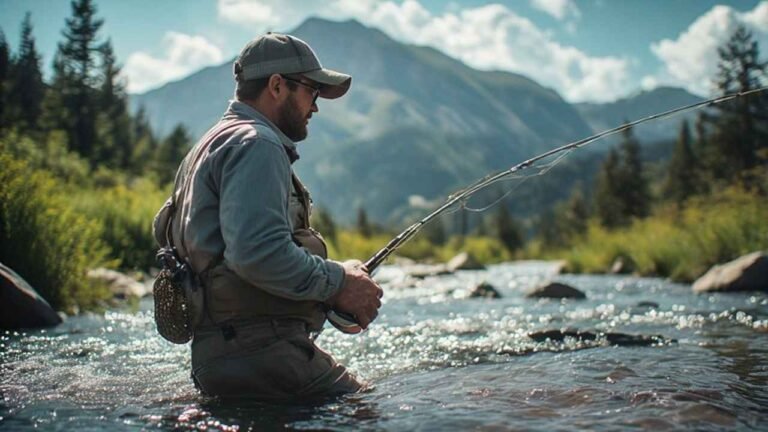
The White River, Little Red River, and North Fork systems host world-class trout fisheries supported by cold-water dam releases. Regulations vary by river segment. Some stretches enforce artificial lures only, while others permit natural bait. Size limits typically protect trout in the 14-to-20-inch range, which are prime spawners despite being stocked, as natural reproduction occurs in stable gravel zones.
Anglers frequently ignore gear restrictions, assuming “trout are trout.” But bait fishing in fly-only zones results in citations, and enforcement is consistent. The distinction exists because bait-caught trout suffer higher release mortality, undermining conservation goals in trophy sections.
Crappie in Brush Piles and Flooded Timber 🐠
Crappie fishing drives much of Arkansas’ early spring tourism economy. Regulations remain generous—daily limits accommodate family-style harvest—but the state monitors populations closely. In years where spawn success drops due to late freezes or flooding, temporary possession limits may tighten mid-season. This adaptive management style keeps crappie fishing sustainable without restricting access preemptively.
Savvy anglers track AGFC stocking reports and population surveys rather than relying solely on printed regulations. Biological feedback loops matter more than static rule sets.
Catfish: Blues, Channels, and Flatheads
Arkansas’ catfish populations support both recreational and commercial harvest. For anglers, daily limits are liberal, but certain lakes enforce special rules on blue catfish to protect forage balance. Flathead catfish, being apex predators, sometimes face tighter restrictions in waters where they’ve been introduced and threaten native species.
Jug fishing and limb lining are legal under specific equipment rules, but anglers must tag their gear and check it within designated timeframes. Neglected trotlines create enforcement issues and ethical concerns, so compliance here matters both legally and socially.
🛑 Waters With Extra Restrictions
Some Arkansas fisheries operate under enhanced regulatory frameworks to achieve specific conservation or trophy outcomes:
✅ Greers Ferry Lake – Slot limits on largemouth bass; emphasis on walleye and striped bass quality
✅ Buffalo National River – Catch-and-release encouraged; strict size limits on smallmouth
✅ White River (trophy section) – Artificial lure-only zones; trout slot protections
✅ Lake Ouachita – Special bass slot; striped bass harvest rules
✅ Beaver Lake – Seasonal closures on tributary arms during spawn
✅ North Fork White River – Fly-fishing-only stretches; barbless hook requirements
✅ Lake Conway – Urban fishery with modified limits for accessibility
These waters aren’t off-limits—they’re managed for quality over quantity. Understanding the “why” behind these rules helps anglers appreciate the biological investment rather than viewing them as red tape.
🐠 Accessible Fishing for Casual Anglers
For families, travelers, or those new to Arkansas fishing, certain species and locations offer low-barrier entry:
| Species | Regulation Simplicity | Common Location Type |
|---|---|---|
| Bluegill/Sunfish | Generous daily limits; open year-round | Urban ponds, small impoundments |
| Channel Catfish | High bag limits; minimal size restrictions | Community lakes, stocked regularly |
| Rainbow Trout (put-and-take) | Standard harvest allowed | Public access tailwaters, spring creeks |
| White Bass (during runs) | High daily caps; short seasonal window | River tributaries, spillways |
| Gar (alligator/longnose) | No closed season; bow-fishing popular | Lowland rivers, oxbow lakes |
These fisheries prioritize participation over trophy management, making them ideal for anglers who value action and table fare over release rates. For those interested in similar beginner-friendly opportunities in neighboring states, Alabama fishing regulations offer comparable frameworks for accessible angling.
🏞️ Access & Property Considerations
Arkansas follows a navigable waters doctrine, meaning rivers and streams classified as navigable are public up to the high-water mark. However, “navigable” has specific legal definitions, and anglers should verify status before accessing private-looking stretches.
Key access principles:
- Public boat ramps are clearly marked; parking fees may apply
- Wading below the high-water mark is legal on navigable streams, even through private land
- Crossing private property to reach water requires landowner permission unless a public easement exists
- Timber company lands may allow access with permits; check signage and regulations
- Wildlife Management Areas (WMAs) provide extensive fishing access but may close during hunting seasons
Trespassing violations result in fines and potential gear confiscation. When in doubt, use established access points and avoid assuming rights based on water visibility.
🎟️ Permit Requirements
Before casting in Arkansas, ensure compliance with these legal checkpoints:
- Arkansas Fishing License required for ages 16–64 (residents and nonresidents)
- Trout Permit mandatory when fishing designated trout waters, regardless of target species
- Youth Exemptions apply to anglers under 16; no license required
- Senior Exemptions available for residents 65+ or with disability status
- Nonresident Multi-Day Permits offered for short visits (1-day, 3-day, 7-day options)
- Free Fishing Days typically occur twice annually; check AGFC announcements
- Reporting Requirements for certain tournament anglers and commercial operations
Licenses can be purchased online, at retailers, or through the AGFC mobile app, which also provides digital regulation access and real-time updates.
🧭 Planning Tools Anglers Should Know About
Arkansas provides robust resources for trip planning and regulation verification:
- AGFC Fishing Guidebook – Comprehensive annual publication with detailed maps and rule tables
- Interactive Regulation Lookup – Online tool allowing searches by water body and species
- Stocking Schedules – Published weekly; shows recent trout, catfish, and hybrid striper releases
- Lake Level Data – Real-time monitoring for reservoir systems; affects access and fish behavior
- Public Land Atlas – Maps showing WMAs, boat ramps, and access easements
- Fish Population Reports – Annual surveys detailing species health, size distribution, and trends
Cross-referencing these tools prevents rule violations and improves fishing success. The Arkansas Game and Fish Commission’s official site centralizes most of these resources in one accessible hub.
🤔 Common Questions Arkansas Anglers Actually Ask
Can I keep a trout and a bass on the same outing if I’m fishing a tailwater?
Yes, as long as you possess both a general fishing license and a trout permit. Daily limits apply to each species independently, and you must adhere to size and slot restrictions for both.
Are paddlefish snagging seasons still active in 2026?
Paddlefish snagging remains legal during designated windows on approved rivers, but requires a special paddlefish permit in addition to a standard license. Harvest reporting is mandatory within 24 hours.
What happens if I catch a fish in a slot limit—do I have to release it immediately?
Protected slot fish must be released promptly. Photographing for measurement is acceptable, but culling—keeping a fish temporarily then releasing it after catching a better one—is illegal if it exceeds possession limits.
Can I use live bait in all Arkansas trout streams?
No. Certain segments of the White River, Little Red River, and North Fork systems enforce artificial lure-only rules. Check zone-specific regulations before rigging live bait.
Is bowfishing legal for game fish like bass or walleye?
Bowfishing is restricted to non-game species such as gar, carp, and buffalo. Shooting game fish, even if caught and released, violates harvest regulations.
Do I need a license to fish private ponds?
If the pond is entirely on private property and not connected to public waters, technically no state license is required. However, landowner permission is mandatory, and ethical anglers often carry a license regardless.
Are there any free public fishing areas that don’t require trout permits?
Yes. Community lakes and many small impoundments are trout-permit-free zones even if stocked occasionally. The trout permit applies only to designated trout waters listed in the guidebook.
🗺️ Well-Known Waters Under the 2026 Framework
Lake Ouachita – Often called the South’s clearest lake, Ouachita supports striped bass, largemouth, smallmouth, and walleye. Regulations lean toward quality management, with slot limits protecting mid-range bass and encouraging catch-and-release practices among trophy hunters. The lake’s deep, cold-water zones make it a year-round fishery.
Greers Ferry Lake – A hybrid striper and walleye hotspot, Greers Ferry applies moderate to strict regulations depending on species. Bass anglers appreciate the slot system, while striper enthusiasts enjoy generous limits. The lake’s clear water demands finesse techniques, and its reputation draws anglers from across the region.
White River (Below Bull Shoals Dam) – Among the most famous trout rivers in North America, the White River’s trophy sections enforce artificial lure-only zones and barbless hooks. Wild rainbow and brown trout coexist with stockers, creating a diverse fishery. Regulations here prioritize conservation over harvest, and catch-and-release culture dominates.
Buffalo National River – A federally protected waterway, the Buffalo offers wild smallmouth bass fishing in a scenic, undeveloped corridor. Regulations are moderately restrictive, with size limits and low daily caps to protect wild stocks. Float fishing and wading are equally popular, and the atmosphere leans heavily toward conservation ethics.
Millwood Lake – Known for giant largemouth bass and abundant crappie, Millwood operates under flexible regulations that allow family-style harvest while protecting trophy-class fish. The lake’s flooded timber and oxbow connections create complex habitat, and anglers often target multiple species in a single trip.
If you’re planning to explore fisheries beyond Arkansas, Arizona’s fishing regulations offer a contrasting desert reservoir experience, while Alaska’s frameworks showcase wilderness-focused management.
✅ 2026 Takeaway Summary
Arkansas fishing in 2026 reflects a conservation-first, access-conscious management philosophy. Regulations aren’t obstacles—they’re tools that sustain fish populations, balance ecological pressures, and ensure future generations inherit healthy waters. Whether you’re targeting trophy trout in tailwaters, chasing spring crappie in flooded timber, or introducing kids to bluegill fishing at a community lake, understanding the regulatory framework improves outcomes.
Key reminders: verify species-specific rules before you fish, respect slot limits and gear restrictions, and utilize AGFC resources for real-time updates. Arkansas rewards preparation and ethical angling with some of the most diverse freshwater fishing in the United States. Tight lines, responsible harvests, and respect for the resource will keep these fisheries thriving for decades to come. 🎣