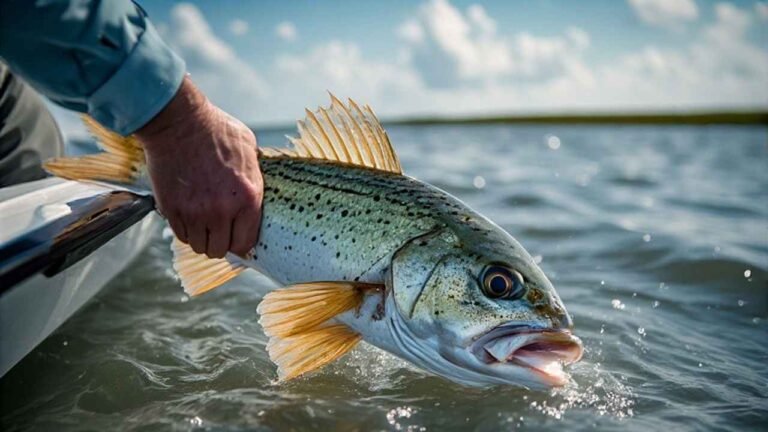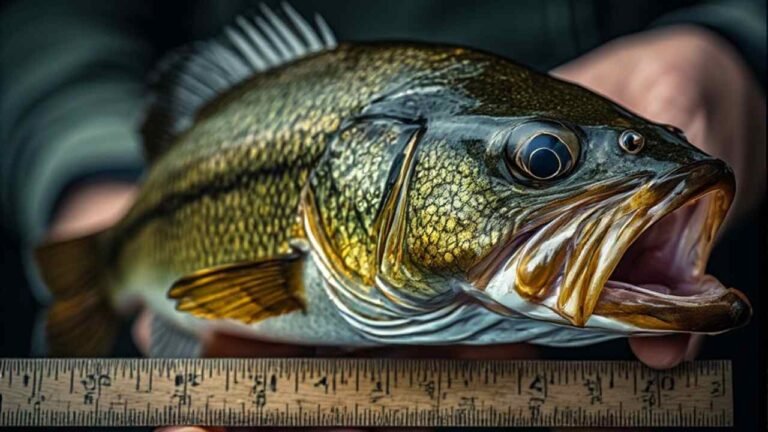
Alaska 2026 Fishing Rules Guide: Limits, Legal Methods, and Key Changes
Alaska runs a managed fisheries system that behaves less like a single rulebook and more like a living network: rivers, lakes, and saltwater zones are tuned differently depending on run strength, spawning needs, and in-season data. That’s why two places an hour apart can feel like two different “countries” of fishing law—and why checking updates matters as much as tying the right knot.
A big 2026 reality: Alaska’s regulations often move during the year through Emergency Orders (openings, closures, reduced retention, gear changes). If you travel here, plan around flexibility, not certainty. For saltwater anglers, federal halibut rules also layer on top of state sport rules, including how you can fish, what you can keep, and how fish must remain identifiable on board. NOAA’s halibut sport fishing page is the cleanest reference for the federal side (and it explicitly outlines gear limits, possession allowances, and the Feb 1–Dec 31 halibut window).
🌊 The Big Picture: How Alaska Manages Its Fisheries
Alaska’s conservation-first approach is built around biology and escapement, not convenience. In plain terms: managers want enough fish to reach spawning grounds, and they change public harvest rules to protect that goal. This is why “regulated catch windows” can tighten overnight, especially for salmon.
A few principles shape nearly everything you’ll read in the 2026 framework:
Harvest is not equal across waters. A glacial river pushing salmon is managed differently than a small spring creek holding wild trout.
Regulations protect “future fish,” not just today’s fish. Slot limits and protected ranges are designed to keep prime breeders in the water. (Think: protect large trout, or protect mid-sized halibut on certain charter patterns.)
Federal + state overlap is normal. The moment you’re offshore for species like halibut, you’re also in a federal rule space, with requirements like keeping fish in recognizable pieces on the vessel.
In-season changes are part of the system. Alaska Department of Fish and Game (ADF&G) uses Emergency Orders and press releases to open/close areas and adjust retention when returns are weak or strong (this is especially common in salmon fisheries). ADFG Emergency Orders hub
📍 Where Rules Change (Regional Variation Overview)
Instead of treating Alaska like one big “statewide rule,” use this comparison grid to understand where regulations typically diverge. (Always verify your exact drainage/area before fishing.)
Regional rules snapshot
| Water Type | General open periods (typical pattern) | Harvest style you’ll commonly see | Notable rule differences you’ll actually feel |
|---|---|---|---|
| Inland lakes | Many are open broad portions of the year; some stay open into cold months | Daily caps, occasional slot protections; stocked lakes often simpler | Urban/roadside stocked lakes can be more beginner-friendly; remote trophy lakes may be tighter |
| Rivers & tributaries | Often strongest from late spring through early fall, but varies by drainage | Mix of retention + catch-and-release, bait bans in select waters, single-hook rules in some zones | Spawning protections can close stretches; some rivers change rules by section (upper vs lower) |
| Reservoir systems (where applicable) | Generally follows nearby river/lake patterns | Often conservative around forage/stocking goals | Access provisions can be more defined (launch points, shoreline corridors) |
| Coastal / saltwater | Long open windows for many species; halibut has a clearly defined federal season | Possession allowances and on-board handling rules are strict; charter rules can differ by area | Federal halibut rules: gear restrictions (single line, limited hooks), and fillet/skin-on requirements on board NOAA Fisheries |
Quick traveler takeaway: inland stillwaters often read “simpler,” rivers read “surgical,” and saltwater reads “layered” because federal rules may apply.
🗓️ The 2026 Angling Calendar at a Glance
Here’s a vertical, trip-planning timeline (not a traditional season-by-season recap). It’s designed for beginners to quickly see what tends to happen when, and what regulation patterns you should anticipate.
Timeline table (vertical planning view)
| Time block | Active species you’ll hear people chasing 🎣 | Typical regulation pattern | Special notes that trip people up |
|---|---|---|---|
| Early-year opportunities | Halibut offshore 🦞🐟, winter lake species (where safe ice access exists) | Saltwater often open broadly; freshwater depends heavily on location | Halibut season is Feb 1–Dec 31 federally; how fish must be kept identifiable onboard matters NOAA Fisheries |
| Mid-year peak windows | Salmon runs (multiple species), plus trout/char behind spawning fish 🐠 | Fast-moving Emergency Orders; retention rules can tighten | Some salmon fisheries can change overnight; always check ADF&G updates before you drive to a river |
| Late-year shifts | Coho-focused fisheries, trout/char feeding periods | More catch-and-release on sensitive trout waters; selective gear becomes common | Some waters close to protect fall spawners; “open water still fishable” doesn’t always mean “retention allowed” |
| Cold-weather fisheries | Ice fishing where safe; burbot/lake trout/pike-style options in some areas 🦈 | Many stillwater rules remain, but access and safety dominate | Don’t assume every lake is open; closures and special rules can apply even in winter |
🎯 Targeting Popular Game Fish
A quick correction for travelers: Alaska isn’t really a “bass state,” and you shouldn’t plan a 2026 trip around largemouth/smallmouth the way you might in the Lower 48. Your “game fish” strategy here is typically salmon, trout/char/grayling, pike, lake trout, and offshore halibut.
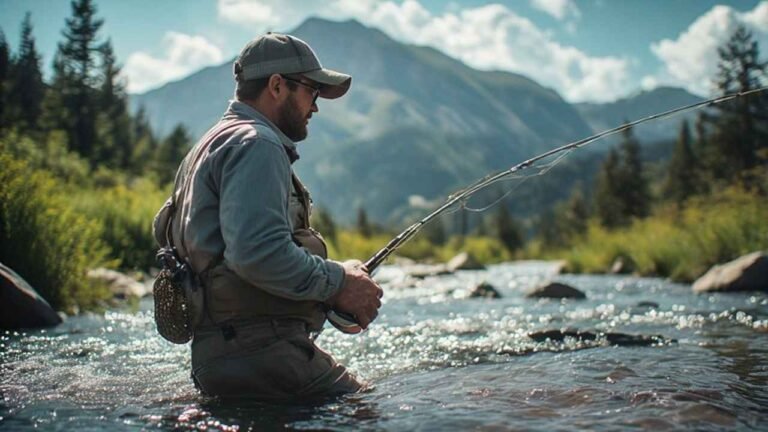
Rainbow trout are where regulation and biology intertwine the most. Anglers focus on clear rivers and famous systems where trout feed aggressively around salmon activity. The regulation style is often selective—catch-and-release is common in high-value trout waters—because big wild trout are slow to replace. The most common mistake is treating a trophy-trout river like a “keep a couple for dinner” stream and not realizing retention can be prohibited or restricted to protect the breeding backbone.
Arctic char and Dolly Varden fishing looks simple until you realize some waters protect certain sizes or limit retention to keep sea-run genetics strong. Anglers usually find them in colder rivers and lake outlets, and the regulation tone often encourages careful harvest rather than heavy harvest. The classic error is rough handling—char released in poor condition don’t do well, and some areas use single-hook or gear restrictions to reduce release mortality.
Northern pike are the oddball: in parts of Alaska, managers want them reduced where they threaten salmon systems. That’s a biological “why” you can feel in the rules—more liberal harvest frameworks show up in waters where pike aren’t native or are considered harmful. The mistake beginners make is under-tackling them (light leaders, no bite protection), then losing fish and leaving hooked pike swimming around.
Lake trout are long-lived and slow-growing, which is why Alaska managers often use conservative patterns or protected ranges on certain lakes. Anglers target deep, cold water (open water or through ice), and regulations may emphasize protecting prime breeding classes. The common mistake is keeping the biggest fish because it’s the “trophy,” when in many trophy-lake ethics (and sometimes rules) the better conservation move is selective harvest or release.
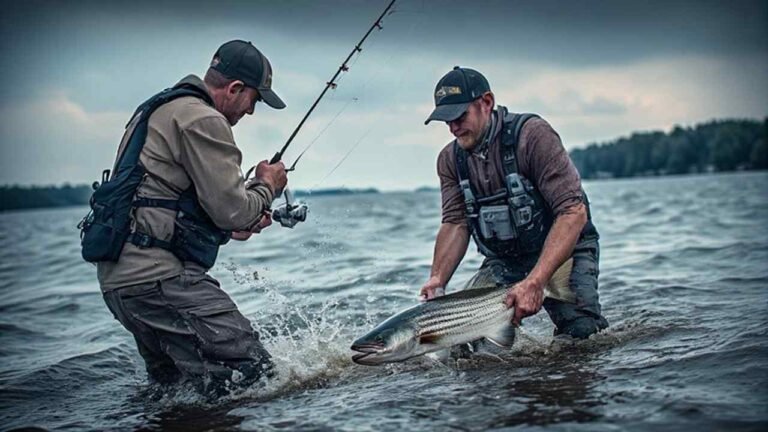
Halibut rules feel strict because they are—especially around handling, gear, and possession limits. Offshore anglers focus on coastal communities and charter access, but the regulation framework exists because halibut are heavily managed across international and federal systems. A frequent mistake is filleting too early or in the wrong way on a vessel; federal rules require fish remain in recognizable pieces with skin attached in specific ways.
🛑 Waters With Extra Restrictions
Use this checklist as a “red flag scanner” before you assume your usual approach is legal:
- Trophy management zones (often trout-focused; retention may be heavily limited or prohibited)
- Artificial lure-only stretches (to reduce deep hooking and protect wild fish)
- Protected spawning reaches (closures by date or by river section)
- Permit-based fisheries (limited entry to control pressure)
- Draw / tag systems for certain high-demand opportunities
- Charter-specific saltwater rules (especially for halibut in certain regulatory areas)
If a water is famous on social media, assume there’s a decent chance it also has extra regulation scaffolding.
🐠 Accessible Fishing for Casual Anglers
“Low-Complexity Fisheries” mini-grid (intentionally different style)
| Good-for-beginners target | Regulation simplicity | Common location type |
|---|---|---|
| Stocked trout 🐟 | General / straightforward | City or roadside stocked lakes |
| Dolly Varden / char 🐠 | Flexible (varies) | Lake outlets, colder rivers near access points |
| Pike 🦈 | Often open & permissive | Weedy lakes, slow sloughs (Interior-style waters) |
| Shore halibut/nearshore salt species 🎣 | Moderate | Beaches, docks, protected coastal access (check local + federal overlays) |
🏞️ Access & Property Considerations
- Navigable waters often come with public-use expectations, but stay aware of the ordinary high-water mark boundaries.
- Boat launch rights ≠ shoreline rights everywhere—some access corridors are defined, others are not.
- Use public access markers and designated easements when present.
- Treat private land boundaries seriously; Alaska is a patchwork including private and Native corporation lands in some regions.
- Avoid “shortcut logic” across timberland or farmland; crossing without permission can still be trespass even if the river is public.
- Watch for federal overlaps (refuges, parks, special management areas) that can add extra restrictions beyond the basic sport rules.
🎟️ Permit Requirements
Before You Cast: Legal Checklist ✅
- Residency status: resident vs nonresident rules apply to licensing and some participation categories
- Age considerations: Alaska has youth-friendly thresholds (many kids fish without a standard license requirement)
- Visitor passes: short-duration licenses exist (great for travelers)
- Endorsements: certain species opportunities may require additional documentation (commonly discussed for king salmon in Alaska sport systems)
- Reporting obligations: some fisheries require harvest recording/documenting retained fish, especially in tightly managed systems
- Saltwater reality: halibut rules may require specific on-board handling practices and possession compliance NOAA Fisheries
For additional perspective (and to keep your travel brain calibrated across states), you can compare how another state summarizes rules and limits in a more traditional way via Alabama fishing rules and limits—it’s a useful contrast when you realize how Alaska relies more heavily on in-season updates.
🧭 Planning Tools Anglers Should Know About
If you only bookmark two Alaska tools, make them these:
- ADF&G sport fishing regulations hub (your launch point to the correct region and current summaries): Alaska sport fishing regulations portal
- Emergency Orders / News Releases (the “what changed this week” engine): ADFG Emergency Orders hub
Then add these as “trip polish” tools:
- Official regulation booklets (regional PDFs are often easier than scrolling on a phone) via ADF&G regulation pages
- Digital regulation lookup habits: always confirm drainage + section + species + method
- Stocking reports (especially useful for urban/roadside lakes) from ADF&G resources
- Fish population surveys / harvest surveys (helps you choose realistic targets, not just famous names)
Alaska Fishing FAQs
1. Do I need a fishing license?
When fishing, locals 18 years of age and older and nonresidents 16 years of age and older must have a current Alaska fishing license. To target Chinook salmon on a daily basis, a King Salmon Stamp is also required. A free harvest record card is required for children under certain ages.
2. What are the best times to fish?
Summer (June-August) is the best time of year for most roadside access, such as the Kenai River, while May through October are the peak months for salmon and other species. May through September is the busiest time of year for halibut fishing, with calmer waters in June and August. Because silvers peak in the fall and sockeye peak in the middle of summer, check runs particular to each species.
3. What species can I catch?
In addition to halibut, rainbow trout, Dolly Varden, and other fish, Alaska is home to five different species of salmon: Chinook/king, coho/silver, sockeye/red, pink/humpy, and chum. Halibut and rockfish may be found at ocean places; salmon, trout, and whitefish can be found in the Kenai River. In rural places, halibut are the main source of subsistence.
4. What are daily bag limits?
Sport limits vary, such as 1-2 halibut (one ≤26″), 2-3 coho depending on the season, and 3 sockeye per day on Kenai. In Areas 3A/3B, subsistence halibut is 20 per person per day; in Area 4CDE, there is no cap. Always use ADF&G to confirm current registrations, as they account for runs.
5. What gear is allowed?
Sport: fly rods 8-12 wt for salmon; spinners, bait, flies, and rods/reels according to local regulations. Halibut for subsistence: setline, handline, rod/reel, and spear (hook limits: 30/vessel in 2C, for example). For subsistence halibut, power trolling is prohibited.
6. Where is prime fishing located?
- Roadside: Kenai Peninsula (Kenai/Kasilof Rivers for salmon/trout).
- Halibut: Cook Inlet (Deep Creek, Homer), Prince William Sound (Seward).
- Remote: fly-in for silvers or Bristol Bay sockeye; vast coastline for sport.fisheries.
7. How do regulations differ for subsistence?
Requires SHARC for Native tribes and rural dwellers; there are no age or gear/harvest restrictions per region. Sales and bartering are prohibited; sharing is only permitted on charters. Reports are encouraged; keep sport and commercials apart.
🗺️ Well-Known Waters Under the 2026 Framework
The Kenai River’s reputation is global: salmon fame plus trout that make fly anglers shaky-handed. The regulation tone here often feels strict-to-moderate, not because managers dislike anglers, but because pressure is intense and salmon runs can be volatile. Expect a “check today’s update” mindset, and be prepared for selective methods and fast-moving changes depending on run performance.
Bristol Bay-area waters are spoken of like mythology—massive trout, huge salmon biomass, and a wilderness atmosphere that changes how you fish. The management feel is often conservation-heavy in trophy contexts, with an emphasis on protecting the fishery that makes the region famous. It’s less about “easy limits” and more about preserving the engine.
Southeast Alaska’s saltwater scene—around ports like Sitka, Juneau, and Ketchikan—has a flexible, opportunity-rich vibe for travelers, but halibut and other saltwater rules can be layered (state + federal + charter specifics). The atmosphere is working-waterfront meets bucket-list fishing, and the regulation posture is “keep it legal on the boat,” especially regarding possession and processing.
Interior Alaska lakes near the road system (Fairbanks-accessible areas, for example) feel more relaxed in tone for casual anglers chasing pike and stocked trout, but the access/safety considerations can be more dominant than the regulation text. The vibe is practical: fishable water, fewer crowds, and a lot of DIY spirit.
✅ 2026 Takeaway Summary
Alaska’s 2026 fishing framework rewards anglers who treat regulations like navigation: you check them often, you confirm your location precisely, and you expect course corrections. Most open-water opportunity clusters around mid-year windows for salmon and trout/char action, while saltwater options (including halibut) run under longer calendars with important federal handling and possession requirements.
If you remember one rule: don’t “memorize Alaska,” verify Alaska—especially through ADF&G’s regulation portal and Emergency Orders feed. Fish thoughtfully, keep only what the rules truly allow, and you’ll be part of the conservation chain that keeps Alaska wild and fishable for the next traveler with a rod tube and a plan. Alaska sport fishing regulations portal