Florida Fishing Rules in 2026: Statewide Limits, Legal Gear & New Laws
Florida’s waterways have never been more carefully watched — or more worth fishing. From the cypress-shadowed lakes of the interior to the grass flats shimmering off the Gulf Coast, the Sunshine State runs one of the most complex and biologically responsive managed fisheries systems in North America. And 2026 is a year of meaningful updates that every angler, from first-timer to weekend regular, needs to understand before dropping a line.
🌊 How Florida Balances Its Fisheries Across a Divided Landscape
Florida doesn’t manage fish the way most states do. Because it sits at the crossroads of subtropical and temperate ecosystems, runs two distinct coastlines, and holds thousands of inland water bodies — from massive natural lakes to engineered reservoirs — the Florida Fish and Wildlife Conservation Commission (FWC) has developed a layered, ecosystem-aware approach to fisheries governance.
Rather than applying blanket rules across the board, the FWC calibrates harvest frameworks around population surveys, spawning biology, water quality indices, and regional fishing pressure. Saltwater rules account for the difference between Gulf waters (extending 9 miles offshore) and Atlantic waters (extending 3 miles), while freshwater regulations respond to individual lake and river health.
The philosophy is clear: protect what drives the fishery forward, allow what the populations can sustain, and adjust quickly when the data demands it. 2026 carries forward that philosophy — and adds several important new components that reshape how anglers target some of Florida’s most beloved species. 🐠
📍 Where the Rules Shift: A Region-by-Region Snapshot
Florida’s size demands a regional lens. What’s legal on a Gulf-facing flat is often different from what’s permitted in a northern tributary, and conservation zones embedded within larger water bodies add yet another layer of complexity.
| Water Type | Harvest Style | General Open Period | Notable Rule Differences |
|---|---|---|---|
| Inland Lakes | Daily bag caps + size minimums | Year-round for most species | Lake Okeechobee uses enhanced slot limits for bass; some lakes are trophy-designation zones |
| Rivers & Tributaries | Species-specific slot rules | Year-round, with spawning windows honored | Chipola River: shoal bass are catch-and-release only; St. Johns has regional catfish allowances |
| Reservoir Systems (Kissimmee Chain, etc.) | Bag limits with size floors | Open most of the year | Slot limits tighten in managed fisheries areas; some require artificial lures only |
| Gulf Coastal Waters | Slot limits + seasonal closures | Varies by species | Snook and seatrout carry distinct Gulf-specific possession allowances and seasonal windows |
| Atlantic Coast & Lagoon Systems | Region-specific slot limits | Varies; some areas are catch-and-release only | Indian River Lagoon now restricts spotted seatrout to catch-and-release for oversized fish; stricter bag limits in effect |
The clearest takeaway: always check the specific waterbody, not just the general species page. The FWC’s freshwater regulations portal maintains water-by-water breakdowns for this reason.
🗓️ The 2026 Angling Calendar at a Glance
Florida doesn’t follow standard four-season logic — its fishing calendar runs on subtropical rhythms, water temperatures, and spawning migration cues. Here’s how the year breaks down for active anglers.
| Period | Active Species 🎣 | Regulation Pattern | Special Notes |
|---|---|---|---|
| Jan–Mar (Cool-Water Window) | Largemouth bass, crappie, redfish, sheepshead | Freshwater bag limits in full effect; saltwater slot rules active | Bass spawn prep begins in February; TrophyCatch Season 14 in progress through Sept 30 |
| Apr–Jun (Warming Surge) | Snook, spotted seatrout, tarpon, bass | New seatrout regional rules effective April 1, 2026; snook opens in spring on Gulf and Atlantic | Black sea bass season reopens April 1; be aware of seatrout slot shifts by zone |
| Jul–Sep (Peak Heat Fishery) | Snook, tarpon, offshore species, catfish | Snook has summer closed windows; offshore rules apply 3–9 miles out by coast | Warm water pushes inshore species into tighter, shaded structures |
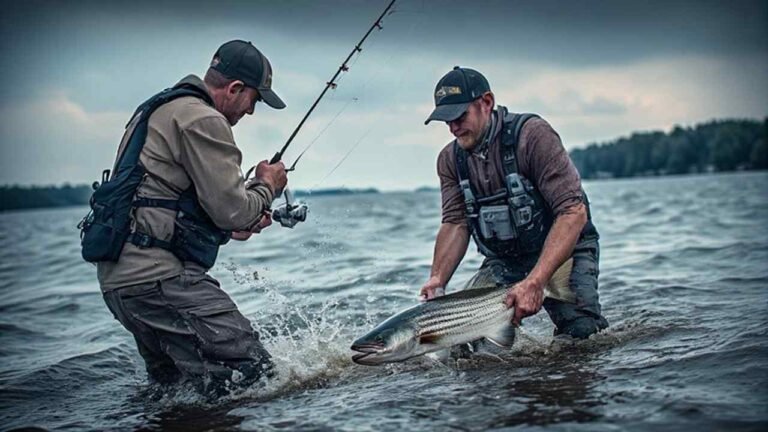
| Oct–Dec (Transition Period) | Bass, crappie, redfish, flounder, striped bass | Freshwater species most active as temps drop; migratory saltwater fish moving south | TrophyCatch ends Sept 30; new season likely begins Oct 1 |
🔔 Key 2026 Update: Spotted seatrout regulations have been overhauled under a nine-region management framework, effective April 1, 2026. If you fish seatrout anywhere in Florida, this change directly affects your possession allowances, slot windows, and whether you can retain oversized fish at all.
🎯 Targeting Florida’s Most Sought-After Game Fish
Largemouth Bass 🐟 dominate Florida’s freshwater identity. They’re in nearly every lake, pond, and river system, and the FWC has crafted its harvest policy with both casual anglers and trophy hunters in mind. Statewide, the daily bag cap sits at five black bass, with only one fish allowed at or above 16 inches in most general waters — a deliberate measure to protect the larger, genetically dominant breeding fish that sustain population quality. On Lake Okeechobee, that framework tightens further: fish under 18 inches must be released immediately, pushing the quality bar even higher. Anglers most often make the mistake of keeping the first fish they catch rather than evaluating the full catch before selecting their keeper. The biology behind the rule is simple — big female bass produce exponentially more viable eggs, and removing them shrinks future population ceilings.
Snook 🦞 are arguably Florida’s signature inshore saltwater gamefish, and the conservation infrastructure around them is extensive. Snook can only be taken with hook and line, no commercial harvest is permitted whatsoever, and every angler must carry both a valid saltwater fishing license and a snook permit to legally retain one. Slot limits sit at 28–33 inches along most of the Atlantic coast and southeast Florida, while Gulf and northwest regions use a slightly tighter 28–32 inch window, with a strict one-fish daily bag limit. Closed seasons vary by coastline and are timed around spawning aggregations — typically in late spring/summer — and winter cold-snap periods when snook become physiologically vulnerable. The most common angler mistake? Not knowing which coast their waters are categorized under, or targeting snook during a closed window because they crossed from one zone to another.
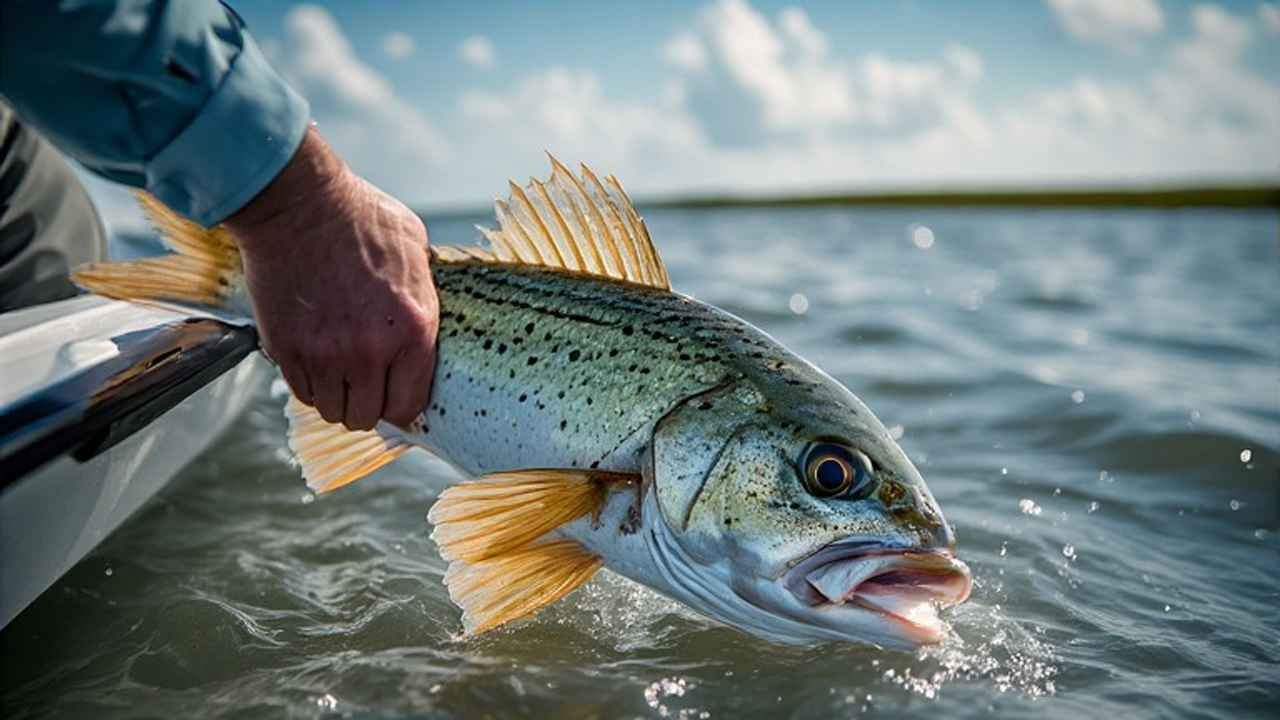
Spotted Seatrout are undergoing the most significant regulatory restructuring of any Florida species in 2026. The FWC approved a nine-region management approach that went into force on April 1, 2026, directly targeting population imbalances that had developed across different coastal systems. In the Indian River Lagoon, the rules are the most protective: a two-fish bag limit with a 15–19 inch slot and zero over-slot allowance. Southwest Florida regions operate on a three-fish limit with an 18–27 inch slot. Other areas retain a five-fish limit with a 15–19 inch slot and one over-slot fish allowed per vessel. The biological reasoning is sound — different regional populations face different levels of thermal stress, habitat degradation, and harvest pressure, and a uniform rule simply couldn’t address that complexity. Anglers fishing multiple zones in a single day need to track exactly where they caught each fish.
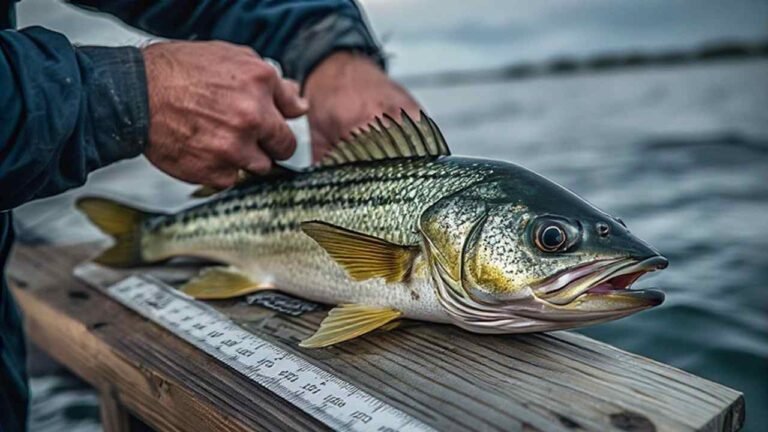
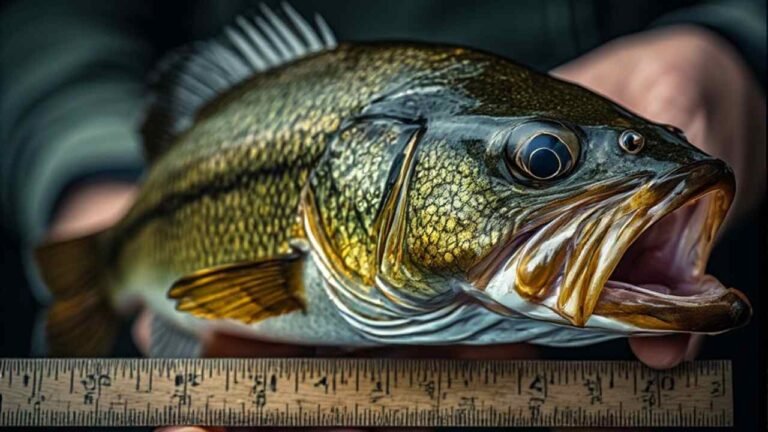
Redfish (Red Drum) don’t draw the same headline-level updates in 2026, but they remain tightly managed on both coasts. The slot limit structure keeps harvest focused on mid-size fish while releasing both undersized juveniles and the large, egg-producing bulls that move through nearshore channels and grass flats seasonally. Anglers chasing redfish along the Gulf Coast often find them stacked in tidal creeks and mangrove edges, while Atlantic-side fish tend to hold in deeper channels near inlets. The biggest mistake anglers make with redfish is fishing the slot without knowing the exact current measurements — always carry a tape measure in the tackle box.
🛑 Waters With Extra Restrictions
Florida maintains a network of elevated-protection zones that go beyond standard harvest frameworks. Before fishing any lesser-known water body, check these designations:
- ☑️ Trophy Bass Lakes — Designated waters where bass under a specific enhanced minimum must be released; bag limits are further reduced to protect established trophy fisheries
- ☑️ Artificial Lure-Only Zones — Certain reservoir systems and creek stretches restrict gear to artificials to reduce bycatch and protect sensitive spawning areas
- ☑️ Protected Spawning Stretches — Rivers including the Chipola carry absolute protections for specific species (shoal bass are strictly catch-and-release)
- ☑️ Fish Management Areas (FMAs) — Distinct access provisions and special limits apply; identified individually in the FWC regulation booklets
- ☑️ Permit-Based Fisheries — Snook, spiny lobster, and certain offshore reef species require specific permit endorsements beyond the standard fishing license
- ☑️ Conservation Zones in State Waters — Some nearshore marine protected areas restrict gear types and harvest entirely
- ☑️ No-Take Zones in National Parks/Refuges — Waters within Everglades National Park and similar federal lands operate under federal authority and may differ from FWC rules
🦈 Always verify whether a specific water body falls under FWC jurisdiction, federal authority, or both. Overlapping frameworks are common in South Florida.
🐠 Low-Barrier Fishing for Visitors and Casual Anglers
Not every angler is chasing records. Many visitors and beginners want the simplest, most accessible experience possible. These fisheries offer exactly that.
| Species | Regulation Simplicity | Common Location Type | Notes |
|---|---|---|---|
| 🎣 Bluegill / Sunfish | Open most of the year / flexible | Retention ponds, public lakes, state parks | No size limit statewide; great family option |
| 🐟 Channel Catfish | General bag cap / straightforward | Rivers, canals, public boat ramps | Widely distributed; night fishing popular |
| 🐠 Crappie (Speckled Perch) | 25-fish daily limit / seasonal consistency | Natural lakes, reservoir coves, dock pilings | 10″ minimum on Okeechobee; open generally elsewhere |
| 🎣 Common Carp | Open/unregulated in most waters | Canals, urban lakes, slow-moving rivers | No bag limit in most areas; gear-flexible |
| 🐟 Flounder | Moderate / consistent slot rules | Inshore coastal flats, river mouths | Straightforward inshore option for saltwater beginners |
🏞️ Access and Property: What Anglers Need to Know
- Navigable waters doctrine applies broadly in Florida — most rivers and tidal waters accessible by boat are legally fishable, regardless of adjacent private land ownership
- Boat launches on public water bodies are maintained through FWC’s Boat Ramp Finder system and are generally freely accessible during daylight hours
- Shoreline access does not automatically follow from a public water designation — the upland property may still be privately held
- Wading through private land to reach navigable water is not automatically permitted; entry from a public point is the correct approach
- Saltwater shoreline fishing license — a lower-cost option exists specifically for anglers fishing from land or fixed structures, not from a vessel
- Tribal and federal land overlaps — Big Cypress, Everglades National Park, and Seminole Tribe territories may carry independent regulations that supersede state rules
- Mangrove shorelines in Florida are protected; disturbing vegetation to access fishing spots may carry legal penalties separate from fishing rules
🎟️ Before You Cast: Legal Checklist
- ✅ Florida resident vs. non-resident status determines which license tier applies — residency is defined as 6+ continuous months of Florida domicile
- ✅ Age threshold — anglers under 16 do not need a fishing license for freshwater or saltwater in Florida
- ✅ Visitors and tourists must purchase a non-resident license; short-term options (3-day, 7-day) are available through Go Outdoors Florida
- ✅ Saltwater endorsements — a saltwater fishing license is required to land marine species regardless of whether you caught them in state or federal waters
- ✅ Snook permit — required in addition to the saltwater license if you intend to retain snook
- ✅ Spiny lobster sport season permit — required for the annual sport season harvest
- ✅ Reporting obligations — certain catch-and-release programs like TrophyCatch require photo documentation and submission through the FWC’s official platform
- ✅ Charter and for-hire trips — captains and crew aboard licensed for-hire vessels may not retain personal bag limits during trips
- ✅ Free fishing days — the FWC designates specific license-free fishing days annually; standard bag and size limits still apply on those days
🧭 Planning Tools That Give Anglers an Edge
The FWC has invested meaningfully in digital infrastructure that anglers should be using before and during every trip.
MyFWC.com is the authoritative hub for all regulation lookups — both freshwater and saltwater — with species-by-species breakdowns, water body search functions, and downloadable regulation booklets updated for the current year.
eRegulations Florida publishes the official state regulation booklet in both PDF and interactive digital formats, including the full 2026 saltwater recreational regulations document that covers every managed species in detail.
Go Outdoors Florida (the FWC’s official licensing portal) allows license purchase, renewal, and permit management from mobile devices — no printout required. This is especially useful for out-of-state visitors arriving at a boat ramp with no time to spare.
FWC Stocking Reports track which freshwater lakes and rivers have received supplemental fish from state hatcheries — a valuable tool for planning trips during off-peak months when natural activity slows.
Fish ID and Population Survey Data are available through FWC’s Wildlife and Habitat profiles, showing population health indices and management priorities for individual species — giving conservation-minded anglers a deeper understanding of why specific rules exist.
For those planning multi-state fishing trips, Alabama’s fishing regulations and harvest limits offer a useful contrast to Florida’s framework, particularly for freshwater species that cross state boundaries in border river systems.
❓ Real-World Fishing Scenarios Anglers Ask About in Florida
“I’m visiting from out of state for a week — do I need a different kind of license for freshwater vs. saltwater fishing?”
Yes. Florida separates freshwater and saltwater licensing entirely. A non-resident freshwater license covers inland lakes and rivers; a saltwater license is required for any marine fishing. If you plan to fish both, purchase the combination option through Go Outdoors Florida before your trip.
“Can I keep a snook I caught off the Gulf Coast in June?”
It depends on the exact date and current closed-season calendar for your specific Gulf Coast zone. Snook closed seasons are timed around spawning and cold-season vulnerability windows. Always confirm the open/closed status for the specific coastal region before your trip — the Gulf and Atlantic sides operate on different calendars.
“I caught a seatrout that was 22 inches in Southwest Florida — can I keep it?”
Under the new 2026 regulations effective April 1, Southwest Florida operates on an 18–27 inch slot. A 22-inch fish falls within that slot, so yes, it qualifies for retention — but only within your three-fish daily bag limit for that region.
“Is fishing from a bridge or public pier considered shoreline fishing for licensing purposes?”
Yes. Florida offers a specific shoreline saltwater fishing license for residents fishing from land or fixed structures. Bridges, piers, and docks connected to shore qualify under this category, making it a lower-cost option for shore-based anglers who don’t use a vessel.
“I want to catch and photograph a trophy bass on Lake Okeechobee — do I need a special permit?”
No special permit is needed just to catch and release, but if you want to participate in the FWC’s TrophyCatch program (Season 14 runs through September 30, 2026), you’ll need to register through the official FWC platform and submit documentation of any bass weighing 8 pounds or more.
“Are there waters in Florida where I can only use artificial lures?”
Yes. Certain reservoir systems, stocked creek stretches, and Fish Management Areas carry artificial-lure-only restrictions. These are listed in the FWC’s special bag and length limits section and are tied to specific water body identifiers — not a general category. Look up your target water before packing live bait.
“I’m camping in the Everglades — does my Florida fishing license cover me there?”
Not entirely. Everglades National Park falls under federal jurisdiction, and fishing within the park may require a separate federal permit for certain activities. Always verify whether your target water is within park boundaries before assuming state licensing is sufficient.
🗺️ Well-Known Waters Under the 2026 Framework
Lake Okeechobee is Florida’s largest lake and arguably its most iconic bass fishery. The “Big O” has built a global reputation on its population of Florida-strain largemouth bass, and its special regulations reflect that status — fish under 18 inches are strictly catch-and-release, and the trophyCatch program has documented tens of thousands of catches here over its history. The atmosphere at Okeechobee is distinctly serious: tournament trailers line the ramps before dawn, but casual anglers fishing from the Herbert Hoover Dike access points find the experience far more relaxed. Grass beds, hydrilla flats, and the Shoal area near Clewiston draw consistent attention from both local guides and visiting anglers. Regulation tone: strict with purposeful, conservation-oriented design.
St. Johns River stretches through the heart of northeastern Florida and offers one of the most diverse freshwater and transitional fisheries in the Southeast. Bass, crappie, and bluegill dominate the upper reaches, while the lower river — influenced by tidal action — pulls in redfish, flounder, and spotted trout. The St. Johns system also holds significant populations of striped bass near Jacksonville. Its sheer length (approximately 310 miles) means regulation variations appear across its course, and local knowledge matters. Regulation tone: moderate and species-dependent.
Indian River Lagoon stretches along Florida’s Atlantic coast and holds some of the most ecologically sensitive inshore habitat in North America. It’s world-famous for snook and seatrout, but 2026 marks a significant inflection point: spotted seatrout regulations here are now among the most protective in the state, with a two-fish bag limit, a tight 15–19 inch slot, and zero over-slot retention allowed. Snook remain a premier target with their own closed-season calendar. The lagoon’s health has been challenged by algae blooms and habitat loss, and the new regulations are a direct response to those pressures. Regulation tone: strict, ecologically motivated.
Charlotte Harbor and Pine Island Sound (Gulf Coast) offer a more open, expansive inshore experience. Redfish, snook, and the newly reorganized seatrout framework all apply here, but the Gulf-side rules generally allow slightly broader slot windows and higher bag limits than the Atlantic-coast estuaries. This area is popular with kayak anglers and wade fishers who work the mangrove edges and grass flats during cooler morning hours. Regulation tone: moderate with regional slot distinctions.
The Kissimmee Chain of Lakes (central Florida) connects multiple water bodies through a navigable canal system and offers some of the most accessible bass fishing in the state for traveling anglers. The chain includes Lake Kissimmee, Lake Tohopekaliga (“Lake Toho”), and East Lake Toho — all carrying strong reputations for quality largemouth. Standard statewide freshwater rules apply, though some individual lakes within the chain carry supplemental stocking reports worth checking before planning a trip. Regulation tone: flexible and beginner-friendly.
✅ Every Trip Counts: Wrapping Up Your 2026 Florida Fishing Plan
Florida’s managed fisheries system in 2026 is more dynamic than in previous years — and that’s a sign the system is working. The overhaul of spotted seatrout regulations, the continued precision of snook conservation zones, and the sustained success of the TrophyCatch program all point to a state that takes long-term fishery health seriously. For the visiting angler or the beginner still learning which line to tie, this means the rules exist to protect the experience as much as the fish.
Major access windows remain generous across both freshwater and saltwater categories, with most inland species fishable year-round under standard possession allowances. The Gulf and Atlantic coasts each carry species-specific seasonal closures, but the open periods are substantial, and the variety of what Florida offers — from 100-acre bass lakes to remote tidal creeks — makes it one of the most rewarding angling destinations in the country.
Carry your license, know your slot, verify your zone, and check the FWC website the week before your trip. If you’re planning cross-state fishing adventures along the Gulf South corridor, a review of Arkansas fishing rules and regulated harvest limits can help you understand how neighboring regulatory philosophies compare when fishing multi-state river drainages.
Fish responsibly. The framework is only as strong as the anglers who respect it. 🎣