Colorado Angler Guide to Fishing Rules in 2026: Regulations & Revisions
Colorado’s angling landscape operates under a carefully constructed framework that balances recreational opportunity with ecological preservation. Unlike states with simpler aquatic ecosystems, Colorado manages everything from alpine brook trout streams to warm-water reservoir bass fisheries, each with distinct biological rhythms and harvest parameters. The 2026 regulatory cycle reflects ongoing population monitoring, habitat restoration priorities, and adaptive management strategies designed to keep fisheries productive for generations.
This guide breaks down the statewide angling calendar, regional rule variations, species-specific allowances, and access considerations without the predictable format you’ve seen elsewhere. Whether you’re a first-timer learning the ropes or a visiting angler unfamiliar with Colorado’s unique system, understanding these frameworks will keep you compliant and conservation-minded.
🌊 The Big Picture: How Colorado Manages Its Fisheries
Colorado’s fishery management operates on a foundation of biological carrying capacity rather than arbitrary calendar cutoffs. The state divides its waters into distinct management zones—cold-water trout habitats at high elevations, transitional zones where warmwater and coldwater species overlap, and lowland reservoirs optimized for bass, walleye, and panfish. Each zone receives targeted stocking efforts, habitat improvements, and regulatory adjustments based on annual population surveys conducted by Colorado Parks and Wildlife (CPW).
The regulatory philosophy prioritizes sustainable harvest rates over maximum extraction. Many waters feature slot limits that protect mid-sized breeding fish while allowing harvest of smaller individuals and trophy specimens. Other systems operate under catch-and-release mandates during spawning windows, ensuring recruitment success without closing fisheries entirely. This approach keeps anglers engaged year-round while safeguarding the reproductive backbone of each population.
Water temperature, snowmelt timing, and elevation all influence when specific regulations activate. A low-elevation reservoir might open for bass fishing weeks before a high-country trout lake even sheds its ice. Understanding these biological triggers—not just printed dates—helps anglers anticipate opportunities and avoid unintentional violations.
📍 Where Rules Change (Regional Variation Overview)
Colorado’s regulatory landscape shifts dramatically across geographic zones. Rather than applying blanket statewide rules, the state tailors possession limits, method restrictions, and open windows to local conditions.
| Water Type | Typical Open Period | Harvest Style | Notable Differences |
|---|---|---|---|
| Alpine Lakes | Ice-out through late fall | Low daily caps (4–8 fish), often species-specific | Many designated as artificial fly/lure only |
| Front Range Reservoirs | Year-round for most species | Flexible limits with slot protections on bass/pike | Higher visitor pressure; urban access rules apply |
| River Corridors | Continuous for trout; seasonal for warmwater | Catch-and-release zones common; special Wild Trout Waters designation | Private property intersections; wade-access rules critical |
| Eastern Plains Reservoirs | Open year-round | Generous warmwater limits; stricter on walleye/wipers | Less crowded; limited stocking support |
| Western Slope Rivers | Year-round with spawning closures | Trophy sections with reduced harvest | Popular with visiting anglers; guided activity heavy |
The Gold Medal Waters designation—Colorado’s premier fishery classification—carries stricter regulations than standard streams. These systems prioritize quality over quantity, often enforcing single-hook artificial restrictions and reduced possession allowances. Meanwhile, Community Fishing Waters near urban centers offer simplified rules and family-friendly environments with relaxed gear restrictions.
Understanding regional context prevents frustration. A method legal on the South Platte might be prohibited on a designated Wild Trout Water just miles away. Always verify zone-specific rules before heading out, especially if crossing county lines or watershed boundaries.
🗓️ The 2026 Angling Calendar at a Glance
Colorado’s angling opportunities follow natural cycles rather than rigid seasonal divisions. Below is a vertical timeline framework showing major activity windows throughout 2026:
| Period | Active Species | Regulation Pattern | Special Notes |
|---|---|---|---|
| January–March | Trout (lakes/reservoirs), northern pike | Standard daily limits; ice fishing popular | Check ice shelter tag requirements; some high-elevation roads closed |
| April–Early June | Rainbow/brown trout (spawning complete), early bass | Transitional spawning closures on select rivers | Runoff impacts access; check flow reports before traveling |
| Mid-June–August | Smallmouth/largemouth bass, walleye, catfish, kokanee | Peak warmwater season; many waters fully open | High-country lakes accessible; alpine trout fishing prime |
| September–October | Brown trout (pre-spawn), kokanee (spawning runs) | Special regulations activate on key rivers | Fall colors draw crowds; Gold Medal Waters busiest |
| November–December | Lake trout, pike, trout (catch-and-release focus) | Reduced harvest on spawning species | Early ice forms on northern waters; winter access begins |
Unlike states that close entire fisheries seasonally, Colorado maintains year-round opportunities on most waters. The regulatory focus shifts from closures to method restrictions and possession adjustments during biologically sensitive periods. For example, autumn brown trout spawning doesn’t trigger closures but may reduce limits from four fish to two on specific streams.
Kokanee salmon fisheries follow a unique rhythm, with late-summer through fall offering spectacular spawning runs in reservoirs like Blue Mesa and Taylor Park. Regulations during these windows often allow increased limits to manage population density, contrasting with the protective approach applied to native cutthroat populations.
🎯 Targeting Popular Game Fish (Behavior + Regulation Combo)
Rainbow Trout
Rainbow trout thrive in Colorado’s cold, oxygen-rich waters from montane streams to alpine lakes. Most systems allow steady harvest throughout the year, though spring spawning runs prompt temporary reductions on select rivers. Anglers often encounter stocked rainbows in urban ponds and reservoirs, where simplified possession rules encourage family participation. Wild rainbow populations in backcountry drainages receive stricter protection, with many waters designated as artificial-lure-only to reduce mortality. The common mistake anglers make is assuming all trout waters share identical rules—always verify whether you’re fishing a stocked community pond or a native cutthroat sanctuary.
Largemouth and Smallmouth Bass
Bass fishing in Colorado peaks from June through September when water temperatures activate aggressive feeding. Most reservoirs enforce slot limits protecting fish between 15 and 20 inches, allowing harvest of smaller individuals while safeguarding prime spawners. Smallmouth bass, less common than their largemouth cousins, receive tighter protections on rivers like the Yampa and Colorado. The rationale centers on slower growth rates and lower reproductive output compared to largemouth populations. Anglers frequently overlook seasonal bass closures during April and May, mistakenly assuming year-round opportunity. Checking regional exceptions prevents citations and supports sustainable bass management.
Walleye
Walleye populations occupy reservoirs across the Front Range and eastern plains, with fisheries like Spinney Mountain and North Sterling producing trophy specimens. Daily possession limits hover around five fish, though some waters implement slot protections to maintain balanced age structures. Walleye regulations exist because overharvest can rapidly deplete populations, especially in smaller reservoirs without natural recruitment. Night fishing remains popular and legal, though anglers should verify whether specific reservoirs restrict after-dark access for safety reasons. The mistake many make is targeting walleye during spring pre-spawn staging without realizing some waters prohibit harvest during this vulnerable window.
Northern Pike
Northern pike dominate warmwater reservoirs and provide exciting catch rates year-round. Colorado’s pike regulations lean permissive compared to other species, with many waters allowing unlimited harvest to control populations that can outcompete native fish. However, select trophy waters like Stagecoach Reservoir enforce strict slot limits to maintain large pike densities. Pike spawn early, often beneath ice or during first thaw, but regulations rarely restrict spring fishing due to the species’ resilient nature. Anglers sometimes mishandle pike, causing unnecessary mortality in catch-and-release situations—using appropriate tackle and avoiding deep-hooking preserves the fishery’s quality.
🛑 Waters With Extra Restrictions
Certain Colorado fisheries operate under enhanced regulatory frameworks designed to protect unique populations or create exceptional angling experiences:
✅ Gold Medal Waters – Streams like the Fryingpan River below Ruedi Reservoir and the South Platte River through Cheesman Canyon enforce artificial fly and lure restrictions, reduced possession limits, and single-hook-only rules. These waters receive intensive management to maintain trophy trout densities.
✅ Wild Trout Waters – Designated streams and lakes prioritize naturally reproducing populations over stocked fish. Harvest limits drop significantly, and some sections operate as complete catch-and-release zones. The Roaring Fork River and Upper Colorado River include extensive Wild Trout sections.
✅ Greenback Cutthroat Recovery Waters – Native cutthroat restoration projects in the South Platte and Arkansas River basins prohibit all harvest. Anglers must immediately release any cutthroat trout to support population rebuilding. Misidentifying cutthroat as rainbow trout causes unintentional violations—learn distinguishing markings before fishing these systems.
✅ Artificial Lure-Only Lakes – High-elevation lakes like those in the Indian Peaks Wilderness restrict bait fishing to minimize hooking mortality. Single barbless hooks become mandatory, and anglers must avoid treble hooks entirely.
✅ Special Management Areas – Waters undergoing habitat restoration or experimental stocking programs may carry unique rules updated mid-season. Always consult CPW’s digital regulation lookup before visiting remote fisheries.
✅ Private Lease Waters – Some reservoirs operate under agreements limiting public access to specific days or requiring advance registration. Antero Reservoir and Tarryall Reservoir exemplify this model, combining public opportunity with controlled visitor density.
🐠 Accessible Fishing for Casual Anglers
Colorado offers numerous low-complexity fisheries ideal for beginners, families, and visiting anglers unfamiliar with intricate regulations. These waters balance generous access with straightforward rules:
| Species | Regulation Simplicity | Common Location Type |
|---|---|---|
| Rainbow Trout | Liberal daily limits (4–8 fish); open year-round | Urban ponds, stocked reservoirs, community waters |
| Channel Catfish | Flexible possession allowances; minimal gear restrictions | Plains reservoirs, warm lowland lakes |
| Bluegill/Sunfish | High daily caps; encouraged harvest | Shallow bays, irrigation reservoirs, family-friendly parks |
| Stocked Kokanee | Seasonal abundance; straightforward limits during runs | Mountain reservoirs like Eleven Mile, Blue Mesa |
| Common Carp | Unlimited harvest on most waters; no closed seasons | River backwaters, warm reservoirs, irrigation systems |
Community Fishing Waters—like Bear Creek Lake Park near Denver and Pueblo Reservoir’s south shore—receive regular stocking and feature accessible shorelines, fishing piers, and relaxed tackle rules. These locations allow bait fishing, treble hooks, and simplified identification requirements, making them perfect starting points for novice anglers. Unlike Arizona’s desert fisheries, Colorado’s high-elevation environment means even beginner-friendly waters offer stunning scenery and quality fish.
🏞️ Access & Property Considerations
Colorado’s stream access laws differ significantly from neighboring states, creating confusion for visiting anglers:
- Navigable Water Doctrine – Colorado does NOT recognize the “high water mark” access common in states like Montana. Anglers may float through private land but cannot touch the streambed or banks without permission. Wading constitutes trespass unless the water crosses public land.
- Easement Access Points – CPW maintains public fishing easements along select rivers where private landowners grant walk-in access. These areas appear on CPW maps and mobile apps, often marked with green signage.
- Bridge and Road Crossings – Public right-of-way at road crossings allows limited angling access, but anglers cannot venture upstream or downstream beyond the road’s footprint without entering public land or securing landowner permission.
- National Forest and BLM Land – Federal lands provide extensive public access, though boundaries can be irregular. Use GPS mapping tools to confirm you’re not crossing into private property, especially along checkerboard land patterns common in western Colorado.
- State Wildlife Areas – CPW manages numerous State Wildlife Areas open to free public fishing. Some have parking fees, seasonal closures, or method restrictions unrelated to general statewide rules.
- Reservoir Recreation Areas – Many reservoirs require daily vehicle passes or annual Colorado Parks Passes for parking and boat launch access. Fees support facility maintenance and habitat projects.
- Tribal and Federal Overlaps – Waters bordering Ute tribal lands or military installations carry additional access restrictions. Always verify jurisdiction before fishing near Fort Carson, Air Force Academy, or tribal boundaries.
Understanding property rights prevents conflicts and legal issues. Unlike Alabama’s generous navigable stream access, Colorado requires more diligence in confirming public fishing rights before wetting a line.
🎟️ Permit Requirements Updated
Before casting in Colorado waters, ensure you’ve met all legal credentialing requirements:
✔️ Residency Status – Colorado residents qualify for lower-cost licenses after establishing 90 days of continuous in-state residency. Nonresidents pay higher fees but gain identical access rights.
✔️ Age Considerations – Anglers aged 16 and older require valid fishing licenses. Youths under 16 fish free but must comply with possession limits. Senior residents (65+) receive discounted lifetime options.
✔️ Visitor Passes – Nonresidents choose between annual licenses and short-term (1-day, 5-day) permits. Multi-day tourists often find 5-day licenses cost-effective for vacation trips.
✔️ Second Rod Stamp – Colorado allows anglers to fish with two rods simultaneously after purchasing an additional stamp. This option increases catch rates on still-water fisheries but requires extra validation.
✔️ Habitat Stamp – Automatically included with most licenses, this stamp funds habitat restoration and aquatic species conservation projects statewide.
✔️ Ice Shelter Registration – Portable ice shelters left unattended on frozen waters require registration tags displaying the owner’s contact information. This safety measure helps rangers contact owners if dangerous ice conditions develop.
✔️ Fishing Report Obligations – Certain trophy waters and research fisheries request voluntary catch reporting via CPW’s mobile app. Participation improves population monitoring accuracy.
Colorado Parks and Wildlife provides online licensing through their website and authorized retailers statewide. Digital licenses displayed on smartphones satisfy legal requirements, though many anglers carry printed copies as backup in remote areas without cell service.
🧭 Planning Tools Anglers Should Know About
Colorado provides several resources to help anglers navigate complex regulations and maximize trip success:
📘 Colorado Fishing Season Information Brochure – CPW publishes an annual guidebook detailing statewide rules, regional exceptions, and species-specific regulations. Printed copies distribute free through license vendors, while digital PDFs remain available on the CPW website year-round.
📱 CPW Mobile App – The official Colorado Parks and Wildlife app includes interactive regulation lookup, GPS-enabled water identification, digital licensing, and real-time stocking reports. The app works offline once downloaded, making it valuable in mountain areas without connectivity.
🗺️ Fishing Atlas and Interactive Maps – CPW’s online mapping system shows public access points, State Wildlife Areas, fishing easements, and property boundaries. Overlaying these layers prevents trespassing and reveals hidden fishing opportunities.
📊 Fish Stocking Reports – Weekly stocking schedules list which waters received trout, catfish, or other species. Timing trips around recent stockings dramatically improves catch rates, especially on urban community waters.
🌡️ Water Condition Reports – CPW and USGS stream gauges provide real-time flow data, water temperature readings, and reservoir elevation statistics. Checking conditions before driving hours to remote fisheries prevents wasted trips during unfishable runoff periods.
📝 Species Identification Guides – Distinguishing between native cutthroat, rainbow, and brook trout matters where special regulations apply. CPW’s photo guides clarify field identification to prevent unintentional rule violations.
🏆 Master Angler Program – CPW recognizes exceptional catches through a voluntary certification program. Documenting trophy fish adds motivation and contributes to population research.
🤔 Common Questions Colorado Anglers Actually Ask
Can I keep fish caught in catch-and-release zones if they’re deeply hooked?
No. Catch-and-release zones prohibit possession regardless of hooking location or injury severity. If a fish appears unlikely to survive, it must still be released. The regulation exists to prevent anglers from exploiting “mortality exceptions.” Use proper hook-removal tools and practice careful handling to minimize deep hooking incidents.
Do I need separate licenses for river fishing versus lake fishing?
No. A single Colorado fishing license covers all legal angling methods and water types statewide, from alpine streams to plains reservoirs. However, State Parks vehicle passes may be required for parking access at specific reservoirs and recreation areas, purchased separately from fishing licenses.
Are there waters where I can fish without a license?
Yes. Colorado’s Free Fishing Days—typically one weekend in early June—allow all residents and nonresidents to fish without licenses. Additionally, private ponds entirely on private property not connected to natural waterways don’t require state licenses, though landowner permission remains mandatory.
What happens if I accidentally catch an endangered species?
Immediately release the fish with minimal handling. Greenback cutthroat trout and other native species under recovery programs must be returned to the water even in areas where trout harvest is otherwise legal. CPW encourages anglers to report sightings through their mobile app to aid conservation monitoring.
Can I use live minnows as bait in Colorado?
Limited circumstances only. Most Colorado waters prohibit live fish as bait to prevent invasive species introductions and disease transmission. Check specific water body regulations, as select plains reservoirs allow live minnow use under controlled conditions. Live aquatic insects like grasshoppers remain legal statewide where bait fishing is permitted.
Is fishing from a float tube considered the same as boat fishing?
Yes. Float tubes, kayaks, canoes, and motorized boats all qualify as watercraft under Colorado regulations. All applicable boating safety requirements apply, including personal flotation device (PFD) carriage and registration for motorized craft. Fishing regulations remain identical whether wading, tubing, or using a boat.
How do slot limits work when I catch fish at the boundary size?
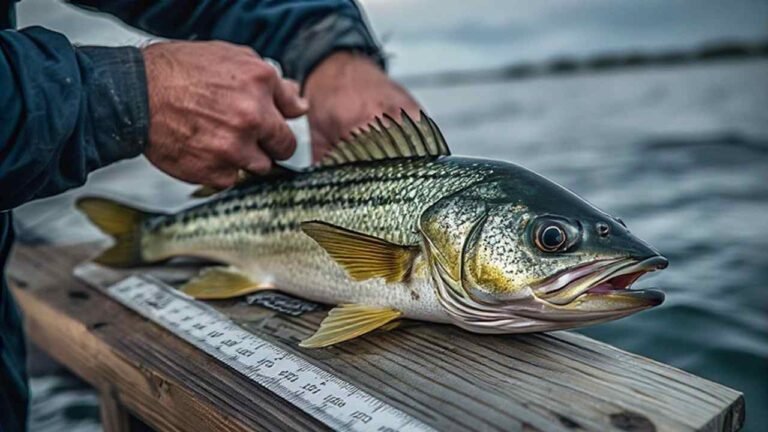
Slot limit boundaries are precise—a 15-inch minimum means the fish must exceed 15.00 inches to keep legally. If you catch a fish measuring exactly at the protected size, it must be released. Carry a measuring device and verify length before retaining any fish in slot-protected waters. Rounding up measurements doesn’t satisfy legal requirements.
🗺️ Well-Known Waters Under the 2026 Framework
Blue Mesa Reservoir – Colorado’s largest body of water, Blue Mesa dominates the Gunnison River drainage with over 20 miles of shoreline. Anglers target kokanee salmon during late-summer spawning runs, with lake trout and rainbow trout available year-round. The reservoir operates under moderate regulations, allowing generous kokanee limits during peak seasons while protecting lake trout through slot restrictions. Blue Mesa’s high elevation means ice fishing opportunities extend into May on sheltered bays. The atmosphere blends serious trophy hunting with family-friendly camping, supported by multiple boat ramps and developed shoreline access.
South Platte River (Cheesman Canyon Section) – Designated as Gold Medal Water, this iconic tailwater below Cheesman Reservoir enforces strict artificial fly and lure rules with reduced possession limits. The canyon’s technical pocket water and selective trout demand refined presentation skills, attracting anglers nationwide. Regulations prioritize quality over quantity, maintaining wild rainbow and brown trout densities that routinely produce 18-inch-plus fish. Access requires hiking steep trails, and summer crowds challenge solitude-seeking anglers. The regulatory tone emphasizes conservation and catch-and-release ethics, though limited harvest remains legal for those willing to target smaller specimens.
Spinney Mountain Reservoir – Renowned for massive cutthroat, rainbow, and northern pike, Spinney Mountain combines trophy-caliber fishing with relatively flexible regulations compared to nearby Eleven Mile Reservoir. Pike harvest remains largely unrestricted, while trout populations operate under slot protections designed to maintain large average sizes. The reservoir’s shallow structure and nutrient-rich waters produce exceptional growth rates, with 20-inch trout common and 10-pound pike regularly landed. Boating restrictions limit motors to wakeless speeds, preserving the serene atmosphere. Winter ice fishing attracts dedicated anglers pursuing pike through thick ice, though access roads close periodically during heavy snowfall.
Fryingpan River – Flowing below Ruedi Reservoir, the Fryingpan ranks among Colorado’s most productive Gold Medal trout streams. Cold tailwater releases create year-round trophy trout habitat, with browns, rainbows, and occasional cutthroat thriving in the stable flows. Strict regulations include artificial fly and lure requirements, single-hook-only rules, and reduced possession limits throughout the designated section. The fishery receives intense guided pressure during summer and fall, but productive fishing continues through winter when crowds thin. Public access mixes with private property, requiring attention to posted boundaries. The regulatory philosophy centers on sustainable trophy fishery management, balancing harvest opportunity with long-term population health.
Antero Reservoir – This high-elevation stillwater operates under a unique hybrid public-private management model requiring advance reservations during peak periods. Antero’s special management regulations include mandatory barbless hooks, restricted angling hours, and enhanced slot limits protecting mid-sized trout. The reservoir’s reputation for trophy cutthroat and rainbow trout attracts traveling anglers willing to navigate reservation systems and elevated daily fees. Float tubes dominate fishing methods, as shoreline access remains limited. The atmosphere feels exclusive yet accessible, blending private water quality with public opportunity. Regulations adapt annually based on population surveys, occasionally shifting harvest windows mid-season to respond to biological conditions.
✅ What You Need to Remember Before Fishing Colorado in 2026
Colorado’s 2026 angling framework rewards preparation and regulatory awareness. The state’s diverse fisheries—from alpine lakes to warmwater reservoirs—each operate under tailored rules reflecting biological realities rather than one-size-fits-all calendars. Understanding regional variations, species-specific protections, and access limitations prevents violations while enhancing fishing success.
Major open-water periods align with natural cycles, offering year-round opportunities for anglers willing to match tactics to seasonal conditions. Gold Medal Waters and Wild Trout designations signal enhanced protections justified by exceptional fishing quality. Community waters provide simplified entry points for beginners, while trophy fisheries challenge experienced anglers with strict method restrictions and reduced harvest allowances.
Conservation compliance extends beyond following printed rules—it encompasses ethical handling practices, accurate species identification, and respecting private property boundaries. Colorado’s fisheries thrive because anglers voluntarily support sustainability measures that extend beyond minimum legal requirements.
Whether targeting stocked rainbows in urban ponds or wild cutthroat in wilderness streams, responsible angling ensures Colorado’s waters remain productive for future generations. Verify regulations before every trip, practice selective harvest, and engage with CPW’s monitoring programs to contribute data supporting adaptive management decisions. The 2026 season offers abundant opportunity for those who fish thoughtfully within Colorado’s carefully managed framework.