California Fishing Rules 2026: What’s Allowed, What’s Limited, What’s New
California’s angling landscape in 2026 continues to balance recreational opportunity with ecological stewardship. From the Sierra Nevada alpine lakes to the Delta’s sprawling waterways, the Golden State’s fishing framework adapts to population pressures, drought cycles, and species recovery efforts. This isn’t your standard rundown of dates and dollar amounts—it’s a navigation guide through California’s increasingly nuanced approach to managing public fisheries.
Whether you’re casting from a San Diego pier, trolling Shasta’s depths, or wading a Kern River eddy, understanding the harvest framework means more than avoiding citations. It means participating in a system designed to keep fish populations viable for decades ahead.
🌊 The Big Picture: How California Manages Its Fisheries
California’s Department of Fish and Wildlife operates under a biodiversity mandate that few states match in complexity. The state’s fisheries management doesn’t follow a single playbook—it adjusts across seven bioregions, each with distinct hydrology, native species assemblages, and human impact profiles.
Regulations emerge from multi-year population assessments, not arbitrary calendar preferences. Biologists track spawning success rates, predator-prey balances, and habitat degradation markers. When striped bass numbers decline in the Sacramento-San Joaquin Delta, slot limits tighten. When hatchery trout stocking succeeds beyond projections, bag allowances expand in select reservoirs.
The state’s approach prioritizes native species recovery while maintaining access to introduced game fish. This dual mission creates a patchwork of rules that shift dramatically between water bodies separated by mere miles. A lake supporting rainbow trout under liberal harvest rules might sit upstream from a creek where only catch-and-release applies to protect struggling steelhead runs.
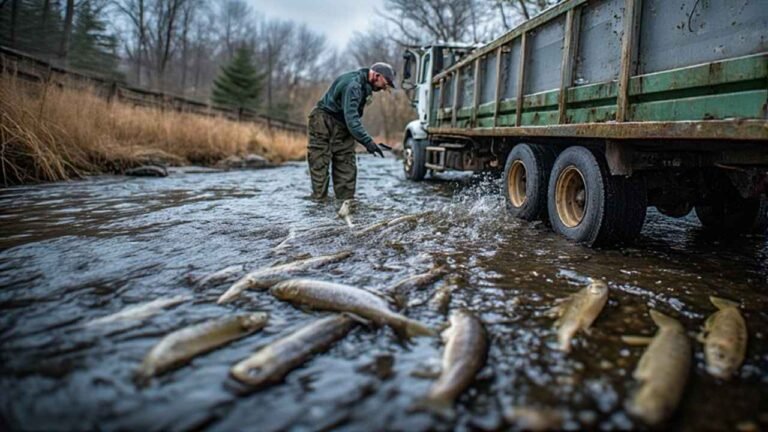
Climate variability adds another layer. Persistent drought conditions trigger emergency closures on temperature-stressed streams. Wet years reopen access to tributaries previously off-limits. The 2026 framework reflects lessons from the 2012–2016 drought and subsequent atmospheric river cycles that reshaped stream flows statewide.
📍 Where Rules Change (Regional Variation Overview)
California’s angling regulations fragment across watershed types, elevation zones, and jurisdictional boundaries. Here’s how the major categories break down:
| Water Category | General Open Periods | Harvest Style | Notable Rule Differences |
|---|---|---|---|
| High Sierra Lakes | Late spring through fall freeze | Conservative daily caps; size minimums on some native species | Many operate under artificial lure restrictions; backcountry waters often have reduced limits |
| Central Valley Reservoirs | Year-round for most species | Moderate to liberal bag allowances | Striped bass and sturgeon face slot limits; some waters allow nighttime fishing |
| North Coast Rivers | Seasonal windows aligned with runs | Highly restrictive; many catch-and-release only | Wild steelhead must be released; barbless hooks required in designated stretches |
| Southern California Urban Lakes | Year-round stocking programs | Liberal harvest on planted species | Trout fishing peaks winter through spring; bass regulations mirror statewide defaults |
| Delta Waterways | Complex species-specific calendars | Mixed; some aggressive protection zones | Sturgeon retention windows shift annually; striped bass face evolving restrictions |
The Klamath-Trinity system operates under distinct tribal co-management agreements, creating access provisions that differ from adjacent state-managed waters. Anglers fishing near reservation boundaries need to verify jurisdiction before casting.
Coastal rock fishing and surf perch angling fall under marine regulations, not freshwater frameworks. Licensing and bag limits differ entirely, even when fishing from shore within sight of freshwater river mouths.
🗓️ The 2026 Angling Calendar at a Glance
Instead of traditional seasonal divisions, California’s fishing opportunities pulse according to biological cycles and stocking schedules:
| Period | Active Species | Typical Regulation Pattern | Special Notes |
|---|---|---|---|
| January–March: Cool-Water Surge | Planted rainbow trout, steelhead (wild), sturgeon | Trout: open with standard limits; Steelhead: catch-and-release in most rivers; Sturgeon: limited retention windows | Urban lakes receive heavy stocking; coastal rivers see steelhead runs peak |
| April–June: Spawning Protections Kick In | Bass (all types), trout (high elevation), catfish, crappie | Bass: catch-and-release in many waters until mid-season; Trout: alpine lakes opening gradually; Catfish: open with liberal limits | Black bass closure protects nesting; Sierra access depends on snowmelt |
| July–September: Peak Harvest Windows | Trout (all elevations), bass (open), kokanee salmon, warmwater species | Most species under standard bag limits; high-country fishing peaks | Hatchery Kokanee runs create short-term opportunities; Delta fishing intensifies |
| October–December: Transitional Access | Trout (valley reservoirs), striped bass, steelhead (early runs) | Trout stocking resumes in lowlands; Striped bass regulations remain complex; Steelhead season begins | Alpine lakes freeze; focus shifts to lower elevations and coastal systems |
Emergency closures can interrupt any period when water temperatures exceed thermal tolerance thresholds or flows drop to critical lows. The state maintains a real-time closure hotline and digital map updated within 24 hours of regulatory changes.
🎯 Targeting Popular Game Fish (Behavior + Regulation Combo)
Largemouth and Smallmouth Bass
California’s bass populations thrive in reservoirs across the state, from Castaic Lake’s trophy fishery to the Clear Lake ecosystem supporting both species. Anglers concentrate efforts around submerged structure—rocky points, tule beds, and drowned timber. The statewide framework imposes a springtime closure during nesting periods, typically running late March through mid-May, though exact dates vary by region and elevation. This prohibition exists because bass guard nests aggressively, making them easy targets when they’re most vulnerable. Violating this closure doesn’t just risk fines—it undermines years of population management. Common mistakes include assuming catch-and-release exempts anglers from seasonal closures (it doesn’t in California) and ignoring water-specific exceptions posted at launch ramps.
Rainbow and Brown Trout
Trout dominate California’s coldwater fisheries, split between wild populations in Sierra streams and heavily planted fish in accessible reservoirs. Wild trout waters—especially those designated as Heritage Trout Waters—carry strict harvest limits or outright catch-and-release requirements to protect genetic diversity. Planted trout in urban lakes like Irvine Lake or Prado Park Lake operate under generous daily limits designed to reward family anglers and reduce competition for stocked fish. The biological rationale differs dramatically: planted fish rarely reproduce successfully, so harvest rates don’t impact future populations. Anglers frequently err by keeping wild trout from protected streams, misidentifying them as stocked fish, or exceeding possession limits when freezing multiple days’ catches without proper documentation.
Striped Bass and White Sturgeon
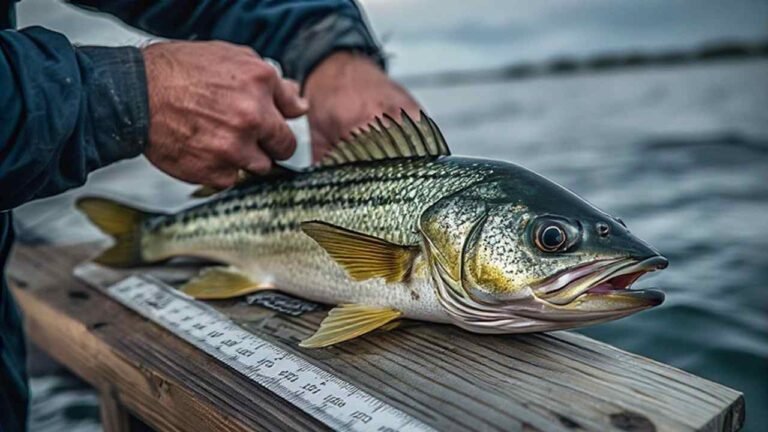
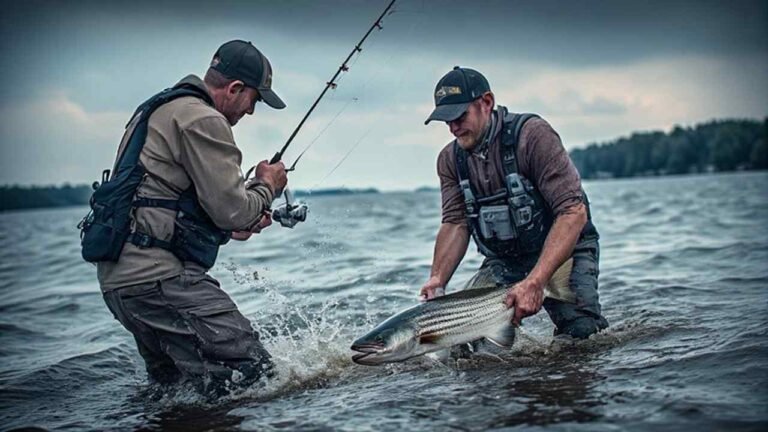
The Delta’s signature species face California’s most complex regulations due to population uncertainty and ecological importance. Striped bass slot limits protect both juvenile fish and large breeding females, creating a narrow harvestable range that shifts based on annual surveys. Sturgeon management operates on retention windows—specific months when keeping legal-sized fish is allowed, alternating with catch-and-release periods. These rules emerged from decades of overharvest followed by aggressive restoration efforts. Both species require specialized knowledge of tidal flows, bait selection, and seasonal movements. Mistakes cluster around improper handling of catch-and-release fish (sturgeon especially suffer from air exposure) and confusion over whether the fishery is open to retention during a given month.
Channel Catfish and Flathead Catfish
California’s warmwater fisheries offer year-round opportunities with minimal regulatory constraints. Channel catfish populate countless reservoirs and slow-moving rivers, tolerating warm summer temperatures that push trout into thermal stress. Flathead catfish, an introduced species spreading through Central Valley waterways, face no bag limit in most waters as managers attempt to control their predation on native fish. Regulations remain liberal because these species reproduce prolifically and withstand heavy harvest pressure. Anglers targeting catfish at night should verify whether their chosen water allows nighttime fishing—some urban lakes close at sunset despite the species’ nocturnal feeding habits. The primary mistake involves assuming all catfish can be harvested without limits; blue catfish, less common statewide, sometimes fall under different rules than channel cats.
🛑 Waters With Extra Restrictions
Certain California fisheries operate under enhanced protections that deviate sharply from statewide norms:
- ✅ Trophy Trout Zones: Select Sierra lakes restricted to artificial lures with barbless hooks; daily limits reduced to two fish with minimum size requirements
- ✅ Wild Trout Heritage Streams: Dozens of creeks and river sections open only to catch-and-release fishing; all fish must be immediately returned unharmed
- ✅ Striped Bass Spawning Closures: Sections of the Sacramento River and Delta tributaries close entirely during spring spawn to prevent disruption
- ✅ Sturgeon Gear Restrictions: Specific hook size and bait regulations apply Delta-wide to reduce deep-hooking mortality on released fish
- ✅ McCloud River Redband Trout Protection: Entire watershed closed to fishing to protect one of California’s rarest native trout populations
- ✅ Special Permit Waters: A handful of private and public waters require advance draw permits, separate from standard licenses, to control angler density
These restrictions exist where standard regulations prove insufficient to maintain population health. The McCloud River closure, for instance, responds to the redband trout’s critically endangered status and habitat fragmentation. Trophy zones balance angler demand for quality experiences with the slow growth rates of large trout in nutrient-poor alpine environments.
Violating special-regulation waters carries steeper penalties than standard infractions, reflecting the conservation urgency behind these rules.
🐠 Accessible Fishing for Casual Anglers
For travelers and beginners seeking straightforward opportunities, these species offer minimal regulatory complexity:
| Species | Regulation Simplicity | Common Location Type |
|---|---|---|
| Channel Catfish 🐟 | Open year-round; generous bag limits | Warm reservoirs, slow rivers, urban ponds |
| Stocked Rainbow Trout 🎣 | Standard statewide limits; frequent stocking | City park lakes, foothill reservoirs |
| Bluegill & Sunfish 🐠 | Liberal harvest; few size restrictions | Farm ponds, lake coves, Delta sloughs |
| Crappie (Black/White) | Moderate bag limits; year-round access | Reservoirs with brush piles, Delta marinas |
These fisheries absorb the majority of California’s recreational fishing pressure without requiring specialized knowledge of closure dates or slot limits. Stocked trout programs specifically target family-friendly venues—Laguna Niguel Lake, Santee Lakes, and Lake Perris—where facilities include accessible docks, nearby parking, and clear signage explaining local rules.
🏞️ Access & Property Considerations
California’s fishing access rights blend public trust doctrine with private property protections, creating a nuanced legal landscape:
- Navigable Waterways: The public holds the right to access navigable waters up to the ordinary high-water mark, even when adjoining land is private. Navigability determinations vary by waterway and often require legal precedent to clarify.
- Walk-In Access: Many rivers cross private agricultural or timber lands. Anglers may legally wade through these streams but cannot exit onto dry land or riverbanks without permission. Crossing fences or gates constitutes trespassing regardless of intent to reach public water.
- Boat Launch Rights: Public boat ramps grant access to entire reservoirs, but shoreline above the waterline may remain private. Beaching a boat on unfamiliar shore risks trespassing citations unless the area is designated public recreation land.
- National Forest and BLM Lands: Millions of acres across California provide open access to streams and lakes. However, posted closures for fire danger, wildlife protection, or restoration projects override general access rights.
- Tribal Lands: Several reservations manage fisheries within their boundaries. Access requires tribal permits, separate from state licenses. The Hoopa Valley Reservation on the Trinity River exemplifies this dual-jurisdiction complexity.
- Agricultural Easements: Some private landowners grant public easement for river access in exchange for liability protection. Easement terms dictate permissible activities—some allow only wade-fishing, not camping or fires.
Anglers planning backcountry trips should consult National Forest maps and county plat records to verify access legality before hiking miles into remote watersheds.
🎟️ Permit Requirements Updated
Before casting in California waters, anglers must navigate a tiered licensing system:
- Resident Fishing License: Required for California residents age 16 and older fishing any public water
- Non-Resident Fishing License: Higher-cost option for visitors; available in annual, short-term, and one-day formats
- Youth Exemption: Anglers under 16 fish without a license but must still follow all bag and size limits
- Senior Discounts: Reduced-cost licenses available for California residents over 65
- Second Rod Endorsement: Optional add-on allowing use of two rods simultaneously in designated waters
- Spearfishing Report Card: Required for anyone taking fish with spear or underwater gear
- Sturgeon Report Card: Mandatory for targeting or retaining sturgeon; card functions as a harvest log
- Steelhead Report Card: Required even for catch-and-release steelhead fishing in coastal rivers
Disabled veteran exemptions and low-income discount programs exist but require advance application with documentation. Licenses can be purchased online through the Department of Fish and Wildlife portal, at sporting goods retailers, or at some county offices. Alongside Alaska’s fishing regulations, California’s multi-tiered license system ranks among the nation’s most detailed, reflecting the state’s biodiversity and angler population scale. Equally complex frameworks appear when comparing Arizona’s fishing limits, where desert reservoirs demand their own management strategies entirely distinct from California’s Sierra snowmelt systems.
Possession of a valid license doesn’t exempt anglers from carrying required report cards. Wardens routinely check both documents during field inspections.
🧭 Planning Tools Anglers Should Know About
California provides several resources to help anglers navigate its regulatory complexity:
- California Freshwater Sport Fishing Regulations Booklet: The authoritative printed guide issued annually; available free at license vendors and downloadable as a PDF from the CDFW website
- CDFW Mobile App: Offers GPS-based regulation lookup, allowing anglers to check rules for their exact location in real time
- Fish Stocking Reports: Updated weekly online, detailing which lakes received trout plants and when; essential for planning urban fishing trips
- Emergency Closure Hotline: Recorded message updated daily during fire season or drought emergencies to announce sudden closures
- Heritage and Wild Trout Waters Map: Interactive online map showing locations of special-regulation trout streams
- Delta Fishing Access Map: Specialized resource for navigating the Sacramento-San Joaquin Delta’s maze of public and private channels
- Academic Research Publications: UC Davis and Humboldt State publish fish population studies that inform regulatory changes; advanced anglers track these to anticipate rule shifts
Using these tools proactively prevents the common scenario of arriving at a lake only to discover it’s under emergency closure or subject to gear restrictions incompatible with your tackle. The CDFW website remains the definitive resource, updated to reflect in-season emergency rules that printed booklets cannot capture.
💬 What Anglers Are Actually Asking About California Fishing in 2026
Can I fish saltwater and freshwater with the same license in California?
Yes. A single California sport fishing license covers both freshwater and ocean fishing. However, certain species require additional report cards—sturgeon, steelhead, and spiny lobster each need their own card regardless of license type. Make sure to review marine bag limits separately, as they differ entirely from freshwater rules.
Do I need a fishing license to fish from a public pier?
No license is required when fishing from a public ocean pier in California. This exemption applies only to ocean piers, not freshwater docks, reservoir piers, or private structures. Once you step off the pier onto the beach or rocks, a valid license becomes mandatory.
What happens if I’m one fish over the limit when a warden checks me?
Exceeding bag limits is a misdemeanor violation. First-time offenders typically face fines starting around $500, potential loss of fishing privileges, and confiscation of the illegal fish. Repeat violations or egregious overages (double the limit or more) can result in criminal charges, equipment seizure, and license revocation for multiple years.
Are California fishing licenses valid in bordering states like Oregon or Arizona?
No. Fishing licenses do not transfer across state lines. California licenses cover only California waters, including border waters where California has jurisdiction. When fishing waters like the Colorado River that form state boundaries, you must verify which state’s regulations apply at your specific location. Some border waters fall under reciprocal agreements, but always confirm before casting.
Can I keep fish I catch on a catch-and-release-only water if it’s injured?
No. Catch-and-release designations prohibit retention under all circumstances, even if a fish appears unlikely to survive release. The regulation’s intent is to minimize total mortality, and exceptions for injured fish would create enforcement loopholes. Anglers who cannot release fish unharmed should avoid fishing those waters or improve their handling techniques to reduce injury rates.
How do I know if a trout I caught is wild or stocked?
Stocked trout in California often have clipped adipose fins (the small fin between the dorsal fin and tail), worn fins from hatchery rearing, or lack the vibrant coloration of wild fish. Wild trout display intact fins, brighter colors, and often live in streams rather than heavily fished reservoirs. When in doubt, check whether the water body receives regular plants through CDFW stocking reports—if it’s stocked weekly, your catch is likely hatchery-raised.
Is night fishing legal in California?
It depends on the specific water body. Many reservoirs and rivers allow night fishing year-round, especially for catfish and striped bass. However, numerous urban lakes close at sunset for safety and noise ordinance reasons. Always check local postings at the access point or consult the CDFW app for nighttime restrictions before planning an evening trip.
🗺️ Well-Known Waters Under the 2026 Framework
Lake Shasta
Northern California’s iconic reservoir dominates the region’s fishing culture. Shasta supports trout, bass, catfish, and crappie under standard statewide regulations with no unusual restrictions. Its reputation as a year-round fishery stems from deep, cold water that sustains trout through summer heat while shallow coves warm enough for bass. The regulatory tone leans moderate—standard bag limits apply, but the lake’s size and fish diversity mean anglers rarely encounter conflict. Shasta’s atmosphere blends serious tournament bass fishing with family houseboat vacations, creating a democratic fishing environment where beginners and experts share water.
Sacramento-San Joaquin Delta
California’s most complex fishing destination sprawls across 1,000 miles of channels, sloughs, and islands. Striped bass draw the most attention, but sturgeon, catfish, largemouth bass, and black crappie also thrive here. Regulations shift between waterways—some channels remain open while adjacent sloughs face seasonal closures. The strict regulatory tone reflects fragile fish populations and intense recreational pressure. Anglers here adopt a research mindset, studying tide tables, learning channel names, and tracking where enforcement concentrates. The Delta rewards local knowledge far more than equipment quality, and visiting anglers often hire guides rather than risk navigating its jurisdictional maze alone.
Owens River (Wild Trout Section)
East of the Sierra crest, the Owens River’s wild trout stretch operates under artificial lures and barbless hooks only, with all fish released immediately. This desert spring creek produces trophy-class brown and rainbow trout that attract fly anglers from across the country. The regulation exists because the Owens’ fish grow slowly in its mineral-rich but nutrient-limited water—removing large trout would collapse the population within seasons. The atmosphere is contemplative and technical; anglers wade quietly, sight-cast to rising fish, and accept that success means photographs rather than fillets. It’s California’s answer to Montana’s spring creeks, proving that world-class trout fishing survives even in high-desert landscapes.
Clear Lake
Lake County’s massive natural lake holds California’s best largemouth bass fishery, with frequent catches over 10 pounds and occasional fish pushing 15. Standard bass regulations apply—seasonal spring closure, standard bag limits—but the lake’s moderate regulatory approach reflects healthy, self-sustaining populations. Clear Lake’s warm, shallow water and abundant forage create ideal bass habitat. The atmosphere skews competitive; tournament circuits schedule events here monthly, and locals fish with professional-grade electronics and techniques. Despite tournament pressure, the lake remains accessible to shore anglers and casual boaters, particularly around public parks and marinas.
Kern River (Sequoia National Forest Section)
The Kern River’s upper reaches provide classic Sierra trout fishing under flexible regulations—standard bag limits, natural bait allowed, and year-round access in most sections. The river’s reputation centers on wild rainbow trout navigating boulder-strewn pocket water and deep pools. Unlike the highly regulated McCloud or Heritage Trout streams, the Kern allows harvest, reflecting robust populations that withstand moderate fishing pressure. The atmosphere varies by season: spring brings snowmelt whitewater and challenging conditions, while late summer reveals low, clear flows ideal for beginners. Campgrounds along Highway 190 provide easy access, making this a family-friendly destination despite its wilderness setting.
✔️ Your Role in California’s Fishing Future
California’s 2026 angling framework reflects decades of hard-won ecological understanding. Every slot limit, seasonal closure, and gear restriction emerges from population data showing what works and what fails. Anglers who treat regulations as collaborative tools—not bureaucratic obstacles—participate in a system that’s sustained fisheries through droughts, invasive species introductions, and explosive human population growth.
The state’s major harvest windows remain generous compared to many Western states. Trout fishing peaks from late spring through fall in the high country, while lowland warmwater species provide year-round action. Striped bass and sturgeon require patience and research, but those willing to learn find opportunities unavailable elsewhere.
Conservation compliance isn’t about avoiding wardens—it’s about ensuring your grandchildren fish the same waters you do. When you release that wild steelhead, respect that bass closure, or report your sturgeon catch accurately, you’re funding the biological work that keeps these systems functional. California’s fisheries survive because enough anglers choose to follow rules even when no one’s watching.