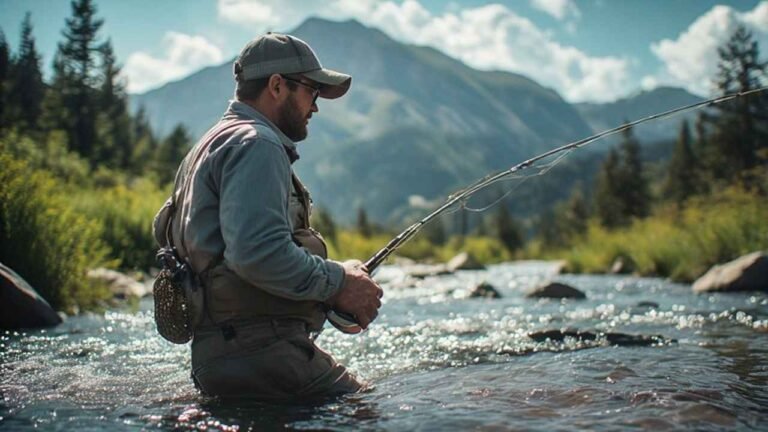

Alabama Fishing Rules 2026: What’s Legal, Restricted, and Newly Updated
Alabama’s fishing rules aren’t built like a simple “open/closed” calendar. They’re a managed fisheries system: a moving set of guardrails designed to protect spawning fish, keep harvest sustainable, and reduce pressure on sensitive waters—while still letting beginners and travelers enjoy consistent action across lakes, rivers, and the coast. In 2026, most opportunities remain broadly “open,” but the real story is in how fish may be kept (size floors, slot windows, rod limits on select waters, and special no-keep species).
A few regulation themes worth knowing before you pack tackle:
- “Creel” and “possession” allowances often match (what you can keep today is usually what you can hold), but tournament exemptions exist when fish are held live for release the same day.
- Some species are effectively no-harvest statewide (example: sturgeon and paddlefish must be returned).
- Alabama uses location-specific rules on certain reservoirs (minimum lengths and slot-style protected ranges).
📍 Where Rules Change (Regional Variation Overview)
Instead of memorizing one giant statewide chart, think in “water families.” Your regulation vibe changes depending on the type of water you’re fishing.
Quick comparison grid: what typically shifts by region (2026)
| Water family | General open periods | Harvest style you’ll run into | Notable rule differences to watch |
|---|---|---|---|
| Inland lakes (natural + small impoundments) | Usually year-round | Mostly daily caps; fewer custom slots | Panfish can be generous; always verify if it’s a state-owned public fishing lake with extra permit rules. |
| Rivers & tributaries | Usually year-round | Species protections + method rules | Some drainages restrict keeping certain bass (ex: shoal bass protections in specific Chattahoochee tributaries). |
| Reservoir systems (Tennessee, Coosa, Alabama River chain) | Year-round, but “special regs” pockets | Minimum lengths, slot windows, rod-count limits in select waters | Example: some reservoirs require a larger minimum length for black bass; some limit rods (Weiss/Neely Henry). |
| Coastal / brackish waters (Mobile Bay, Gulf-access areas) | Year-round, but federal-linked species may open/close | Slot windows are common for iconic species | Shark-chumming restrictions near shore/pier zones; redfish are managed by a slot window. |
🗓️ The 2026 Angling Calendar at a Glance
Not “spring/summer/fall”—think behavior windows and how regulations tend to feel during each.
| Timeline block (vertical) | Active species & where beginners succeed | Typical regulation pattern | Special notes that trip people up |
|---|---|---|---|
| Early-Year Opportunities (Jan → early Mar) | Crappie staging deeper on reservoirs; catfish in rivers; stocked trout where available | Stable daily limits; selective length rules on certain waters | Some waters cap rod count (Weiss/Neely Henry; Sipsey Fork trout stretch). |
| Mid-Year Peak Windows (mid Mar → June) | Black bass surge shallow; bream ramp up; crappie still catchable | This is when “protected ranges” (slot-style limits) matter most on certain lakes | Lake-specific bass minimums/slots exist (Guntersville/Pickwick/Eufaula, etc.). Don’t assume statewide rules. |
| Late-Year Shifts (July → Sept) | Night catfish; schoolers (white bass/stripers) on big reservoirs; coastal species steady | Often fewer closures, but method restrictions matter | On some reservoirs, culling restrictions for saltwater striped bass apply during a defined summer window. |
| Cold-Weather Fisheries (Oct → Dec) | Trout opportunities rebound; crappie regroup; redfish & specks continue on the coast | Return to predictable “keep/limit” frameworks | Alabama’s public waters stocking policy is strict: intentionally moving fish/bait across waters can be illegal. |
🎯 Targeting Popular Game Fish (Behavior + Regulation Combo)
Bass (largemouth, spotted, smallmouth) in Alabama are managed with a mix of statewide creel allowances and waterbody-specific size rules. Anglers focus on reservoirs and river sections where growth rates differ, so the state sometimes uses minimum lengths or protected ranges to keep “middle class” fish in the system longer—those are tomorrow’s trophies. A common mistake is assuming the statewide black bass framework applies everywhere; several headline reservoirs layer stricter size rules on top.
Trout in Alabama are a “special case” fish—limited cool-water habitat means trout opportunities often exist in defined stretches, including areas with extra constraints like rod limits and anti-culling rules (example: Sipsey Fork downstream of Lewis Smith Dam has specific restrictions). These rules exist because trout are more vulnerable to handling stress and because concentrated fishing pressure can erase a stocked cohort fast. The beginner mistake: treating it like bluegill fishing—too many rods, too much handling, and not reading the stretch-specific rules before stepping in.
Walleye and sauger management in Alabama is more about protection and restraint than abundance. Certain waters and tributaries are essentially “hands off” for walleye—if caught, they must be released immediately from those named locations. That kind of rule typically reflects limited populations or special management goals. The classic slip-up is harvesting because “it’s a legal species somewhere,” without realizing the water you’re on is a no-take zone for that fish.
Catfish are a friendly on-ramp species—especially for travelers—because many Alabama waters have no limit for smaller fish, while placing tighter control on very large individuals (and even restricting transport of live trophy-size catfish beyond state boundaries). That structure is a conservation trade: it keeps everyday harvest simple while protecting big breeders and trophy genetics. The common mistake is keeping or transporting a very large live fish without knowing the special rule threshold.
🛑 Waters With Extra Restrictions (Sustainability Checklist)
Use this as a “double-check list” whenever you switch locations:
- ☐ Reservoirs with special black bass minimum lengths (examples include Guntersville and Pickwick having stricter minimums than some other waters).
- ☐ Protected-range (“slot”) bass lakes (example: Harris Reservoir restricts possession within a defined length band).
- ☐ Rod-count restriction waters (Weiss/Neely Henry; Sipsey Fork trout stretch).
- ☐ No-harvest species: sturgeon and paddlefish must be returned immediately. 🦈 (Different vibe, same conservation idea: protected wildlife.)
- ☐ Coastal safety-based shark rules: chumming/bloodbaiting and unsafe shark-targeting near shore/pier zones are prohibited. 🦈
🐠 “Low-Complexity Fisheries” (Quick Wins for Casual Anglers)
A deliberately simple table—meant for vacation brains and first-timers:
| Easy target 🎣 | Regulation simplicity | Common location type |
|---|---|---|
| Bluegill / bream 🐟 | Open most of year; straightforward daily caps | Neighborhood ponds, lake pockets, public bank access |
| Crappie 🐠 | Mostly consistent, but mind minimum length on many public waters | Brush piles on reservoirs, creek arms |
| Channel catfish 🦞 | Generally flexible (especially for smaller fish) | Rivers, reservoirs, bank-fishing parks |
| White bass 🐟 | Simple creel approach | Tailwaters, tributary mouths during runs |
(Always verify the exact waterbody—Alabama regularly uses targeted exceptions.)
🏞️ Access & Property Considerations (Keep It Clean, Keep It Legal)
- Public boat ramps and access areas have their own conduct rules (no blocking ramps, no littering, etc.).
- Bank fishing is widely available—and Alabama even documents bank access locations and requirements.
- Don’t assume a shoreline is public just because the water is—access points matter.
- Crossing timberland or farmland without permission can turn a fishing day into a trespass problem fast.
- Near dams: boating safety rules can require everyone onboard to wear a life jacket within a defined downstream distance.
🎟️ Before You Cast: Legal Checklist (Permit Requirements Simplified)
- Residency status: Alabama resident vs. visitor determines what license you need.
- Age considerations: under-16 exemptions exist for freshwater licensing; seniors may have exemptions.
- Visitor passes: short-duration options exist—great for travelers.
- Endorsements / extra permits: State Public Fishing Lakes typically require a separate permit for anglers 12+ (and extra permits for launching/renting boats).
- Reporting obligations: when agencies ask for angler input, it supports management decisions (surveys and creel work matter).
- Method tags: trotlines must be tagged with owner info, and hook-count caps apply for recreational trotlines.
If you also travel for hunts, it can help to keep a second tab open for regional regulation updates like season-by-season hunting regulation updates (useful context for how states manage wildlife as a whole).
🧭 Planning Tools Anglers Should Know About
- Alabama’s official fishing hub is a strong “start here” portal for programs, events, and management context.
- The state’s “Fish From The Bank” guidance is perfect for travelers without boats and for beginners learning what’s required.
- Stocking and management isn’t guesswork: Alabama explains why they don’t stock certain species in many waters (carrying capacity, natural reproduction, etc.). That’s a useful lens for understanding why limits exist.
- Want a beginner-friendly on-ramp with mentors and provided gear? Alabama’s learn-to-fish program is built exactly for that.
For a high-authority national companion reference on fisheries science and management context, bookmark NOAA Fisheries management and conservation (especially relevant if you’re also fishing coastal or federally influenced species rules).
❓ Practical Regulation Scenarios
You catch a bass that seems to fall inside a protected length band on a special-regulation lake—what now?
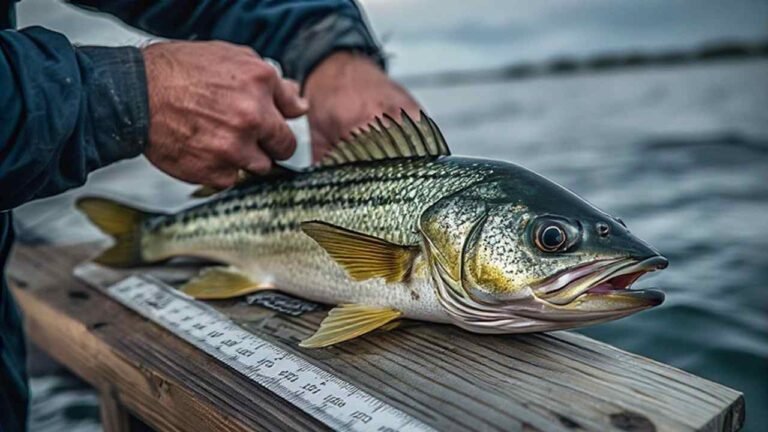
Treat it as “photo-and-release” immediately. Alabama has lakes with protected slot-style rules (example: Harris Reservoir). Measure carefully and don’t “round up.”
You’re fishing the Tennessee River near state lines—whose rules apply?
Reciprocal agreements exist for some border waters, but they’re not universal and may exclude tributaries. Confirm the exact stretch before assuming “either license works.”
You want to keep fish after midnight—does the day reset?
Daily creel concepts can get messy overnight. If you’re night-fishing (catfish is a classic), plan conservatively and avoid stacking “yesterday + today” in one cooler unless you’re sure how possession is being enforced where you are.
Can you transport live baitfish to another lake tomorrow?
Generally, no—Alabama’s rules emphasize preventing spread of nuisance species and disease, and the regs state live baitfish can’t be transported to other bodies of water.
Are multiple rods legal on one shoreline?
In most public waters, yes—but there are named exceptions (Weiss/Neely Henry rod limits; Sipsey Fork trout stretch). Always check your destination.
You accidentally hook a sturgeon or paddlefish—can you keep it if it’s injured?
No—those species are closed to harvest and must be returned with least possible harm.
You’re on a pier and someone suggests chumming for sharks—allowed?
Alabama prohibits chumming/bloodbaiting and unsafe shark-targeting methods within specific near-shore/pier contexts. Don’t do it. 🦈
🗺️ Well-Known Waters Under the 2026 Framework
Lake Guntersville’s reputation is built on bass and big-fish dreams, but regulation tone can be stricter than a random farm pond—especially around bass size requirements. It’s a “read-the-local-rules” kind of lake: high-quality fishery, high angling pressure, high management attention.
Pickwick Reservoir feels like a crossroads water—multi-species, big current influence, and a serious bass culture. Its management approach leans “structured,” with bass minimum length requirements that reflect its role as a major destination fishery rather than a casual weekend puddle.
Weiss Reservoir is famous with crappie anglers, and it’s also a place where method rules (like rod limits) can matter more than you expect. The atmosphere is family-friendly, but it rewards anglers who read the fine print—especially if you’re fishing multiple rods from a stable bank spot. Source
The State Public Fishing Lakes system is its own world: smaller waters, intensively managed, and designed for quality experiences—often with extra permit layers and operating calendars (many open six days a week for part of the year, then shift schedules). The vibe is approachable, but the framework is more “park rules + fishing rules” combined.
✅ 2026 Takeaway Summary
Alabama’s 2026 fishing framework is best understood as a set of conservation zones and harvest frameworks—not just dates on a chart. Most fishing is broadly available across the year, but the details (special reservoir bass rules, rod limits in select places, protected/no-harvest species, coastal safety restrictions) are what keep you legal and keep fisheries healthy. Double-check the exact water you’re fishing, stay cautious with possession allowances, and treat management rules like part of your tackle box—not paperwork. When in doubt, release the fish and confirm before you keep. 🎣🐟🐠🦈